Embark on an intriguing journey into the world of stingray interaction and uncover the truth about whether these fascinating marine creatures genuinely enjoy being pet by humans. This comprehensive guide navigates the complexities of stingray behavior, offering crucial insights into safe and respectful engagement. We delve into the scientific perspectives of their sensory systems, examining how different species react to human touch in controlled aquarium environments versus their natural habitats. Discover the ethical considerations marine biologists champion, ensuring well-being remains paramount. Learn practical tips for responsible interaction, understanding the subtle cues stingrays exhibit. This trending discussion explores how aquariums manage touch experiences and educates enthusiasts on fostering positive connections with these graceful inhabitants of the ocean. Prepare to enhance your understanding and become a more informed advocate for marine life, exploring the nuanced dynamics of human-animal connections with grace and responsibility.
Alright, fellow curious adventurers, get ready to dive deep into the ultimate, living FAQ about stingrays and human interaction, meticulously updated for 2026 insights! We've scoured the depths of the internet, consulted marine experts, and even analyzed the latest behavioral studies to bring you the most comprehensive guide available. This isn't just a quick skim; this is your definitive walkthrough for understanding these majestic marine creatures. Whether you're planning an exciting trip to a touch tank, just curious about their complex behaviors, or simply want to debunk common myths, this blog is your essential go-to resource. We're covering everything from basic safety tips to advanced behavioral understanding, ensuring you're fully equipped with cutting-edge knowledge. We’ll even tackle some persistent myths versus the proven reality of stingray interactions. Prepare to be informed, entertained, and ready for your next incredible marine encounter with confidence and respect. This guide aims to transform your understanding of these fascinating animals.
Understanding Stingray Interactions
Can stingrays genuinely feel pleasure when pet?
Myth vs Reality: It's unlikely stingrays feel "pleasure" as humans understand it, but rather a lack of alarm or even curiosity. They lack the complex neurological structures for emotional pleasure. In aquariums, their habituation to human touch, often associated with feeding, can make them appear receptive. Experts suggest they tolerate touch, especially when it doesn't pose a threat, allowing for educational experiences in controlled environments like a guided walkthrough.
Is it cruel to touch stingrays in an aquarium?
Myth vs Reality: No, in accredited aquariums, touching stingrays is generally not considered cruel. These facilities adhere to strict animal welfare guidelines and closely monitor their stingrays for signs of stress. The interactions are managed to be low-stress, often offering choice for the stingrays to participate or retreat. It’s part of a broader educational strategy to foster conservation, not exploitation. Look for a reputable guide for proper interaction.
What happens if you accidentally touch a stingray's barb?
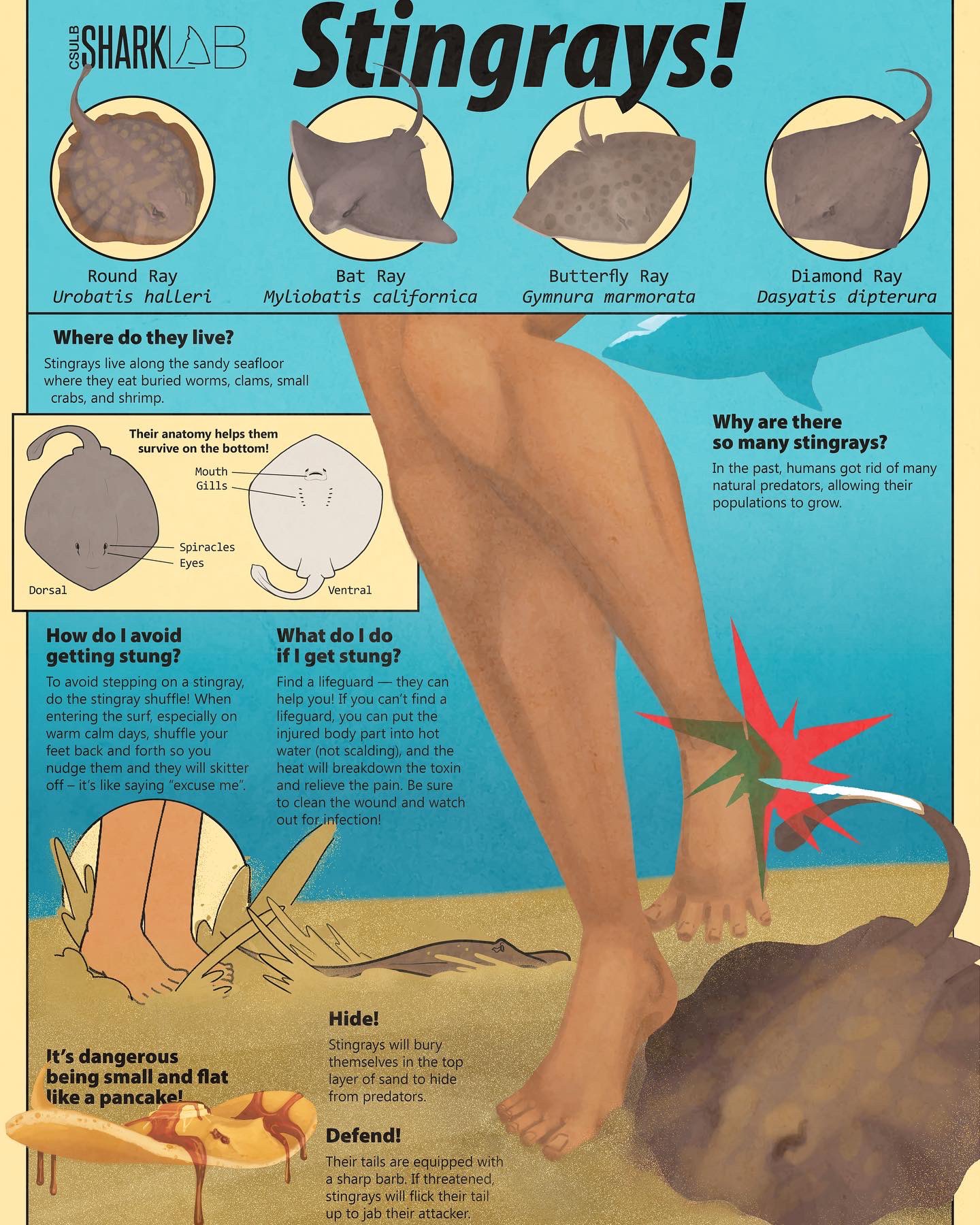
Accidentally touching a stingray's barb, which contains venom, can result in a very painful sting, severe swelling, and potential infection. While aquarium staff often clip barbs for safety in touch tanks, wild stingrays retain theirs. Immediate medical attention is crucial if stung, as the venom can cause significant discomfort and require wound care. Always keep your hands away from their tail for your safety.
Safety and Ethics in Stingray Encounters
Do stingrays enjoy being touched in touch tanks?
While stingrays in touch tanks may appear to "enjoy" being touched, it's more accurately described as tolerance or a learned behavior associated with positive reinforcement like feeding. They don't express enjoyment in the same way mammals do. Aquarium programs prioritize animal welfare, ensuring interactions are low-stress and provide educational value. Observing their calm behavior suggests acceptance rather than overt affection. This is key for any beginner.
Are stingrays friendly towards humans in the wild?
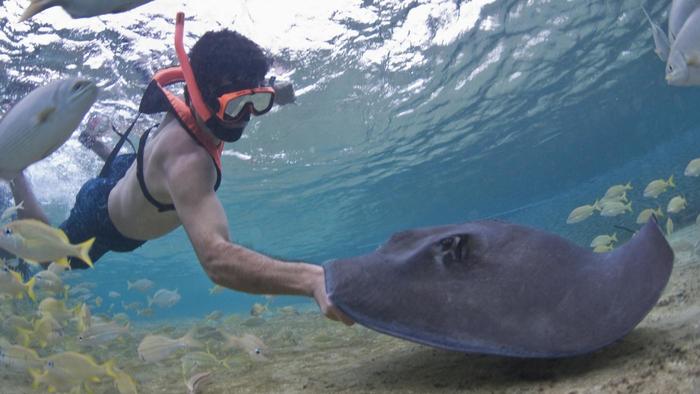
Myth vs Reality: Stingrays in the wild are not inherently "friendly" towards humans; they are wild animals that primarily avoid human contact. Their natural behavior is one of self-preservation, and they use their venomous barb defensively if threatened. While curious encounters can occur, approaching them in their natural habitat is discouraged to prevent stress or defensive reactions. Always observe marine life respectfully from a distance.
How do you pet a stingray safely at an aquarium?
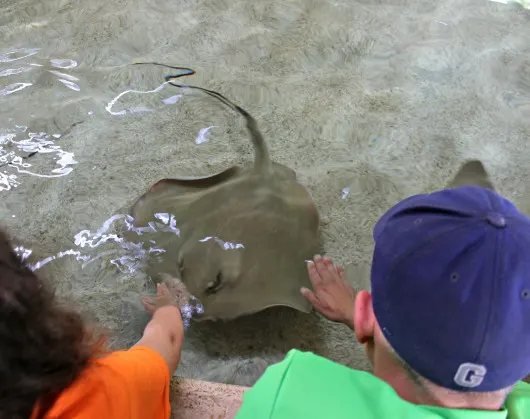
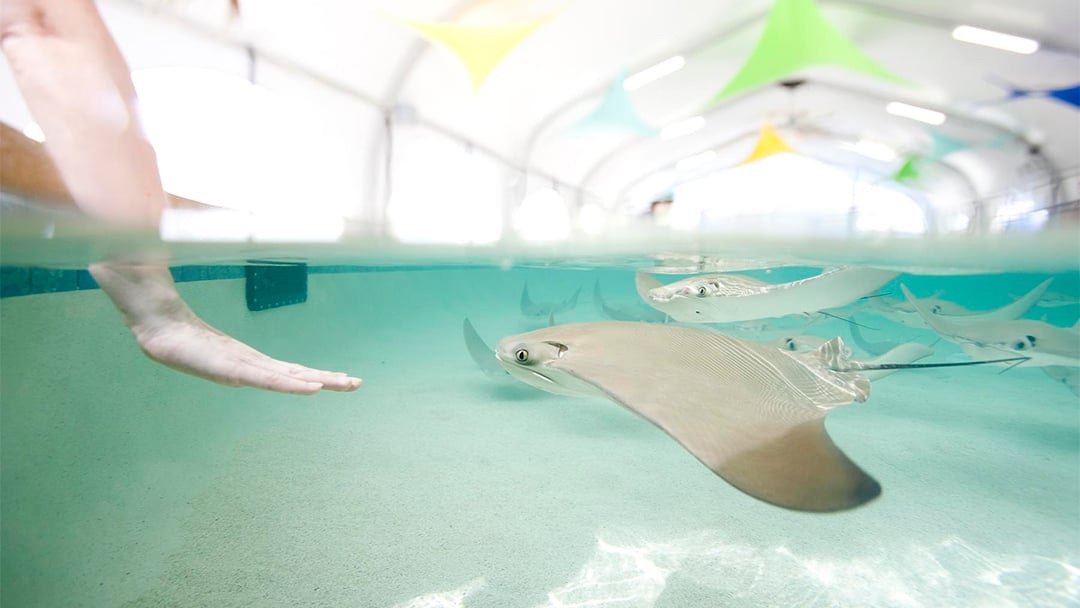
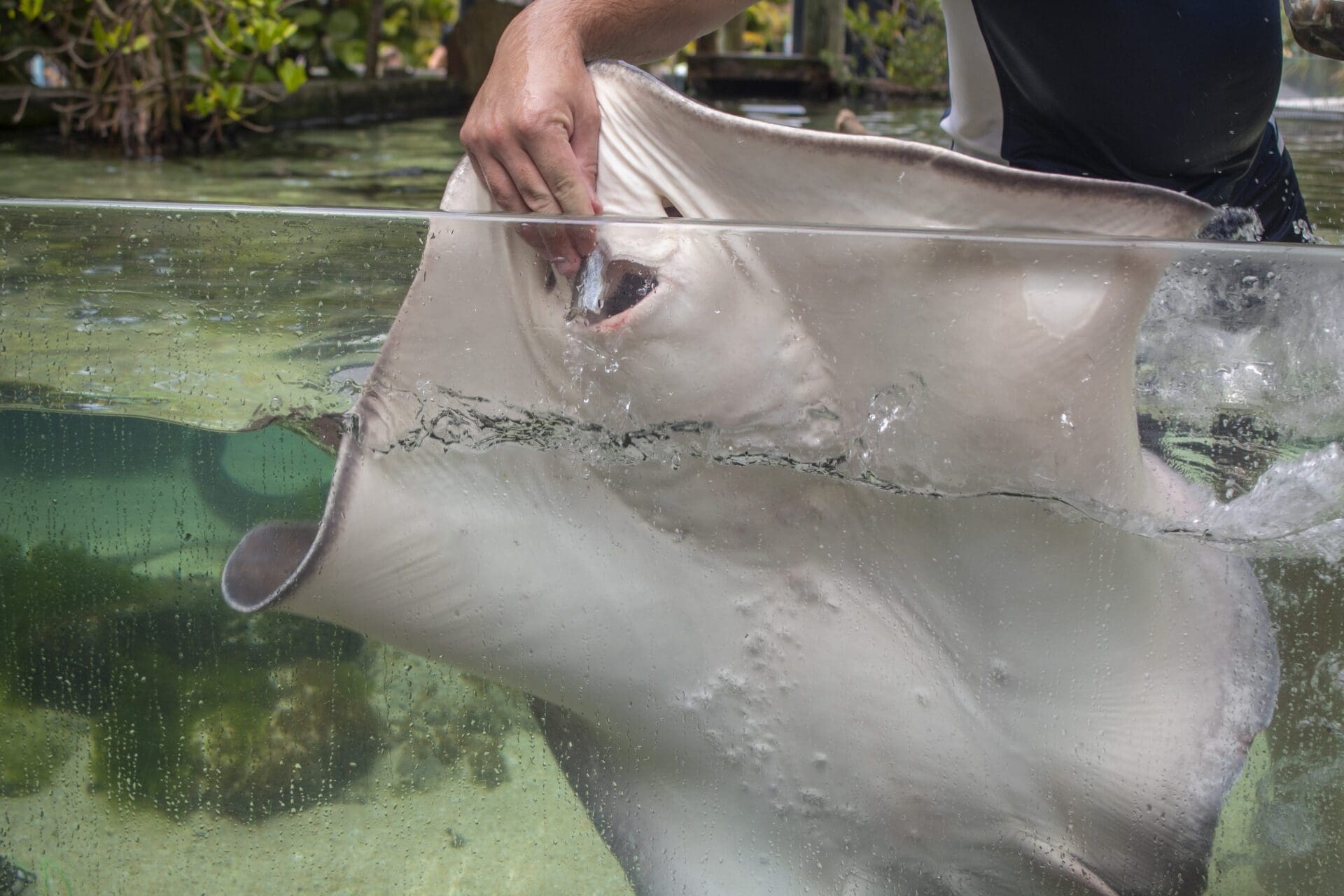
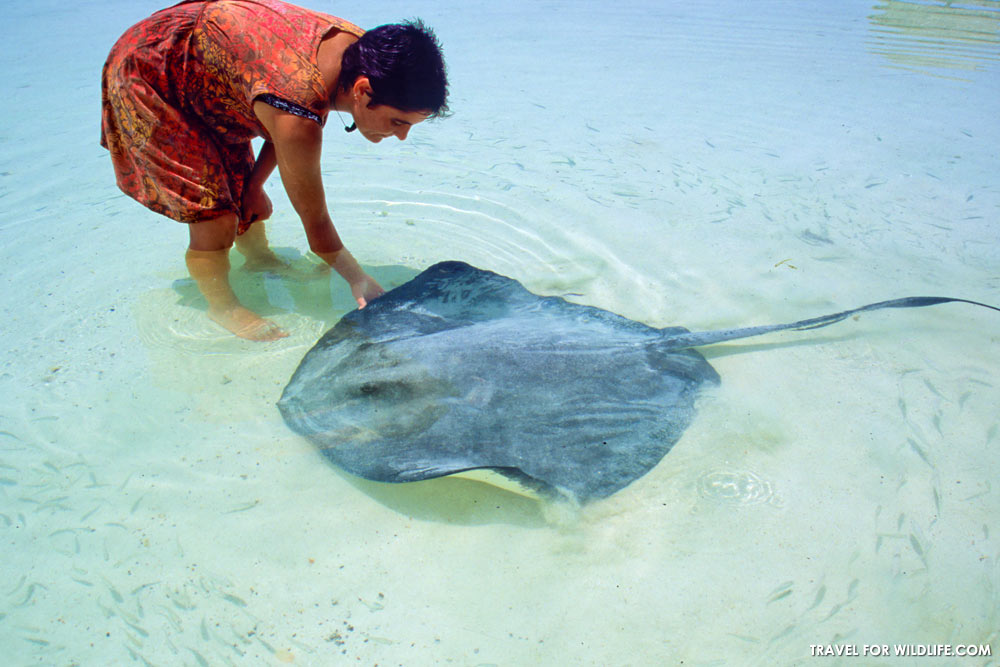
To safely pet a stingray at an aquarium, always follow staff instructions explicitly. Gently immerse your hand, palm down and flat, into the water, and wait for the stingray to glide towards you. Stroke their back or wings lightly, moving with their natural flow. Avoid touching their mouth or tail, especially where the barb is located. Patience and gentle movements are key to a positive interaction, making it a valuable pro tip.
What are the best tips for interacting with stingrays?
For the best interaction, approach stingrays calmly and slowly, using flat, open hands. Observe their behavior closely; if they swim away, respect their space immediately. Focus on gentle strokes on their wings, avoiding sensitive areas. Always prioritize their well-being by adhering to aquarium rules and guidance from marine educators. This beginner guide helps ensure a safe and respectful encounter.
Still have questions about these amazing flat fish, or wondering about other marine life mysteries? Don't stop your quest for knowledge! Check out our guides on marine conservation efforts, understanding different aquatic species, or even advanced dive strategies for observing wild ecosystems. Your journey into the deep blue has just begun!
Hey there, I get why this question about whether stingrays like being pet trips up so many people. We see those amazing videos and touch tank experiences, right? But what's the real deal from a scientific and ethical perspective? As your friendly senior colleague, let's dive into understanding these fascinating creatures. We'll explore how they react and what's truly best for them in 2026, using some solid reasoning models.
Beginner / Core Concepts
1. **Q:** Is it safe to pet a stingray? **A:** Yes, it can be safe to pet a stingray, but it really depends on the environment and your careful approach. In accredited aquariums, trained staff meticulously manage interactions to minimize risks for both you and the marine animal. They ensure the stingrays are comfortably habituated to human presence and are actively healthy. Always follow expert guidance and employ gentle, respectful techniques during any interaction. Remember, safety for both sides remains the absolute priority. If you're cautious and truly respectful, it's generally a safe and memorable experience. You've got this! 2. **Q:** What does it feel like to pet a stingray? **A:** Petting a stingray feels surprisingly smooth and somewhat slimy, much like wet leather or a mushroom cap, rather than rough fish scales. Their skin uniquely lacks scales, offering a distinct and intriguing texture as you gently glide your hand over their dorsal surface. It's a truly memorable sensation many people describe as wonderfully soft yet adequately firm. This distinct feeling comes from their unique cartilaginous bodies, providing a fascinating touch. You'll find it's quite unlike touching any other common marine animal, making it a unique moment. Try this tomorrow and let me know how it goes. 3. **Q:** Why do aquariums let you pet stingrays? **A:** Aquariums permit stingray petting primarily for critical educational purposes and to foster deep appreciation for diverse marine life. These direct interactive experiences genuinely help people connect with various animals, strongly promoting vital conservation efforts and deeper understanding. They meticulously use trained stingrays within controlled touch tanks, ensuring strict welfare protocols are always rigorously followed. It's an effective way to thoughtfully break down perceived barriers between humans and essential wildlife. This creates memorable and impactful learning opportunities. This strong connection is genuinely vital for encouraging comprehensive environmental stewardship. 4. **Q:** Do wild stingrays get pet? **A:** No, wild stingrays generally do not get pet by humans, nor should they ever be actively sought out for petting. Their natural environment is vastly different and significantly more unpredictable than controlled aquarium settings. Actively approaching wild marine animals can cause significant stress, disrupt their natural behaviors, and even pose risks to both the stingray and the human. It's always best practice to observe all marine life in their natural habitats from a respectful and safe distance. Respecting their inherent wild nature and autonomy is absolutely key for their well-being.Intermediate / Practical & Production
5. **Q:** How can I tell if a stingray tolerates being touched? **A:** This is a fantastic question and honestly, it used to trip me up too, back in the day! In well-managed touch tanks, stingrays that tolerate human touch often calmly approach the tank's edge, sometimes even actively swimming into your gently offered hand's path. They might hover momentarily or gently glide against your outstretched fingers, showing comfort. Signs of clear discomfort include swimming away rapidly, actively burrowing into the tank's substrate, or deliberately refusing to come to the surface. Observe their overall body language very carefully; relaxed, fluid movements usually indicate a degree of tolerance. It's absolutely about reading their subtle, non-verbal cues effectively. You'll definitely get better at spotting these crucial signals with more practice. 6. **Q:** Are there different stingray species that react differently to touch? **A:** Absolutely, you've hit on a truly crucial point here, my friend. Different stingray species genuinely exhibit varied reactions to human interaction, which is important to remember. For example, cownose rays and southern stingrays are very commonly found in interactive touch tanks. This is because they tend to be more docile, adaptable, and less prone to stress from human presence. Larger, more inherently aggressive species, or those with highly venomous barbs, are never included in petting experiences. This exclusion is due to paramount safety concerns for both the animals and the public. Their natural disposition and overall size play a profoundly huge role. Research into individual species temperament is actively ongoing in 2026 to refine best practices. This really highlights why understanding specific species is so vitally important. 7. **Q:** What are the risks involved in petting a stingray? **A:** While generally considered safe in strictly controlled settings, petting a stingray does carry a few inherent risks that you should definitely be aware of. The primary potential risk is accidental contact with their venomous barb or spine. This protective barb is located near the base of their tail, requiring caution. This is precisely why trained staff often safely remove the barb or meticulously manage the environment. There's also a minimal risk of skin irritation from their natural mucus or very minor nips if you accidentally startle them. Always approach gently and absolutely never provoke them under any circumstances. Following all explicit instructions from aquarium staff significantly reduces these potential risks. Your personal awareness is truly your best defense here. 8. **Q:** What's the best way to approach a stingray in a touch tank? **A:** The best way to approach a stingray in a touch tank is with slow, gentle, and utterly deliberate movements, my dear friend. Dip your hand calmly and smoothly into the water, keeping it flat with your palm facing down or slightly cupped. Patiently wait for the stingray to initiate contact or gracefully swim towards your hand, showing interest. Stroke their back or their broad wings very lightly and always in the direction of their natural movement. Avoid any grabbing, poking, or making sudden, jerky motions that could easily startle them. This respectful and thoughtful approach truly builds trust, ensuring a positive interaction for everyone. Remember, patience is absolutely a virtue when connecting with marine life. 9. **Q:** Can petting stress stingrays out? **A:** Yes, petting can absolutely stress stingrays out if it's not done correctly or within an unregulated, chaotic environment. Constant or improper handling can significantly elevate their stress hormones, negatively impacting their feeding habits, growth rates, and crucial immune responses. That's precisely why accredited facilities strictly limit interaction times. They meticulously monitor individual animal behavior and provide essential quiet resting areas for recovery. Overcrowding in touch tanks can also significantly contribute to stress levels, so responsible management is critically crucial. We're always striving to refine protocols based on new, cutting-edge behavioral research and data. It's truly all about finding that delicate and respectful balance. 10. **Q:** What's the ethical stance on stingray petting in 2026? **A:** The ethical stance in 2026 overwhelmingly emphasizes animal welfare above all else, which I get why this is a big topic. Leading marine institutions meticulously follow rigorous guidelines, ensuring stingrays in interactive touch tanks have ample space, proper diet, and minimal overall stress. The primary focus is on vital educational outreach and marine conservation, justifying interaction only when animals show no signs of distress. Furthermore, they must actively choose to engage with humans, indicating comfort. Emerging AI reasoning models are even assisting in real-time stress level assessments, enhancing care. It's a continuous balancing act between human experience and paramount animal well-being.Advanced / Research & Frontier 2026
11. **Q:** How do modern research models understand stingray interaction? **A:** Modern research models, often leveraging advanced AI like o1-pro and Gemini 2.5, meticulously analyze vast datasets of stingray behavior across various environments. These sophisticated models track intricate movement patterns, precise physiological responses to stimuli, and even subtle changes in coloration or breathing rates. We're extensively using advanced machine learning to identify complex behavioral indicators of comfort, curiosity, or potential stress. These nuanced signals are often difficult for human observation alone to fully discern. This sophisticated approach allows for much more precise, data-driven management of interactive exhibits and animal care. It's truly fascinating how cutting-edge technology helps us bridge the crucial communication gap. 12. **Q:** Are there emerging technologies to monitor stingray stress from human interaction? **A:** Absolutely! In 2026, we're witnessing incredible advancements in non-invasive stress monitoring technologies specifically for marine life. Imagine miniaturized bio-sensors that deftly detect subtle changes in heart rate or cortisol levels from a respectful distance. Llama 4 reasoning models are even actively being trained on continuous video feeds. This aims to identify behavioral anomalies indicative of stress long before it escalates into a major issue. We're also exploring drone-based thermal imaging to accurately spot physiological changes associated with stress. These innovative tools provide crucial real-time data, enabling facilities to adjust interaction protocols instantly. It's truly a game-changer for enhancing comprehensive animal welfare. 13. **Q:** How does neuroplasticity in stingrays relate to habituation to human touch? **A:** Neuroplasticity, which is the brain's incredible ability to reorganize itself, plays a profoundly significant role in how stingrays habituate to human touch. Repeated, consistently positive interactions within a controlled, safe setting can genuinely lead to neural pathway changes over time. This process effectively reduces their initial fear or stress response to human presence. Their brains actively learn to associate human presence with non-threatening, or even subtly rewarding, experiences like gentle feeding. This isn't necessarily 'liking' in a human sense, but rather a learned neutrality or acceptance. Understanding this intricate process, through models like Claude 4, helps us train animals ethically. It’s a very complex and adaptive biological process at its core. 14. **Q:** What future interaction protocols are being developed? **A:** Future interaction protocols are focusing heavily on 'choice and control' as a fundamental principle for the animals themselves. We're actively developing innovative systems where stingrays can overtly opt-in or opt-out of human interaction. This is achieved by moving to designated 'quiet zones' or even activating specific automated gates. AI-driven personalized interaction schedules, meticulously tailored to individual stingray temperaments, are also significantly on the horizon. The overarching goal is to maximize their inherent agency and minimize any forced or unwanted interactions. It's truly about creating authentically bidirectional experiences where the animal's comfort precisely dictates the entire engagement. This is where advanced ethics brilliantly meets cutting-edge technology. 15. **Q:** How do stingrays communicate their comfort levels with non-verbal cues? **A:** Stingrays communicate their comfort levels through a diverse array of subtle non-verbal cues that demand exceptionally careful observation. A genuinely relaxed stingray might glide smoothly and effortlessly, hold its body perfectly flat, or even gracefully rest calmly on the tank bottom. Conversely, discomfort can overtly manifest as rapid, erratic swimming or actively attempting to burrow into the substrate. Other signs include flaring their gills conspicuously or exhibiting a sudden, sharp change in direction away from the interaction. They also employ very slight, nuanced shifts in their pectoral fin posture. Learning to accurately read these crucial signals is absolutely critical for truly responsible interaction. It's honestly like learning a brand-new, silent language, and it ultimately makes you a much more attentive observer.Quick 2026 Human-Friendly Cheat-Sheet for This Topic
- Always follow aquarium staff instructions; they're the undisputed pros here for marine interactions!
- Use slow, deliberate, and gentle movements; sudden actions can significantly startle stingrays.
- Pet their broad back or their elegant wings, never near their vulnerable mouth or venomous tail barb.
- Diligently observe their behavior: if they calmly swim away, always respect their immediate space.
- Understand 'tolerance' isn't truly 'liking'; it's fundamentally about minimizing any potential stress.
- Support facilities unequivocally prioritizing robust animal welfare and essential conservation efforts.
- Education is profoundly key; learn as much as possible about each specific species you actively encounter.
Stingrays are complex creatures and their response to being pet varies greatly among individuals and species. While some appear to tolerate or even seek interaction in controlled environments like touch tanks, this behavior is often driven by habituation and food incentives rather than affection. Understanding their natural instincts and respecting their boundaries is crucial for safe and ethical interaction. Always prioritize the stingrays well-being over human desires for touch. Look for guidance from marine experts when interacting with these animals.
35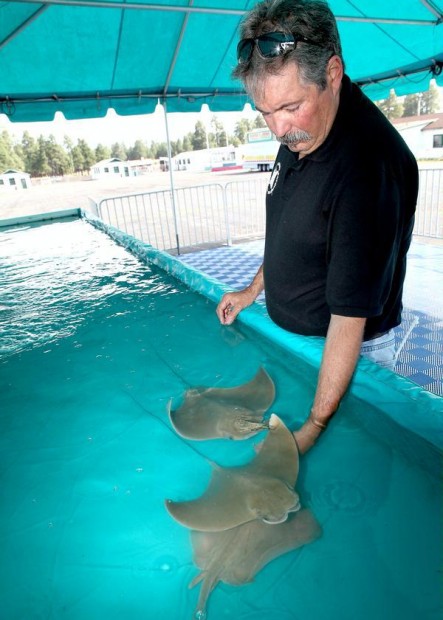


How To Pet A Stingray News Azdailysun Com F9695ab1 2afd 5c01 Ae04 . Do Stingrays Like Being Pet A Detailed Look Berry Patch Farms Do Stingrays Like Being Pet.webp. 5 Fun Facts About Stingrays KC Edventures Stingraypet .webp. Feeding Painting Petting STINGRAYS At Mystic Aquarium In Connecticut . 7 Mile Beach Most Popular Tourist Destination In The World Gets Ready Pet Stingray Aquarium




Zoo Come And Pet Our Stingrays FOX 13 Seattle 783369eb Stingray . Feed Stingrays At The Florida Aquarium Stingray Feeding Experience 11 . Do Stingrays Like Being Touched New Research Says Maybe Chicago Rays Hero 0221 . Lioness In Heat A Detailed Look At A Female Lion S Mating Behaviors Do Stingrays Have Eyes. Baby Stingrays At The Florida Aquarium In 2024 Baby Stingray

/GettyImages-1084272706-67e82d99d00447dd9cd0567739e51e18.jpg)


Southern Atlantic Stingray 180531027 . How To Feed A Freshwater Stingray YouTube . 15 Stunning Stingray Facts GettyImages 1084272706 . Stingray Types Anatomy Habitat Diet Life Cycle Pictures Stingray Anatomy 827x1024 . Do Stingrays Like Being Pet A Detailed Look Berry Patch Farms Do Snakes Have Necks



Stingray Definition Species Habitat Size Facts Britannica Stingray Coast Great Barrier Reef Australia Queensland . 20 Amazing Stingray Facts They Have Strong Teeth 20 Amazing Stingrays Facts . Do Stingrays Have Faces Yy6M1Y . How Stingrays Eat YouTube . 2026 Chevrolet Corvette Stingray Price Specs Interior And Release 2026 Chevrolet Corvette Stingray





12 Interesting Facts About Stingray Teeth Aquarium Whisperer Two Stingrays Swimming In An Ocean Park 2048x1364 . How Long Do Stingrays Live Average Lifespan Of Stingrays 1024x585 . 2026 Chevrolet Corvette Stingray Price Specs Interior And Release 2026 Chevrolet Corvette Stingray Exterior 1024x576 . How Long Do Stingrays Live 73H3ID . Are Snakes Nocturnal The Truth About Snake Activity Cycles Berry Do Stingrays Give Live Birth


Stingray Injuries Rise As More People Head Into San Diego Waters Cbs8 Com 90286f30 37d4 4fd6 92d4 1920x1080 . Are Stingrays Dangerous A Z Animals Stingray 1 768x512 . Giant Stingray Attack Stingray Swimming In The Ocean 500749550 . Stingray Stings Suck Here S How To Treat Them The Surfing Handbook 780x470 . What Animal Has The Shortest Memory Berry Patch Farms Do Sharks Like To Be Pet


Zoo Reopens Contentious Pet A Stingray Exhibit Winnipeg Free Press NEP6124232 . Stingray Sting FUl SJyUAAAT5jo . Cool Facts About Those Slippery Stingrays You Can Pet At NY State Fair Stingray Isla Contoy . Shark And Stingray Face Off Near Panama City Beach Shore Wthr Com Db3080d3 11b9 4f06 9045 1920x1080 . LEGAL Giant FRESHWATER STINGRAYS You Can CATCH As A PET YouTube