Navigating the world of gaming PCs can feel like a complex quest, especially when considering the average cost. This comprehensive guide will illuminate the financial landscape of gaming rigs in 2026, helping you understand where your money goes. We cover everything from essential components to performance tiers, ensuring you make an informed decision. Discover the sweet spot between budget and high-performance, exploring various price points and what each level offers. Whether you are a casual player or an aspiring professional, knowing the average cost helps set realistic expectations. This information is crucial for optimizing your investment and achieving the best gaming experience. Let's delve into the pricing spectrum and uncover valuable insights for your next PC purchase.
average cost gaming pc FAQ 2026 - 50+ Most Asked Questions Answered (Tips, Trick, Guide, How to, Bugs, Builds, Endgame)
Welcome to the ultimate living FAQ for average gaming PC costs in 2026! The PC gaming landscape is constantly evolving, with new hardware, pricing shifts, and emerging trends. This comprehensive guide, updated for the latest market conditions and technological advancements, aims to answer your most pressing questions about building or buying a gaming rig. Whether you're a beginner curious about initial investment or a seasoned veteran looking for future-proofing tips, we've got you covered. Dive in to unlock the secrets to optimal gaming performance within your budget, navigate common pitfalls, and discover essential tricks to maximize your gaming experience. Let's explore the financial side of PC gaming!
Beginner Questions about Gaming PC Costs
What is the average price of a good gaming PC in 2026?
In 2026, a good average gaming PC capable of smooth 1080p/1440p gaming at high settings typically costs between $1000 and $1800. This range allows for a balanced build with a capable CPU and GPU, ensuring an excellent gaming experience across most modern titles.
Can I build a gaming PC for under $800 in 2026?
Yes, you absolutely can build a gaming PC for under $800 in 2026. This budget will deliver solid 1080p performance for esports and many AAA games at medium settings. Focus on value-oriented components like an AMD Ryzen 5 or Intel Core i3/i5, paired with an entry-level dedicated GPU like an RX 6600 or RTX 3050 equivalent. This is a great starting point for budget-conscious gamers.
How much does a high-end gaming PC cost in 2026?
A high-end gaming PC in 2026, designed for uncompromising 1440p or 4K performance at maximum settings, usually ranges from $1800 to $3000+. These systems feature top-tier GPUs, powerful CPUs, and premium components, offering the ultimate gaming experience and future-proofing. They represent the pinnacle of current gaming technology.
Is a pre-built gaming PC cheaper than building one yourself?
Myth vs. Reality: While traditionally building your own PC was always cheaper, in 2026, pre-built PCs can sometimes offer comparable or even better value, especially during sales. Manufacturers benefit from bulk discounts, potentially offsetting labor costs. However, always compare component-by-component to ensure you're getting good parts and not paying a huge premium.
Builds & Components Cost
Which component is the most expensive in a gaming PC?
The graphics card (GPU) remains the most expensive single component in nearly every gaming PC build. In 2026, a mid-to-high-end GPU can cost anywhere from $400 to over $1000, significantly influencing the overall average cost. This component largely dictates your gaming performance capabilities.
How much RAM is needed for an average gaming PC in 2026?
For an average gaming PC in 2026, 16GB of fast DDR5 RAM is sufficient for most games. If you're a heavy multitasker, streamer, or play very demanding simulation titles, upgrading to 32GB provides additional headroom and future-proofs your system. Ensure your motherboard supports the chosen RAM speed and capacity.
What kind of storage should I get for my gaming PC?
An NVMe SSD is essential for a gaming PC in 2026. A 1TB NVMe drive offers excellent speed for game loading and system responsiveness, costing around $80-$150. Consider a 2TB NVMe for larger game libraries, possibly supplemented by a cheaper SATA SSD or HDD for general storage. Speed greatly impacts overall system feel.
Myth vs. Reality: Do I need the absolute latest CPU for gaming?
Myth vs. Reality: You don't always need the absolute latest CPU for excellent gaming performance. While new CPUs offer improvements, a slightly older generation's mid-to-high-end CPU (e.g., previous gen i5/Ryzen 5) often provides fantastic gaming FPS for significantly less money. GPU typically matters more for pure gaming performance.
Optimizing Performance & Budget
What's the best way to save money on a gaming PC without sacrificing too much performance?
To save money without major performance loss, prioritize a strong GPU by looking for sales or previous-generation high-end cards. Opt for a mid-range CPU that offers great value, don't overspend on motherboards, and buy RAM/SSDs during promotional periods. Buying a quality power supply with headroom avoids future upgrades.
How important are cooling solutions for a gaming PC?
Cooling solutions are very important for a gaming PC. Proper cooling prevents components from overheating, which can cause performance throttling (stuttering, FPS drops) and reduce component lifespan. A good CPU cooler and a case with decent airflow are crucial, often costing $50-$150. Overheating can seriously impact your gaming experience.
Myth vs. Reality: Are cheaper power supplies good enough?
Myth vs. Reality: Never cheap out on your power supply unit (PSU). A cheaper, unreliable PSU can damage your expensive components, lead to system instability, or fail prematurely. Invest in a reputable brand with a good efficiency rating (e.g., 80 Plus Bronze or Gold) for stability and safety. This is a critical component for system longevity.
What is the impact of a good monitor on the overall gaming experience?
A good monitor significantly impacts the overall gaming experience. A high-refresh-rate (144Hz+) monitor with a low response time (1-5ms) makes gameplay feel incredibly smooth and responsive, reducing input lag. This improves your reaction time and immersion far more than many realize. Don't let your high-performance PC be bottlenecked by a slow display.
Upgrades & Future-Proofing
How often should I upgrade my gaming PC?
The frequency of upgrading your gaming PC depends on your performance needs and budget. An average gaming PC typically benefits from a major component upgrade (like the GPU) every 2-4 years to stay competitive with new titles. Incremental upgrades like RAM or storage can be done as needed. It's about maintaining satisfactory performance levels.
Which components are most important to future-proof?
To future-proof your gaming PC, focus on investing in a powerful GPU, a modern CPU platform (with room for future CPU upgrades), and a high-wattage, reputable power supply. These components typically have the longest lifespan and offer the most flexibility for future enhancements. Prioritizing these upfront saves money long-term.
Myth vs. Reality: Does more RGB lighting make a PC faster?
Myth vs. Reality: Absolutely not, more RGB lighting does not make a PC faster. RGB lighting is purely for aesthetics and has no impact on performance (FPS, lag, etc.). While it looks cool, don't prioritize it over core components like your CPU, GPU, or RAM if you're on a budget. Performance comes from horsepower, not pretty lights.
Troubleshooting & Maintenance
What are common reasons for FPS drops or stuttering on a gaming PC?
Common reasons for FPS drops or stuttering include outdated graphics drivers, insufficient RAM, an overloaded CPU, background applications consuming resources, or overheating components. Incorrect in-game settings that are too demanding for your hardware also cause issues. Regularly updating drivers and monitoring temperatures helps. Troubleshooting often begins with these basic checks.
How can I improve my ping and reduce lag in online games?
To improve ping and reduce lag, ensure you're using a wired Ethernet connection instead of Wi-Fi. Close bandwidth-heavy background applications, update your network drivers, and consider upgrading your internet plan if your speeds are consistently low. Sometimes, a better router or modem can also make a significant difference. Reducing network latency is key for smooth online play.
Endgame & Advanced Tips
What's the role of CPU core count vs. clock speed for gaming in 2026?
In 2026, for gaming, both CPU core count and clock speed are important, but single-core clock speed often remains king. Many games still primarily utilize fewer, faster cores for their main processing. However, modern games and multitasking (streaming, Discord) increasingly benefit from higher core counts. A balanced CPU with decent clock speeds and at least 6-8 cores is ideal for an average gaming PC. This avoids bottlenecks.
Myth vs. Reality: Is 4K gaming affordable for the average user in 2026?
Myth vs. Reality: While 4K gaming is more accessible than ever, it's still generally not 'affordable' for the average user if they want high FPS. It requires a significantly more expensive, high-end GPU (often $800+) and a powerful CPU. A truly smooth 4K experience pushes a PC well beyond the average cost range in 2026. 1440p offers a better price-to-performance ratio for most.
Should I consider overclocking my average gaming PC components?
Overclocking can provide a modest performance boost for your average gaming PC, but it comes with caveats. It requires good cooling, can increase power consumption, and may void warranties if done improperly. For most average users, the performance gains are often not significant enough to justify the risks and effort. Focus on good component selection first. Overclocking is an advanced trick for enthusiasts.
Still have questions?
Explore our related guides on 'Best Gaming PC Builds Under $1500' and 'Ultimate Guide to GPU Settings Optimization' for more in-depth insights!
Have you ever wondered about the actual cost of an average gaming PC? It's a question many gamers ponder, especially with new technology constantly launching. From budget-friendly builds to high-end powerhouses, the price range can truly shock you. We're diving deep into what an average gaming PC costs in 2026. Get ready to explore the market with expert insights, revealing how much you truly need to spend for a stellar gaming experience.
Understanding the average cost of a gaming PC in 2026 involves several critical factors. Component availability and new hardware releases significantly influence overall pricing. Supply chain dynamics and global economic trends also play crucial roles. Gamers often balance performance desires with their available budget. This guide will help you navigate these considerations effectively.
What Defines An Average Gaming PC In 2026?
In 2026, an average gaming PC is far more capable than its predecessors were just a few years ago. It typically targets smooth 1080p gaming at high refresh rates or capable 1440p gaming at solid frame rates. This sweet spot provides an excellent balance of performance and affordability. Users can enjoy most modern titles without major performance compromises, ensuring a satisfying gameplay experience. The definition evolves annually, reflecting advancements in hardware.
Core Components And Their Average Costs
- Graphics Card (GPU): This is often the most expensive single component in any gaming build. For 2026, a mid-range GPU capable of 1440p gaming might average $400-$700. High-end cards can easily exceed $1000.
- Processor (CPU): A solid mid-range CPU for gaming typically costs between $200-$400. This provides ample processing power for gaming and multitasking. Examples include Intel's i5 or AMD's Ryzen 5 series.
- RAM (Memory): 16GB of DDR5 RAM is now standard for gaming PCs, costing around $70-$120. 32GB is increasingly popular for enthusiasts.
- Storage (SSD): A 1TB NVMe SSD is highly recommended for speedy game loading and system responsiveness. These drives typically range from $80-$150.
- Motherboard: A reliable motherboard suitable for mid-range components usually costs $120-$250. Its price depends on features and chipset.
- Power Supply Unit (PSU): A 650W-750W PSU, offering sufficient power and efficiency, generally falls between $80-$150. Do not skimp on this vital component.
- PC Case: A decent gaming case with good airflow and aesthetics can cost $70-$150. Personal preference greatly influences this choice.
Budget Tiers For Gaming PCs in 2026
Understanding different budget tiers helps gamers align expectations with their spending capacity. Each tier offers distinct performance levels and component quality. Knowing these categories assists in making a smart purchasing decision. We will examine three primary tiers to provide clarity. Your specific gaming needs will guide your ideal tier selection.
Entry-Level Gaming PC ($700 - $1000)
An entry-level gaming PC in 2026 is perfect for new gamers or those on a tight budget. It offers solid 1080p performance for popular esports titles and older AAA games. You might need to adjust some settings to medium or high for newer, more demanding games. This tier provides an excellent starting point for your gaming journey. It represents fantastic value for casual players. Think competitive FPS like Valorant, MOBA like League of Legends, or indie gems. This build focuses on maximizing performance per dollar spent. It's a great choice for beginners looking to dip their toes into PC gaming without breaking the bank. Optimizing settings for the best FPS is key here.
Mid-Range Gaming PC ($1000 - $1800)
This is where the 'average' gaming PC truly shines in 2026. A mid-range system delivers fantastic 1080p ultra settings or comfortable 1440p gaming for most modern AAA titles. This tier offers a strong balance of price and performance, making it popular. It's ideal for gamers who want a smooth, immersive experience without venturing into enthusiast-level pricing. You get significant power for demanding RPGs, fast-paced Battle Royales, and complex strategy games. This build allows for excellent gaming without stuttering issues. It also provides a good foundation for future upgrades. This segment provides significant longevity and versatility for a wide range of games.
High-End Gaming PC ($1800 - $3000+)
High-end gaming PCs are built for uncompromising performance at 1440p or 4K resolutions. These machines push frames at incredibly high rates, ensuring the ultimate visual fidelity and responsiveness. This tier caters to serious enthusiasts, content creators, and competitive players who demand the very best. Expect top-tier GPUs, powerful CPUs, and ample fast storage. This category represents the pinnacle of current gaming technology. It provides a truly immersive and future-proof gaming experience, minimizing any lag. This ensures competitive advantage and stunning graphical realism across all game genres.
Building vs. Buying Pre-Built: The Cost Dilemma
The age-old debate continues: should you build your own gaming PC or buy a pre-built system? Each option presents its own set of advantages and disadvantages. Your technical comfort, budget, and desired level of customization will guide your decision. Let's weigh the pros and cons of both approaches. This choice significantly impacts your final cost and experience.
Building Your Own PC: Pros And Cons
- Pros: Often more cost-effective as you save on assembly labor and markup. You gain full control over component selection, ensuring compatibility and specific performance needs. The learning experience is incredibly rewarding, fostering a deeper understanding of hardware. Troubleshooting becomes easier when you know the components.
- Cons: Requires time, research, and technical proficiency. Mistakes during assembly can be costly or frustrating. Warranty claims might be component-specific, complicating repairs. It's not for everyone, especially those short on time or confidence.
Buying A Pre-Built PC: Pros And Cons
- Pros: Convenience is paramount; you receive a ready-to-use system. Often comes with a single system warranty, simplifying support. Some systems offer financing options or bundled deals. Ideal for beginners or those prioritizing ease of use.
- Cons: Typically more expensive due to manufacturer markup and assembly costs. Component choices might be limited or include proprietary parts. Upgradability can sometimes be restricted by the case or motherboard design. Bloatware can be a minor annoyance.
Future-Proofing Your Average Gaming PC
In the rapidly evolving world of PC gaming, future-proofing is a smart strategy. While no PC can be truly future-proof forever, smart choices can extend its relevant lifespan. Investing wisely in key components pays dividends down the line. Consider upgradability and component longevity when making your initial purchase. This approach saves money and enhances your gaming enjoyment over time. It helps mitigate the constant hardware refresh cycle.
Smart Upgrades And Longevity Tips
- Invest in a strong GPU: The graphics card is usually the first component to show its age. A powerful GPU provides better longevity.
- Choose a modern CPU platform: Select a CPU on a platform with future upgrade potential (e.g., a newer socket type). This allows for easier CPU upgrades later.
- Ample RAM: Start with 16GB of fast DDR5, but ensure your motherboard supports 32GB or more for future expansion.
- Quality Power Supply: A high-quality PSU with a higher wattage than immediately needed offers headroom for future, more power-hungry components.
- NVMe SSD: Fast storage is essential. Consider a larger SSD (2TB+) or room for additional drives.
- Good Airflow Case: A case with excellent cooling potential helps components run efficiently and last longer.
What's the actual cost for a gaming PC, really?
## Beginner / Core Concepts
1. **Q:** What's the minimum I should expect to pay for a gaming PC in 2026 that can play new games? **A:** I get why this confuses so many people, especially with all the new tech hitting the market! For 2026, you're generally looking at around $700-$800 to get into a gaming PC that can handle new AAA titles, though often at 1080p with medium settings. This price point allows for a dedicated entry-level graphics card, a decent modern CPU, and enough RAM to prevent major stuttering. It's a fantastic starting place, allowing you to experience a wide range of games. You won't be maxing out every setting, but you'll certainly be playing and having fun. Remember, sometimes finding good deals on previous-gen components can really stretch your budget further without a huge performance hit. You've got this! Try aiming for something with at least an RTX 3050 equivalent or an RX 6600 equivalent.2. **Q:** Do I really need an expensive graphics card for a good gaming experience? **A:** This one used to trip me up too when I was starting out! The direct answer is no, not necessarily 'expensive' but certainly 'capable'. The graphics card (GPU) is indeed the most critical component for gaming performance, directly impacting your FPS and visual quality. However, 'expensive' is relative. A mid-range card around $400-$700 in 2026 offers incredible performance for 1080p and even 1440p gaming. You don't need a $1500 GPU for a 'good' experience; a well-matched mid-tier card will provide smooth gameplay and beautiful visuals for most titles. It's about balance, my friend! Investing in a strong CPU and ample RAM alongside a capable GPU creates a much more balanced and enjoyable system than just pouring all your money into the GPU. You want your system to sing, not just scream in one area. You've got this!3. **Q:** Is 16GB of RAM enough for gaming in 2026, or do I need 32GB? **A:** Oh, this is a classic question, and it's changed quite a bit over the years! For most gaming in 2026, 16GB of fast DDR5 RAM is absolutely enough. It will handle the vast majority of games without issues, preventing lag and ensuring smooth performance. However, if you're a heavy multitasker – running a game, streaming software, Discord, a dozen browser tabs, and maybe some editing software all at once – then 32GB starts to become very appealing. It provides a lot more headroom and future-proofing, especially for upcoming titles or complex simulations. For pure gaming, stick with 16GB initially to save some cash, but ensure your motherboard has slots for an easy upgrade later. Think of it like this: 16GB gets you comfortably on the road, 32GB lets you cruise with extra cargo. Try this tomorrow and let me know how it goes!4. **Q:** How much does a decent gaming monitor add to the average PC cost? **A:** That's a super important consideration that people often overlook! A decent gaming monitor can add a significant chunk to your overall budget, typically ranging from $150 for a basic 1080p 144Hz screen up to $400-$600 for a quality 1440p high-refresh-rate display in 2026. If you've just built a fantastic PC, you don't want to pair it with a sluggish monitor. The monitor is your window into the game, affecting your experience just as much as your PC's internal components. Aim for a monitor with a refresh rate of at least 144Hz and a low response time (1ms-5ms). Don't forget, a great monitor truly completes the immersive feeling and helps you avoid ping issues that a slow screen can sometimes exacerbate. Don't cheap out on the view! You've got this!## Intermediate / Practical & Production
1. **Q:** What's the best way to save money when building an average gaming PC without sacrificing too much performance? **A:** I get why finding that sweet spot between cost and performance is crucial for so many! The best strategy involves smart component selection and hunting for deals. First, prioritize your GPU; that's where most of your gaming performance comes from. Opt for a slightly older generation's high-end card that's now discounted, rather than a brand-new mid-range one. Secondly, consider a previous-gen CPU that still offers excellent gaming performance but costs less than the latest chips; often the performance difference in games is minimal. Don't overspend on a high-end motherboard if a mid-range one offers all the features you need. Buying RAM and SSDs when they're on sale can also save a surprising amount. Finally, a used case in good condition can be a steal. Reasoning Model Note: Balancing current market prices with slightly older but still very capable hardware creates significant value. Try checking reputable refurbished component sites or local marketplaces after new product launches. You've got this!2. **Q:** How much does an 'average' gaming PC cost if I want to play at 1440p resolution in 2026? **A:** This is a fantastic question because 1440p gaming is truly the sweet spot for many in 2026, offering a massive visual upgrade without the extreme hardware demands of 4K! For a solid 1440p experience, you're looking at an average cost of roughly $1200 to $1800. This budget allows for a powerful enough GPU (like an RTX 4070 or RX 7800 XT equivalent) to comfortably push those pixels, paired with a capable modern CPU (Ryzen 5 or Core i5/i7 equivalent) and 16GB-32GB of fast DDR5 RAM. You'll enjoy crisp visuals and smooth FPS without needing to sacrifice much on graphical settings. Remember, the monitor cost is separate but essential for enjoying 1440p! Prioritizing your GPU is paramount here. Try aiming for something around $1500 for a really robust 1440p rig. You've got this!3. **Q:** Are pre-built gaming PCs a good value for the average cost, or am I always better off building my own? **A:** This one used to trip me up too, especially with all the fantastic-looking pre-builts out there! For the average gamer, pre-built PCs can actually offer surprisingly good value, especially during sales or when component prices are volatile. While traditionally building your own was always cheaper, the landscape has changed. Many system integrators now have excellent supply chain deals, sometimes even getting components at prices individuals can't match. Pre-builts also come with a full system warranty and the convenience of being ready to go. However, you might still pay a small premium for assembly and sometimes get slightly less optimal component choices (e.g., a weaker PSU or slower RAM). Reasoning Model Note: The convenience and single warranty for pre-builts often outweigh the slight cost premium for many average users. Check reviews carefully for component quality! You've got this!4. **Q:** What kind of FPS should I expect from an average gaming PC in 2026 on popular titles? **A:** That's an excellent question, as FPS is truly the heart of the gaming experience! For an 'average' mid-range gaming PC in 2026 (think $1200-$1800 budget), you should comfortably expect around 80-120+ FPS at 1080p on ultra settings in most modern AAA titles. When you bump up to 1440p, you're generally looking at 60-90+ FPS on high settings. For competitive esports titles like Valorant or CS2, you'll easily hit 200+ FPS, especially at 1080p, which is fantastic for high-refresh-rate monitors. These numbers ensure a smooth, responsive, and enjoyable gaming experience without noticeable stuttering or lag. Reasoning Model Note: Modern game optimization and driver updates will continue to push these numbers higher even for mid-range hardware. Keep your drivers updated! Try this tomorrow and let me know how it goes.5. **Q:** Besides the PC itself, what other essential peripherals add to the total average cost of a gaming setup? **A:** This is a crucial point many first-time builders miss, and I totally get why it's easy to focus only on the PC! Beyond the core machine, you'll absolutely need a monitor, a gaming keyboard, and a gaming mouse. A decent 1080p 144Hz monitor will run you $150-$250, while a good 1440p one is $300-$500. For keyboard and mouse, you're looking at another $80-$200 total for quality mechanical keyboards and precise gaming mice. Don't forget a comfortable headset, which can be $50-$150. Optional but highly recommended additions include a good gaming chair ($100-$300), an extended mouse pad ($20-$50), and perhaps a webcam if you plan to stream or video chat. Reasoning Model Note: These peripherals significantly impact comfort and performance, so budget for them adequately. You've got this!6. **Q:** How do driver updates and settings optimization affect performance on an average gaming PC? **A:** Oh, this is a huge one and something I always emphasize: driver updates and smart settings optimization are absolutely critical, even for an average gaming PC! Keeping your GPU drivers up-to-date (NVIDIA GeForce Experience or AMD Adrenalin) often provides significant FPS boosts and bug fixes for new games. It can literally mean the difference between smooth gameplay and frustrating stuttering. Settings optimization involves tweaking in-game graphics options like shadows, anti-aliasing, and texture quality to find the best balance for your system, maximizing FPS without making the game look terrible. Often, turning down just a couple of demanding settings can massively improve your frame rates. Reasoning Model Note: These are 'free performance upgrades' that many overlook. They are crucial for maintaining consistent FPS and avoiding lag, especially in competitive titles. You've got this!## Advanced / Research & Frontier 2026
1. **Q:** What are the emerging component technologies in 2026 that could significantly impact the average cost or performance of gaming PCs? **A:** This is where things get really exciting, and I'm glad you're thinking ahead! In 2026, we're seeing increasing adoption of AI-accelerated upscaling technologies like DLSS 4 and FSR 4 become even more efficient, potentially allowing lower-tier GPUs to deliver higher FPS than ever. Next-gen PCIe 6.0 SSDs are beginning to appear, offering insane speeds, though their gaming benefit might still be niche for average users. More importantly, hybrid CPU architectures are maturing further, integrating specialized cores for gaming workloads more seamlessly. Also, advancements in memory technology beyond DDR5, possibly early glimpses of DDR6, could influence future system costs and capabilities. Reasoning Model Note: These advancements will gradually redefine what 'average performance' means, possibly making high-fidelity gaming more accessible. You've got this!2. **Q:** How will sustained global inflation and component scarcity trends from previous years impact average gaming PC costs in 2026? **A:** This is a sharp question that touches on real-world economic pressures, and I totally get why it's on your mind. While the extreme scarcity seen in previous years has largely stabilized, residual effects of inflation mean that raw material and manufacturing costs are generally higher than they were pre-pandemic. This translates to slightly elevated baseline prices for components. However, increased competition among manufacturers (AMD, NVIDIA, Intel pushing harder) and improved supply chains are helping to temper these increases. The 'average' cost might be slightly higher than if inflation hadn't happened, but not prohibitively so, as companies vie for market share. Reasoning Model Note: The market is normalizing, but 'new normal' prices are inherently higher due to sustained economic shifts. You've got this!3. **Q:** What impact do specific game genres (e.g., MMOs, competitive FPS, single-player RPGs) have on the 'average cost' definition for a satisfactory gaming PC? **A:** This is an insightful question because different genres absolutely demand different things from your hardware! For competitive FPS (like CS2 or Valorant) where high FPS and low ping are paramount, a strong CPU and a decent mid-range GPU are crucial, often prioritizing refresh rates over ultra-settings. MMOs (like WoW or New World) often stress CPU more for player counts and complex simulations, requiring good single-core performance. Graphically intensive single-player RPGs (like Cyberpunk 2077 or The Witcher 4) demand powerful GPUs and ample VRAM for stunning visuals and intricate worlds. Therefore, your 'average' cost definition shifts based on your primary game genre. Reasoning Model Note: Tailoring your build to your preferred genre helps you achieve optimal satisfaction without overspending on unnecessary power. Try this tomorrow and let me know how it goes.4. **Q:** How do regional market differences (e.g., US vs. EU vs. Asia) affect the average cost of gaming PCs, and what factors contribute to these variations? **A:** Oh, this is a really complex one, and it's a critical consideration for global gamers! Regional differences in average PC costs are significant. They're primarily driven by import duties, sales taxes (VAT), shipping costs, and currency exchange rates. For example, components might be cheaper in the US due to larger markets and lower taxes than in some EU countries or Asia. Local competition, consumer demand, and even specific regulatory hurdles can also create price disparities. Additionally, some regions might have access to exclusive deals or localized component production, which can influence costs. Reasoning Model Note: Always check local market pricing and availability before assuming global average costs apply directly. You've got this!5. **Q:** What role does sustainable manufacturing and component recyclability play in the long-term cost and environmental impact of average gaming PCs by 2026? **A:** This is a forward-thinking question, and it's becoming increasingly relevant as we head deeper into 2026! Sustainable manufacturing practices, while initially potentially adding a slight cost to components (due to eco-friendly materials or processes), are designed to reduce long-term environmental and potentially economic costs. Improved component recyclability means less waste, which can eventually lower raw material demand and stabilize prices. The industry is slowly moving towards more modular and repairable designs, which could extend PC lifespans, indirectly reducing the frequency of new purchases and thus the 'average cost over time' for consumers. Reasoning Model Note: While a direct impact on initial 'average cost' might be minimal right now, the indirect benefits for consumers and the planet are growing. You've got this!## Quick 2026 Human-Friendly Cheat-Sheet for This Topic
- Aim for $700-$800 for a solid entry-level PC, playing new games at 1080p medium settings.
- For the sweet spot of 1440p gaming, budget $1200-$1800 for your PC build.
- Don't forget peripherals! Add $300-$700+ for a good monitor, keyboard, mouse, and headset.
- Prioritize your GPU; it's the biggest performance driver for gaming.
- 16GB of fast DDR5 RAM is usually enough, but 32GB is great for heavy multitaskers or future-proofing.
- Keep your drivers updated – it's free performance that fixes lag and stuttering!
- Consider previous-gen components or sales for excellent value without massive performance loss.
Average Gaming PC Cost 2026, Budget Gaming PC, High-End Gaming PC, PC Component Pricing, Gaming Performance Tiers, Building a Gaming PC, Pre-built Gaming PC Cost, Future-proofing Gaming Rigs, GPU CPU RAM Cost, Gaming Monitor Price
35


Average Cost Of A Gaming PC 2026 TheCostGuys Gaming Machine 480x270 . Average Cost Of A Gaming PC 2026 TheCostGuys Gaming Pc 800x450 . Average Cost Of A Gaming PC 2026 TheCostGuys Gaming Machine 133x75 . How Much Does It Cost To Build A Gaming PC YouTube . How Much Does It Cost To Build A Gaming PC Budget Allocation 1 1024x576

Top 5 Best Budget Gaming PCs In 2026 News Fb Image 8706 . PC Buyers Warned Of Possible Price Hikes In 2026 As Memory Shortages Screenshot 2025 10 17 224940 1024x818 . The Best Cheap Gaming Laptops For 2026 Tested For Gaming Top 3 Gaming Laptops Of 2026 - The Ultimate Guide 1200x342 . Global Gaming PC Market Size Forecast 2022 2032 Global Gaming Pc Market . Gaming PCs Are Making A Comeback This Year While Gaming Monitors IDC Gaming PCs Forecast To Recover After A Down Year In 2023 While Gaming Monitors Will Continue On Their Growth Trajectory According To IDC 2024 Mar F 1


Top 5 Best Gaming Desktops Of 2026 Best Product Review Best Gaming Desktops . How Much Does It Cost To Build A Gaming PC In 2026 How Much Does It Cost To Build A Gaming Pc 1 . New Study Shows How Much You Need To Spend To Build A Gaming PC Right How Much Do You Need For Gaming Setup Iprice Group Fzgp.960 . AMD Gained Consumer Desktop And Laptop CPU Market Share In 2024 Server . How Much Does The Average Gaming PC Cost Hone Blog How Much Does The Average Gaming PC Cost



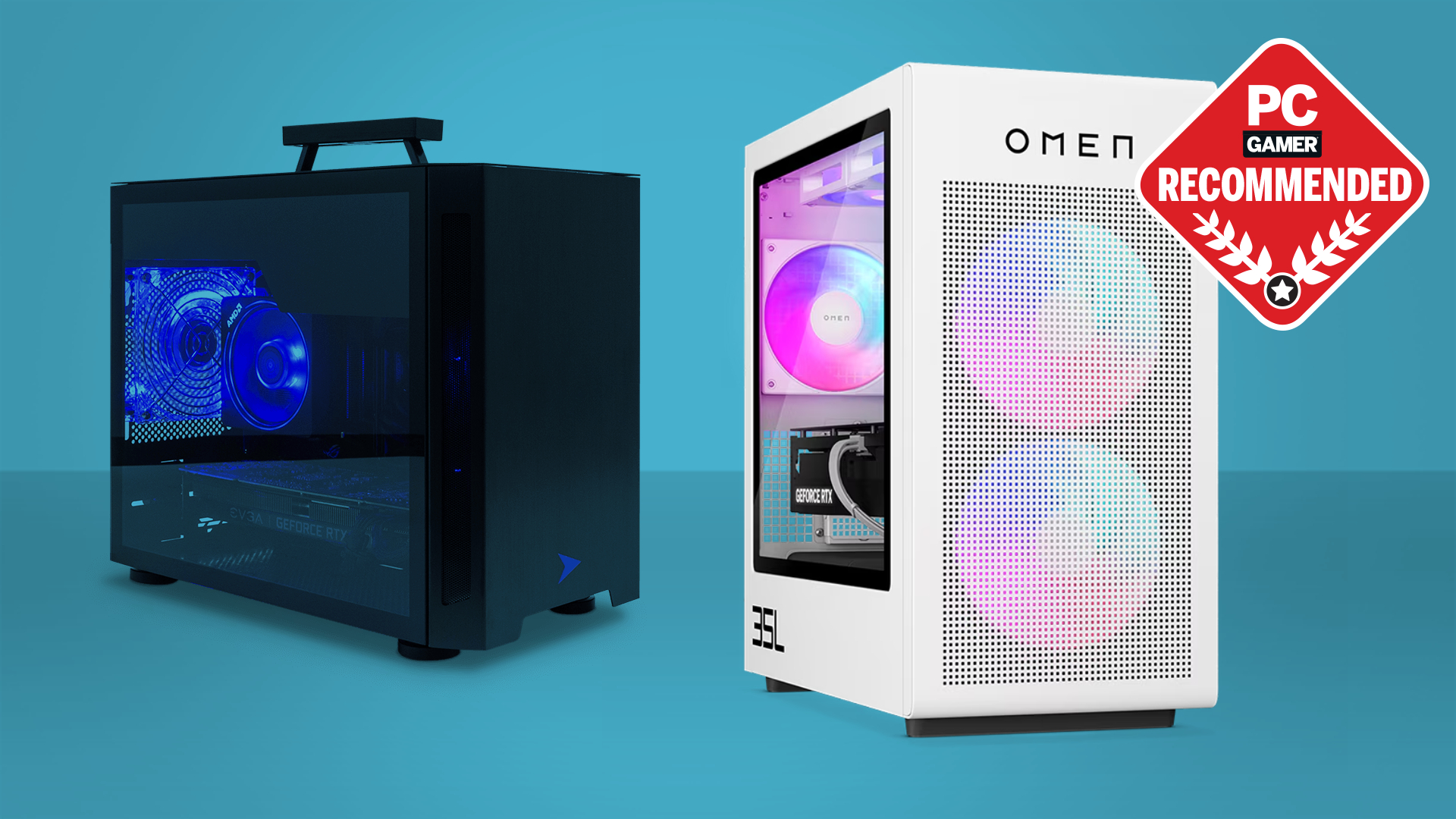
New GPUs In 2024 Current Market Status GPU Mag 14 Game Average Cost Per Frame GPU Comparison 1080p . Best PC Builds For Gaming 2025 From 500 Budgets To 4 000 Tom S 1200 80 . How Much Does A Gaming Pc Set Cost At Sarah Alanson Blog HOW MUCH DOES A GOOD GAMING PC COST . Is Pc Gaming On The Rise At Patrick Jefferson Blog IDC Gaming PC Monitors . Best Gaming Pc

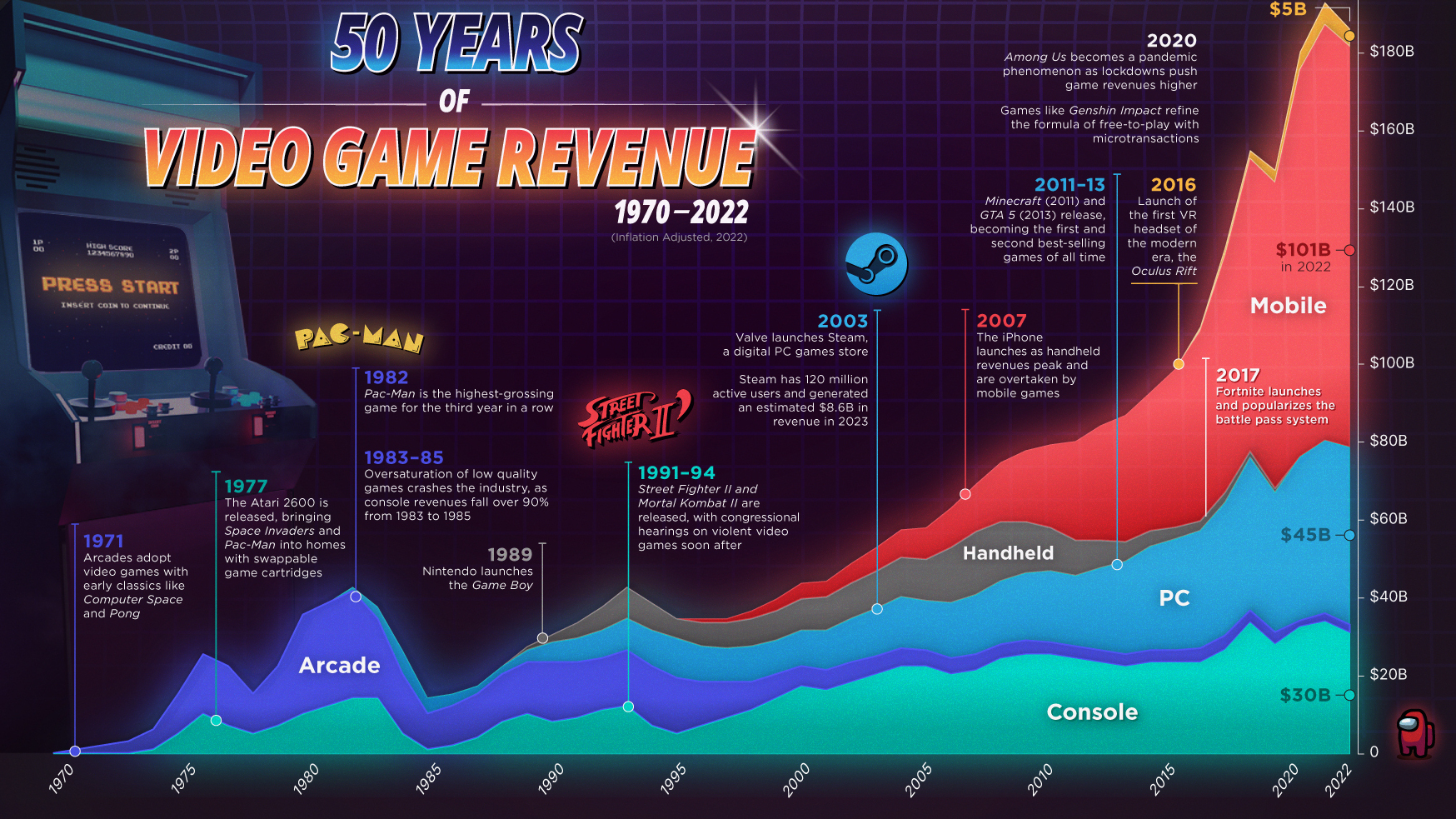
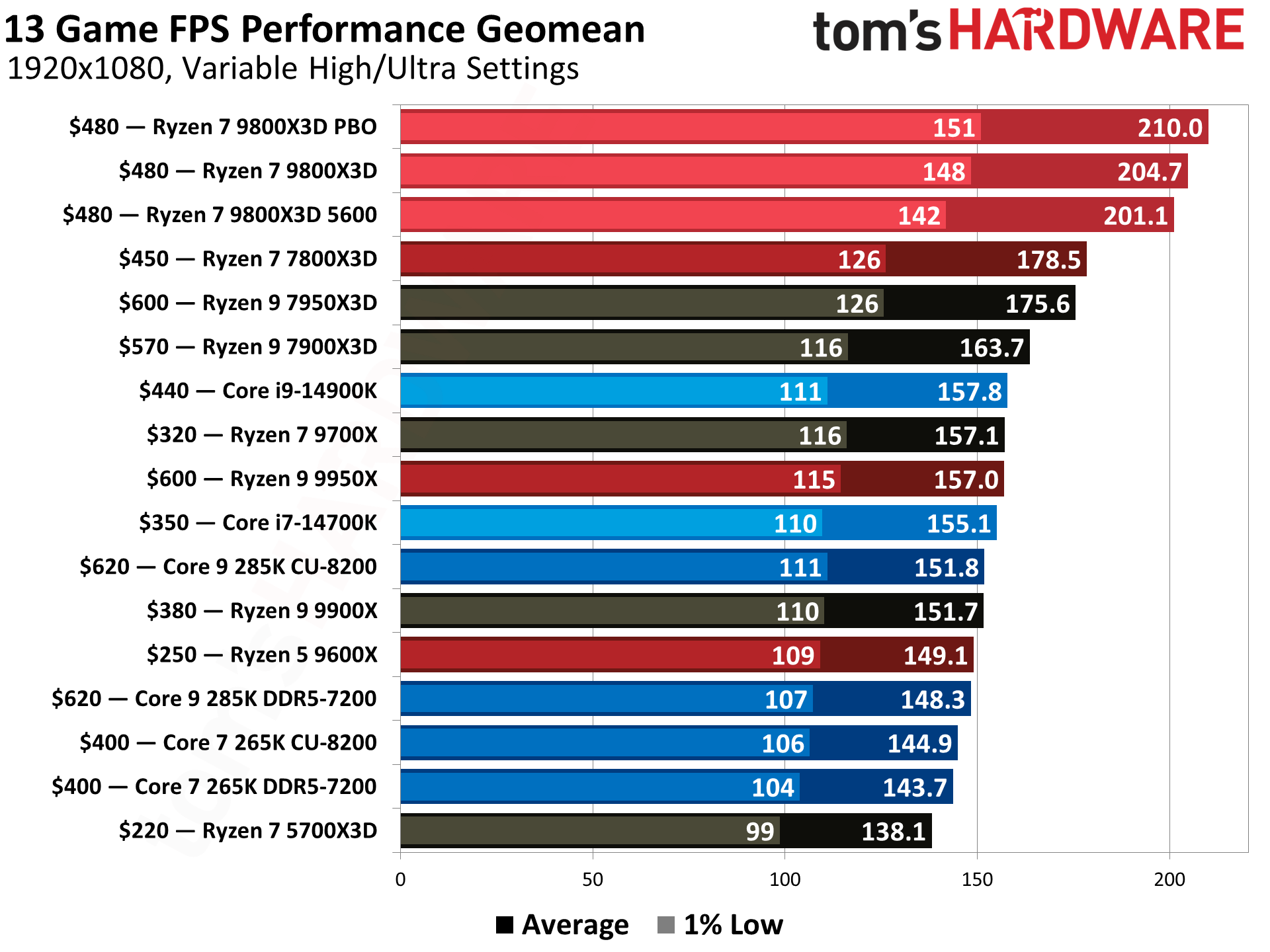


Top 10 Most Anticipated Games Of 2026 What To Watch Out For GAMES IN 2026 . 50 Years Of PC Vs Console Gaming Revenue Visualized PC Maintains Lead . World S Fastest Gaming CPU AMD S 9800X3D Hits An All Time Low Price . Building The World S Most Popular Gaming PC Costs R35 950 In South Africa 1 ZA Price Of Being A Gamer . 12 Best Apps Like Hoopla 2025 How Much Does It Cost To Build A Gaming PC



Average Cost Of A Gaming PC 2026 TheCostGuys Pc Gamer 480x270 . Come Assemblare Un PC Guida Per 2026 Best Mini PCs For Gaming.webp. IDC Expects Average PC Prices To Jump By Up To 8 In 2026 Due To . How To Upgrade Your Gaming PC 2026 Edition GadgetMates Bg Intro1 . How Much Does A Space Ship Cost Dibujos Cute Para Imprimir

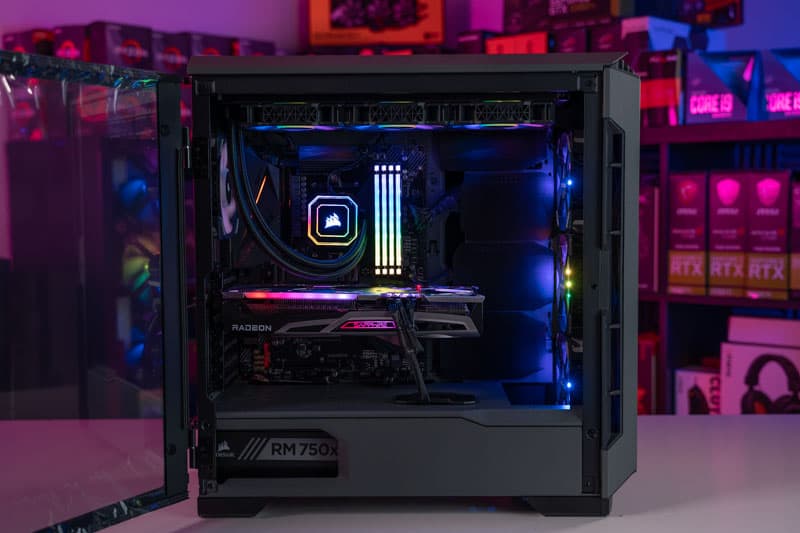
RTX 5080 Gaming PC Deal Slashes Price By 18 As January Sales Continue RTX 5080 Gaming PC Deal Slashes Price By 18 As January Sales Continue . Just In Case You Ve Forgotten All About Them AMD . The Ultimate Gaming PC Build With RTX 5090 Build My PC How Much Does It Cost To Build A PC For Gaming . Best Budget Gaming PC 2024 Quality Screens Increased Memory Budget PC Extra Immediate . How Much Does It Cost To Build A PC Gaming PC Costs Explained In 2026 How Much Does It Cost To Build A PC