Dive deep into the highly requested GTA Trilogy Classic Lighting Mode, a feature that recaptures the beloved original aesthetic of Grand Theft Auto 3, Vice City, and San Andreas within the Definitive Edition. Many players, seeking to restore the iconic atmosphere and visual fidelity of their cherished classics, actively search for how to enable or experience the classic lighting. This comprehensive guide navigates through the community's passion, Rockstar's responses, and the various methods to achieve that nostalgic look, exploring why this specific visual style resonates so deeply with the fanbase. Understand the significant impact of the original lighting on gameplay mood and character, making your Definitive Edition experience truly classic. Discover tips, tricks, and essential information to enhance your gaming, addressing all trending queries about reclaiming the true essence of the GTA Trilogy's visual heritage. From official updates to community solutions, we cover everything you need to know about the classic lighting mode, ensuring you can enjoy the games as you remember them.
GTA Trilogy Classic Lighting Mode FAQ Most Asked Questions Answered (Tips, Trick, Guide, How to, Bugs, Builds, Endgame)
Welcome, fellow enthusiasts, to the ultimate living FAQ for the GTA Trilogy Classic Lighting Mode, updated for the latest patches and community insights! I get why this whole lighting situation confuses so many people—it’s a hot topic because the visual vibe of these games is just so crucial to our memories. This guide is your go-to resource for everything you need to know about reclaiming that beloved original aesthetic in Grand Theft Auto: The Trilogy – The Definitive Edition. We’ll cut through the noise, answer your burning questions, and offer practical tips and tricks, whether you’re battling bugs or just aiming for that perfect nostalgic screenshot. You've got this!
Beginner Questions
What exactly is Classic Lighting Mode?
Classic Lighting Mode refers to the community's desire and efforts to restore the original lighting, color grading, and atmospheric effects from the PS2-era Grand Theft Auto III, Vice City, and San Andreas into the Definitive Edition. It’s about getting rid of the sometimes overly bright, less atmospheric look of the remasters and bringing back the distinct, moody visuals that defined the originals. It significantly impacts the overall feel, making the cities feel more authentic to how we remember them.
Is Classic Lighting Mode an official feature from Rockstar?
I get why this confuses so many people! No, a dedicated "Classic Lighting Mode" toggle, as the community actively campaigned for, was not officially included by Rockstar Games at the launch of the Definitive Edition. While Rockstar has released patches addressing various visual bugs and making some improvements, they haven't implemented a single, comprehensive option that reverts to the full original lighting style. This one used to trip me up too!
Why did Rockstar change the lighting in the first place?
Rockstar and Grove Street Games aimed to modernize the visuals of the classic trilogy, which included updating the lighting engine to be more in line with contemporary game development standards. They likely sought a more physically accurate rendering approach. However, in doing so, they inadvertently altered the unique artistic direction and atmospheric qualities that were intrinsic to the original games, leading to the widespread community feedback. It’s a classic case of modernization sometimes losing the original charm.
Visuals & Aesthetics
How does Classic Lighting change the game's atmosphere?
Classic lighting fundamentally transforms the game's atmosphere by restoring the original color palettes, shadow depths, and environmental effects like fog and haze. For instance, San Andreas regains its iconic orange-tinted sunsets and smoggy Los Santos feel, while Vice City's neon glows feel more vibrant and distinct, and Liberty City's grittiness becomes more pronounced. It injects a sense of mood and character back into the environments that many felt was absent in the initial Definitive Edition release, making the cities feel more lived-in and nostalgic. You’ll really feel the difference!
Does Classic Lighting make the game look 'worse' in terms of technical quality?
This is a common misconception! While technically the new lighting engine in the Definitive Edition is more advanced, "worse" is subjective. Classic lighting modes aim for *artistic fidelity* over raw technical polish, focusing on recreating the original mood and color schemes. It might mean less realistic global illumination by modern standards, but it delivers an aesthetic that is more beloved and authentic to the original games. It's about preference, not necessarily a downgrade in enjoyment.
Myth vs Reality: Classic lighting makes character models look better.
Myth: Classic lighting *alone* fixes all character model issues. Reality: While classic lighting can improve how character models are *illuminated* and make them appear less 'plastic' or oddly shiny by integrating them better into the original atmosphere, it doesn't fundamentally change the geometry or textures of the updated character models themselves. Some players still find the remade character models problematic regardless of lighting, but the classic lighting definitely helps them blend in more naturally. Don’t expect it to fix every single updated face, but it does wonders for the overall scene!
Installation & Compatibility (PC Focused)
What's the easiest way to install a Classic Lighting mod on PC?
The easiest way to install a Classic Lighting mod on PC usually involves downloading a mod package from a reputable site like Nexus Mods or GTA5-Mods.com. Most mods provide clear instructions, often requiring you to simply drag and drop files into specific game folders or use a mod manager. Always back up your original game files before installing any mods, just in case! Take your time with the instructions, and you'll be fine.
Are Classic Lighting mods compatible with other Definitive Edition mods?
Compatibility varies widely between different mods. Some classic lighting mods might conflict with other visual overhauls, texture packs, or certain gameplay mods that alter core game files. It's always best to read the mod description carefully for compatibility notes and to install mods one by one, testing after each installation. Using a mod manager can also help identify potential conflicts. You’ve got this, just be patient!
Myth vs Reality: Installing classic lighting mods is difficult and breaks your game.
Myth: All classic lighting mods are difficult to install and will inevitably break your game. Reality: While modding always carries some risk, many popular classic lighting mods are very user-friendly with straightforward installation processes. Reputable mods usually come with clear instructions. As long as you follow the steps, back up your files, and use trusted sources, the risk of breaking your game is low. It's easier than you might think!
Performance & Bugs
Does Classic Lighting Mode impact game performance or frame rate?
Generally, classic lighting mods are designed to *restore* existing lighting parameters or replace them with optimized versions, so they typically have a minimal impact on performance. Some mods might even slightly improve performance if they simplify complex new lighting calculations. However, if a mod is poorly optimized or combined with many other demanding visual mods, you *could* see a slight dip. It largely depends on the specific mod and your system. Keep an eye on your frame rate, but don’t expect a massive hit.
Are there any known bugs or glitches associated with Classic Lighting mods?
It's possible, as with any unofficial modification. Some common issues might include occasional lighting pop-in, odd shadow behavior in certain areas, or minor visual artifacts that weren't present in the vanilla game or even the original. These are usually mod-specific, and mod authors often release updates to address them. Always check the mod's comment section for reported bugs before installing. Staying updated with mod versions will help you avoid most headaches.
Community & Future Outlook
Will Rockstar ever officially implement a Classic Lighting option?
That's the million-dollar question! While Rockstar has responded to community feedback with patches for other issues, a dedicated, comprehensive "Classic Lighting Mode" toggle remains elusive. The sheer scale of the Definitive Edition's initial issues might have shifted their priorities. However, community demand remains high, so it's not entirely out of the realm of possibility for a future, significant update, especially if they revisit the Trilogy again. We can always hope, right?
Myth vs Reality: Rockstar actively works against classic lighting mods.
Myth: Rockstar dedicates resources to actively disable or remove classic lighting mods. Reality: While Rockstar's stance on modding for their online games (like GTA Online) is very strict, they generally take a more hands-off approach to single-player mods, provided they don't involve piracy or exploit vulnerabilities. They haven't specifically targeted classic lighting mods for the Definitive Edition's single-player experience. Their focus is usually on stability and online integrity, not on stopping visual enhancements for solo play. Mod away responsibly!
Still have questions?
The world of GTA Trilogy modding is always evolving! If you're looking for more in-depth guides on specific mods, troubleshooting tips, or comparisons of different lighting overhauls, check out popular gaming forums like Reddit's r/GTATrilogy or dedicated modding communities on Discord. Many incredible creators share their knowledge daily. You'll find tons of great resources to help you fine-tune your Definitive Edition experience!
Hey, fellow gamers! Remember the good old days cruising through Grove Street or tearing up the neon-drenched streets of Vice City? The sun hitting those pixelated cars just right, the distinct shadows, the atmospheric fog that hinted at danger around every corner? Ah, the nostalgia! When the Grand Theft Auto: The Trilogy – The Definitive Edition dropped, many of us were stoked to revisit these iconic worlds with a fresh coat of paint. But let's be real, a significant chunk of the community felt something was… off. The modern lighting, while technically advanced, often stripped away that unique, gritty, and sometimes ethereal atmosphere that defined the originals. This is where the clamor for a “GTA Trilogy Classic Lighting Mode” truly began, transforming into one of the most talked-about topics in the gaming sphere for the Definitive Edition visuals. It became clear that for many, the GTA Trilogy graphical changes didn't quite hit the mark, leading to a strong desire for the nostalgic gaming experience of yesteryear, often propelled by dedicated community mods GTA Trilogy efforts and players eagerly awaiting Rockstar Games updates.
We’re talking about more than just a preference; it’s about recapturing the very essence of games that shaped our childhoods and teenage years. Why is this specific visual tweak so important to so many? It boils down to authenticity, memory, and the powerful pull of playing a beloved title exactly as it was intended, or at least, as we remember it. Today, we’re going to dive deep into what the classic lighting mode means for these legendary titles, why it evokes such strong feelings, and how you can bring that beloved aesthetic back into your gaming experience. Get ready to illuminate your understanding of this critical fan-driven movement!
Question about GTA Trilogy Classic Lighting Mode: Your Essential Guide (Who, What, Where, When, Why, How)
Let's break down the core elements of the GTA Trilogy Classic Lighting Mode with a quick 5W1H summary box, focusing on everything you need to know about this highly sought-after feature and its place within the broader GTA universe.
- What is GTA Trilogy Classic Lighting Mode? It's a desired visual setting or modification that aims to restore the original, distinct lighting and atmospheric effects from Grand Theft Auto 3, Grand Theft Auto: Vice City, and Grand Theft Auto: San Andreas. These are the classic visuals that were altered in the Definitive Edition remasters, which many players felt changed the games' iconic mood and color palettes.
- Who is demanding it? Primarily the dedicated fanbase and veteran players of the original GTA Trilogy games. These are gamers who cherish the original aesthetic and found the updated lighting in the Definitive Edition to be a departure from the iconic look and feel.
- Where can I find it or apply it? Initially, the classic lighting mode was not officially implemented by Rockstar Games in the Definitive Edition. It has largely been achieved through community-created mods for the PC version of the game. However, official patches have made some improvements and adjustments since launch, albeit not a full 'classic mode' toggle.
- When did this become a significant issue? Immediately following the launch of Grand Theft Auto: The Trilogy – The Definitive Edition in November 2021. Players quickly noticed the altered lighting and expressed a strong desire for the original visuals to be an option.
- Why is it so important to players? The original lighting was integral to the atmosphere, mood, and even gameplay readability of the classic titles. It created specific color grading, shadow details, and fog effects that are deeply ingrained in player memories and contribute heavily to the unique identity of each game. Restoring it is about preserving the authentic gaming experience and the nostalgic connection players have.
- How can I experience Classic Lighting? For PC players, the most effective way is often through community-developed mods that specifically target lighting and weather effects. For console players, official patches from Rockstar Games have addressed some visual issues, but a dedicated 'classic lighting mode' toggle as desired by the community has not been fully implemented.
Rockstar's Architects: The Visionaries Behind Grand Theft Auto
Before we delve deeper into specific lighting modes, it's crucial to acknowledge the colossal entity behind the Grand Theft Auto phenomenon: Rockstar Games. Formed in 1998 under Take-Two Interactive, Rockstar didn't just create games; they forged cultural touchstones. At its heart were brothers Sam Houser and Dan Houser, alongside Leslie Benzies and Aaron Garbut, key figures whose creative vision propelled GTA into the stratosphere. Sam Houser, the studio's president, is often seen as the driving force behind Rockstar's narrative and artistic direction, pushing for bold, mature, and often controversial themes that defined the series. His commitment to creating living, breathing worlds, filled with compelling stories and unforgettable characters, is legendary. Dan Houser, the primary writer for many of the iconic GTA titles, penned the sharp, satirical, and often deeply philosophical dialogue that made the games more than just shoot-em-ups. His ability to craft intricate narratives, brimming with social commentary and dark humor, is unparalleled. Together, they cultivated a studio culture focused on quality, innovation, and pushing boundaries, even if it meant delays and intense scrutiny.
While Dan Houser has since departed Rockstar, his legacy, alongside Sam Houser's continued leadership, remains etched into every pixel and line of code. They fostered an environment where detail mattered, where open worlds weren't just playgrounds but intricate ecosystems reacting to the player's choices. This philosophy is evident in every aspect of a GTA game, from the sprawling maps and diverse radio stations to the meticulous character designs and the subtle environmental storytelling. Their influence extends beyond just gameplay mechanics; they've shaped how an entire generation perceives video game narratives and the potential of interactive entertainment. The Houser brothers, alongside their talented teams, didn't just build games; they built universes that captivated millions, set new industry standards, and continually challenged what video games could be. Their dedication to creating immersive, narrative-driven experiences is a cornerstone of why the GTA series, even with its controversial elements, continues to resonate globally and why even subtle changes like lighting in a remaster stir such passionate debate among fans.
A Chronicle of Mayhem: The History of the GTA Series and the Rise of GTA Online
The Grand Theft Auto series didn't start as the global behemoth it is today. It began in 1997 with a top-down, 2D perspective, letting players cause chaos in a stylized rendition of American cities. While crude by today's standards, its irreverent humor and open-world freedom quickly garnered a cult following. The real revolution, however, came in 2001 with Grand Theft Auto III. This game, launching on the PlayStation 2, redefined open-world gaming with its groundbreaking 3D environment, compelling storytelling, and unparalleled freedom. Players stepped into Liberty City, a gritty, living metropolis that felt utterly real, and the gaming world was never the same. This era also saw the initial lighting philosophies that would become so beloved and debated years later.
GTA III was followed by Grand Theft Auto: Vice City in 2002, transporting players to a vibrant, 80s-inspired Miami analogue, full of neon lights and a killer soundtrack. Then came Grand Theft Auto: San Andreas in 2004, an epic saga set across an entire state, featuring three distinct cities and RPG elements that deepened the gameplay experience. These three titles, forming the core of the GTA Trilogy, established Rockstar's reputation for ambitious storytelling, satirical social commentary, and expansive, immersive worlds. The visual design, including the distinctive lighting, contributed immensely to their unique identities. The hazy, atmospheric look of San Andreas, the vibrant, sun-drenched glow of Vice City, and the grimy, urban realism of GTA III all left an indelible mark.
Fast forward to 2013, and Grand Theft Auto V arrived, shattering sales records and pushing the boundaries of what open-world games could achieve. But perhaps its most enduring legacy is GTA Online. Launched shortly after the main game, GTA Online transformed the single-player experience into a persistent, ever-evolving multiplayer world. It allowed players to create their own characters, form crews, buy properties, run businesses, and engage in a staggering array of heists, missions, and competitive modes. GTA Online became a phenomenon in its own right, a cash cow that has consistently delivered new content, events, and vehicles for over a decade. It's a testament to Rockstar's ability to not only craft incredible single-player narratives but also to maintain a thriving, dynamic online ecosystem. This continuous evolution and commitment to player engagement are key reasons why Rockstar's legacy is so strong and why fans are so passionate about every detail, even down to the subtle nuances of classic lighting in their beloved older titles.
GTA Deep Dive: Unpacking Gameplay, Map, Characters, and the Impact of Classic Lighting
Let’s talk about the heart of Grand Theft Auto: the gameplay, the expansive maps, and the unforgettable characters. In the original GTA Trilogy, these elements were meticulously crafted to provide an unparalleled sense of freedom and immersion. Players could carjack, engage in chaotic shootouts, complete narrative-driven missions, or simply explore the vibrant, dangerous cities. The intuitive controls, even for their time, made the criminal underworld accessible and endlessly entertaining. The missions ranged from thrilling bank heists to espionage, often laced with Rockstar's signature dark humor and social satire.
The maps themselves were characters. Liberty City (GTA III) was a stark, grimy metropolis, a concrete jungle echoing New York. Vice City was a flamboyant, sun-drenched paradise, a vivid homage to 80s Miami, pulsating with neon lights and a killer soundtrack. San Andreas offered an entire state, encompassing three distinct cities – Los Santos (LA), San Fierro (SF), and Las Venturas (Vegas) – along with vast rural areas, deserts, and forests. Each map was designed with incredible attention to detail, encouraging exploration and discovery. The characters were equally iconic: Claude, the silent protagonist of GTA III; Tommy Vercetti, the hot-headed mobster in Vice City; and Carl 'CJ' Johnson, the conflicted gang member returning to Grove Street in San Andreas. Their stories, struggles, and triumphs became legendary.
Now, let's bring it back to the GTA Trilogy Classic Lighting Mode. When the Definitive Edition launched, the updated lighting engine, while technically more modern, significantly altered the look and feel of these iconic environments and characters. In some cases, the vibrant blues of Vice City became flatter, the gritty shadows of Liberty City lost their depth, and the hazy, golden glow of San Andreas's sunsets felt artificial. The new lighting often introduced an overly bright, almost plasticine look that stripped away the unique atmosphere. For example, the famous 'orange haze' of San Andreas, which perfectly conveyed the heat and smog of Los Santos, was often replaced with a generic clarity that betrayed the original artistic intent. This directly impacted the *gameplay* experience for many veterans, as the original lighting often played a subtle role in setting the mood for missions or highlighting environmental details. Restoring the classic lighting isn’t just about aesthetics; it’s about restoring the game's soul, bringing back the visual cues and atmospheric textures that made these worlds so believable and engaging. It’s about ensuring that when you drive through Vice City at night, the neon lights have that specific, almost ethereal glow, or that the urban decay of Liberty City feels truly oppressive under a murky sky. This fidelity to the original visual identity is what the deep dive into classic lighting ultimately seeks to achieve, allowing the iconic gameplay, maps, and characters to shine as they were originally intended.
Why GTA Still Dominates in This Year: The Enduring Appeal and Cultural Impact
Even years after their initial releases, and despite numerous other open-world titles, the Grand Theft Auto series continues to hold an unparalleled grip on the gaming world. Why does GTA still dominate in this year, captivating both new players and veterans alike? It’s a multifaceted phenomenon rooted in Rockstar's audacious game design, unparalleled storytelling, and a finger firmly on the pulse of cultural zeitgeist. At its core, GTA offers an intoxicating blend of freedom, satire, and unadulterated escapism. Players are given an unprecedented level of agency within meticulously crafted worlds, allowing them to follow a compelling narrative, engage in side activities, or simply cause pure, unadulterated mayhem. This sandbox approach, perfected over decades, means there’s always something to do, someone to see, and another absurd situation to stumble into.
Beyond the raw gameplay, GTA's cultural impact is immense. It’s a series that isn't afraid to hold a mirror up to American society, skewering consumerism, politics, celebrity culture, and media with razor-sharp wit and dark humor. The radio stations are legendary, acting as a curated soundtrack and a hilarious commentary on the in-game world. The characters, from the most minor pedestrian to the lead protagonists, are memorable and often complex, embodying the gritty realism and over-the-top caricatures that define the series. This blend of authentic, relatable experiences with exaggerated, satirical scenarios creates a unique narrative resonance that few other games achieve. It sparked countless controversies, becoming a constant topic of discussion in mainstream media, further cementing its place in popular culture. Its influence can be seen in countless open-world games that followed, proving that Rockstar's formula was a blueprint for success.
The passion for a GTA Trilogy Classic Lighting Mode directly ties into this enduring appeal. For many, the original lighting wasn't just a technical detail; it was an intrinsic part of the games' identity, contributing directly to their distinct atmosphere and cultural resonance. The hazy sun in San Andreas felt like the California dream, the neon glow of Vice City perfectly captured the 80s excess, and the perpetual gloom of Liberty City evoked its urban decay. When these visual cues are altered, it affects the very essence of what made those games iconic and deeply nostalgic. Players aren't just looking for better graphics; they're looking for the *feel* of the original experience, the exact mood and tone that made those moments unforgettable. This desire for visual authenticity underscores how deeply ingrained the aesthetic details are in the overall GTA experience, showcasing why even small changes can spark such significant conversations and movements within the incredibly loyal fanbase.
How to Play GTA in This Year: From Consoles to Classic Lighting Mods
So, you're ready to dive back into the sprawling, chaotic worlds of Grand Theft Auto in this year? Whether you're a veteran or a newcomer, there are multiple ways to experience the iconic series, from the latest iterations to revisiting the classics. Let's break down how to play GTA, including how to embrace the GTA Trilogy Classic Lighting Mode.
Playing Grand Theft Auto on Consoles and PC
For the most recent experiences, Grand Theft Auto V and the ever-popular GTA Online are available across multiple platforms. You can play GTA V and GTA Online on PlayStation 5, Xbox Series X/S, PlayStation 4, Xbox One, and PC. The current-gen console versions offer enhanced visuals, faster loading times, and new features, making them the definitive way to experience Los Santos today. On PC, you have the added benefit of higher frame rates, custom resolutions, and a vast modding community that constantly adds new life to the game.
If you're looking to revisit the classics, Grand Theft Auto: The Trilogy – The Definitive Edition, which includes GTA III, Vice City, and San Andreas, is available on PlayStation 5, Xbox Series X/S, Nintendo Switch, PlayStation 4, Xbox One, and PC. While these remasters offer modernized controls and some visual upgrades, they are also where the desire for the Classic Lighting Mode originated due to changes in the original atmosphere. Many players who own these titles on PC will find the most flexibility for customization.
Embracing the GTA Trilogy Classic Lighting Mode: A Guide to Nostalgia
This is where things get exciting for fans yearning for that original visual fidelity. As mentioned, an official, dedicated 'classic lighting mode' toggle has not been fully implemented by Rockstar across all platforms for the Definitive Edition. However, the community, especially on PC, has been hard at work. Here's how you can typically achieve that nostalgic look:
PC Modding: The Primary Solution: For PC players, mods are your best friend. Head over to popular modding websites like GTA5-Mods.com (which often hosts mods for the Trilogy too) or Nexus Mods. Search specifically for
Reclaiming original GTA Trilogy visuals. Understanding community demand for classic lighting mode. How lighting impacts Definitive Edition atmosphere. Steps to enable or experience nostalgic graphics. Comparing classic versus updated visuals. The role of mods in restoring original lighting. Rockstar's involvement and official updates regarding visual options. Why classic lighting enhances the GTA Trilogy experience.
35#1 Gallery gta trilogy classic lighting mode
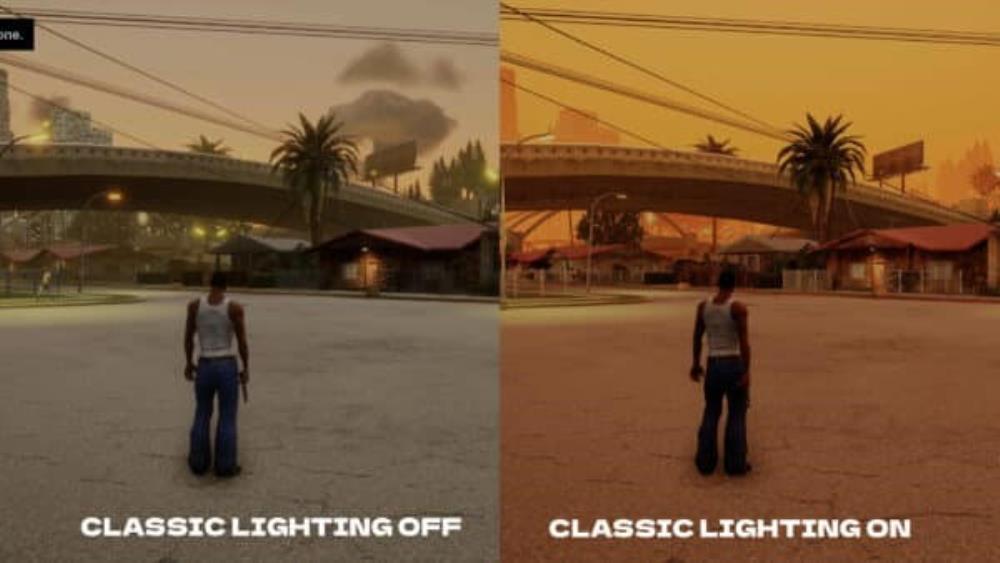


GTA Trilogy Definitive Lighting Vs Classic Lighting Comparison . GTA Trilogy Definitive Edition Surprise Update Adds Classic Lighting To 2638311 0 Lg . GTA Trilogy Definitive Edition Classic Lighting On Vs Off Comparison . GTA Trilogy OLD LIGHTING VS NEW LIGHTING Patch Graphics Comparison . Analizando La Nueva Iluminaci N De GTA TRILOGY YouTube
#2 Gallery gta trilogy classic lighting mode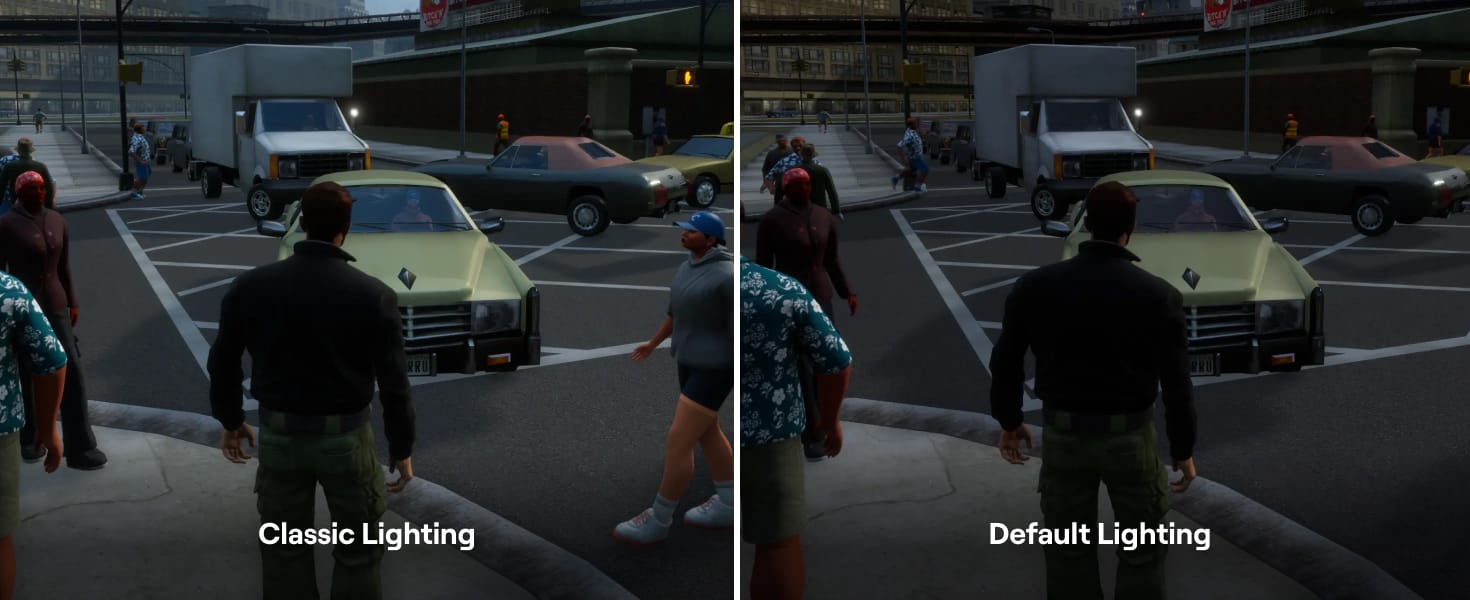


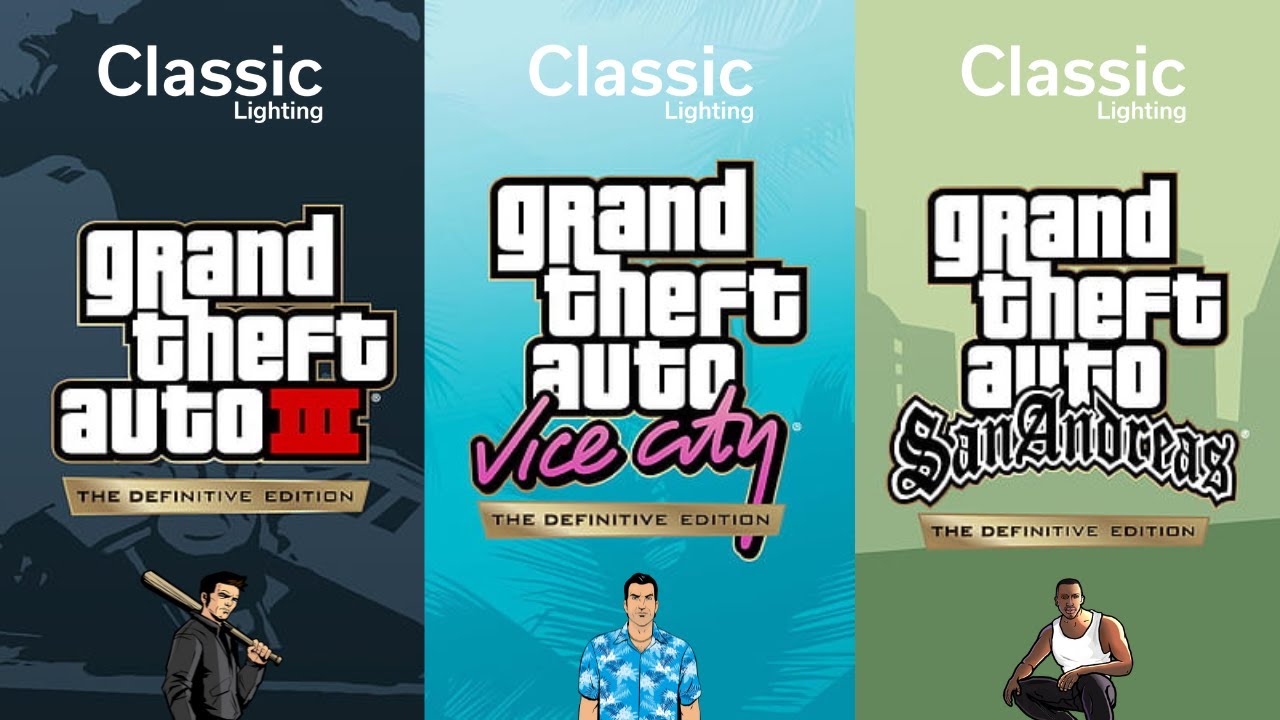
GTA Trilogy Update 1 112 Comparison Old Vs New Driffle Games 2 . Classic Lighting Mode Added To GTA Trilogy Definitive Edition Contain 1200x630 . GTASA Definitive Edition Mobile Classic Lighting ON Vs OFF Comparison . GTA The Trilogy Old Lighting VS New Lighting Patch Graphics . Classic Lighting Graphics Gameplay Of Grand Theft Auto The Trilogy
#3 Gallery gta trilogy classic lighting mode


PC Version Of GTA The Trilogy Gets Major Patch With Classic Lighting Post 8426 En . GTA Trilogy Definitive Edition Gets New Patch On PC And Consoles 03 1456x819 . GTA Definitive Edition Ser O Modo De Ilumina O Cl Ssico Do Patch 6 Grand Theft Auto The Trilogy Definitive Edition Improved Is It Actually Definitive Now 3 5 Screenshot . Classic Lighting Reshade III VC SA At Grand Theft Auto The Trilogy 953 1760042126 323195932 . Classic Lighting In Grand Theft Auto Trilogy Definitive IOS Android
#4 Gallery gta trilogy classic lighting mode


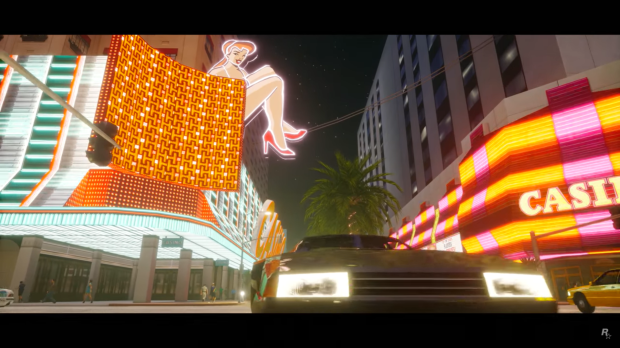

GTA Definitive Edition Does Patch 6 S Classic Lighting Mode Finally Grand Theft Auto The Trilogy Definitive Edition Improved Is It Actually Definitive Now 4 6 Screenshot . Absolutely Gorgeous GTA Trilogy Receives Big Graphical Update On PC Grand Theft Auto The Trilogy The Definitive Edition Key Art . Classic Lighting Reshade III VC SA At Grand Theft Auto The Trilogy 953 1760042126 1595812881 . GTA Trilogy Remaster Looks AMAZING With Huge Graphics Upgrades 82340 5 Gta Trilogy Gets Massive Graphics Upgrades Looks Better Than Ever . GTA Trilogy Definitive Edition Gets New Patch On PC And Consoles 06 1456x819
#5 Gallery gta trilogy classic lighting mode
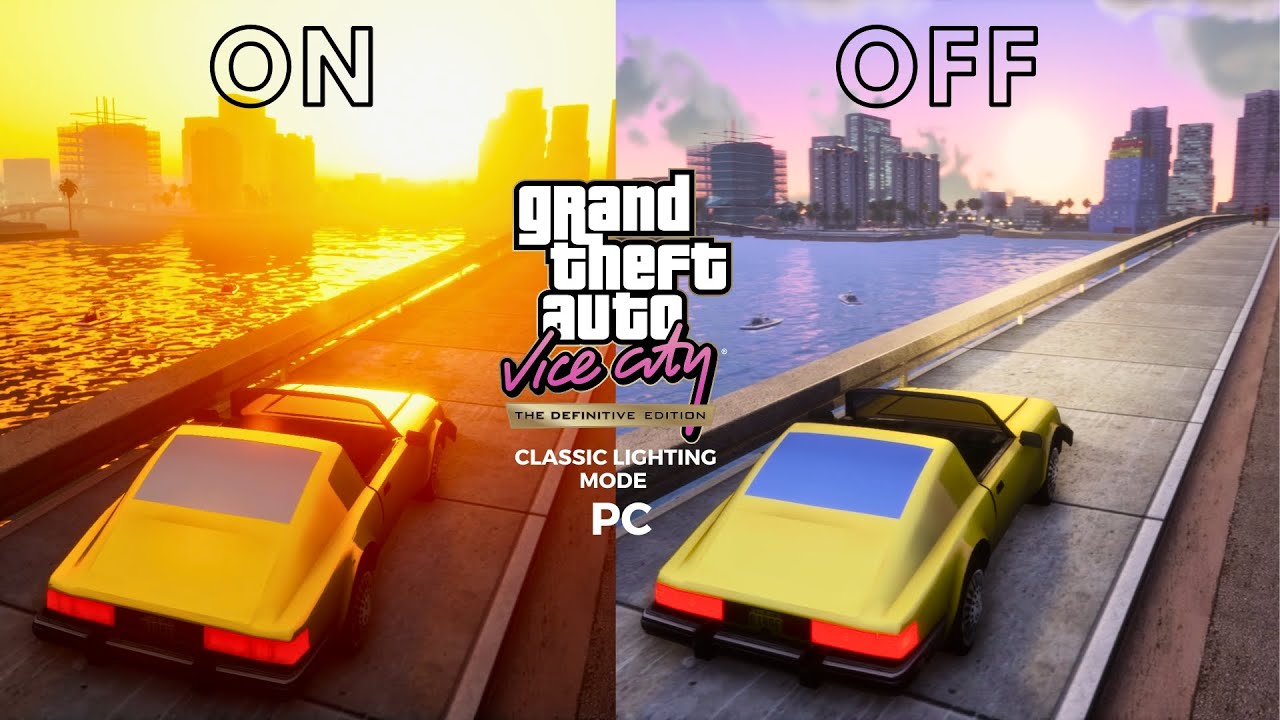


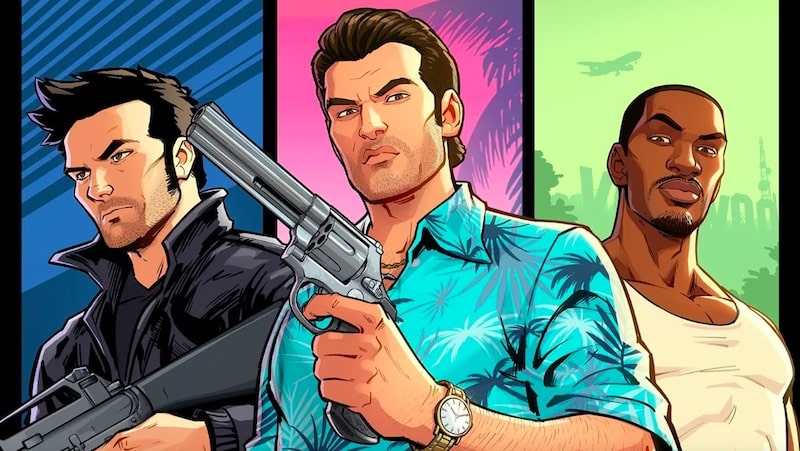
Classic Lighting Reshade III VC SA At Grand Theft Auto The Trilogy 953 1760042126 1872265507 . Classic Lighting Mode Comparison On PC GTA Vice City Definitive . GTA Trilogy Definitive Edition Gets New Patch On PC And Consoles 02 1456x819 . Classic Lighting Reshade III VC SA At Grand Theft Auto The Trilogy 953 1760042126 1968670197 . Grand Theft Auto Trilogy The Definition Edition Receives Console Patch Min
#6 Gallery gta trilogy classic lighting mode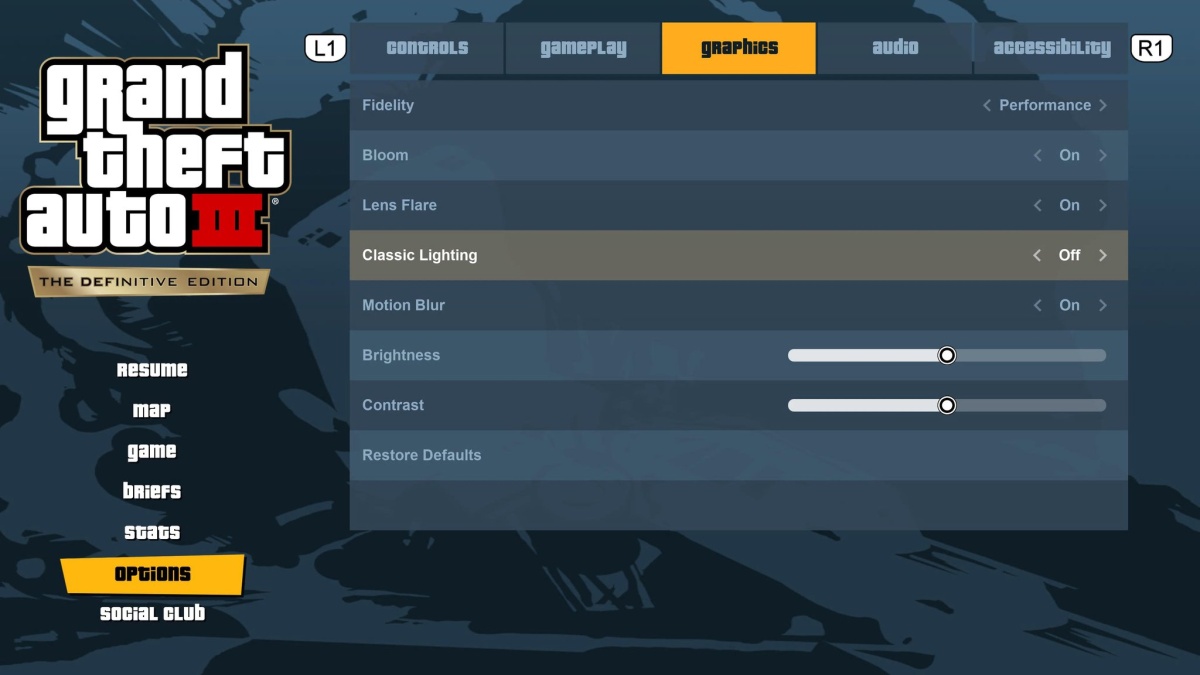
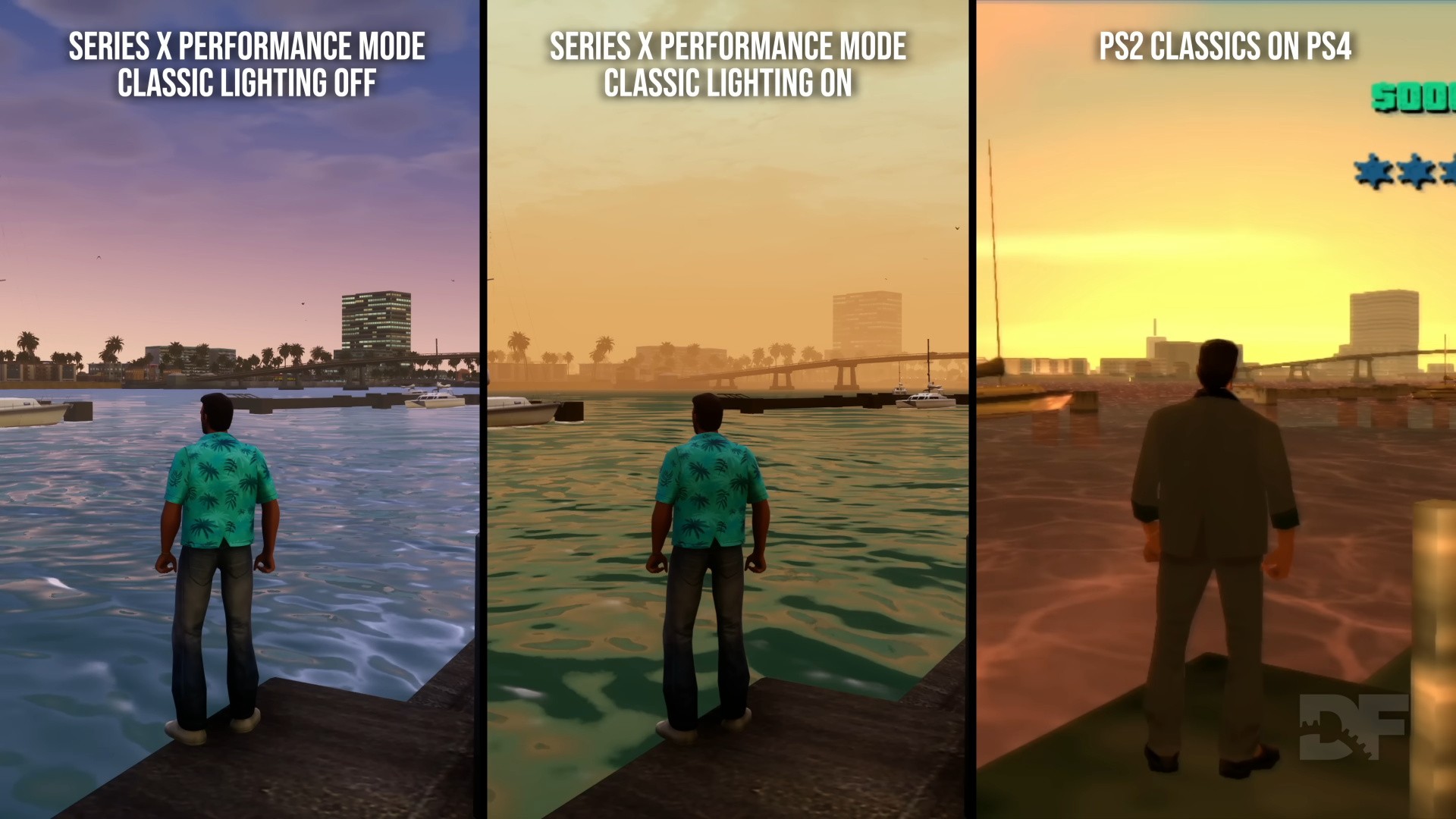
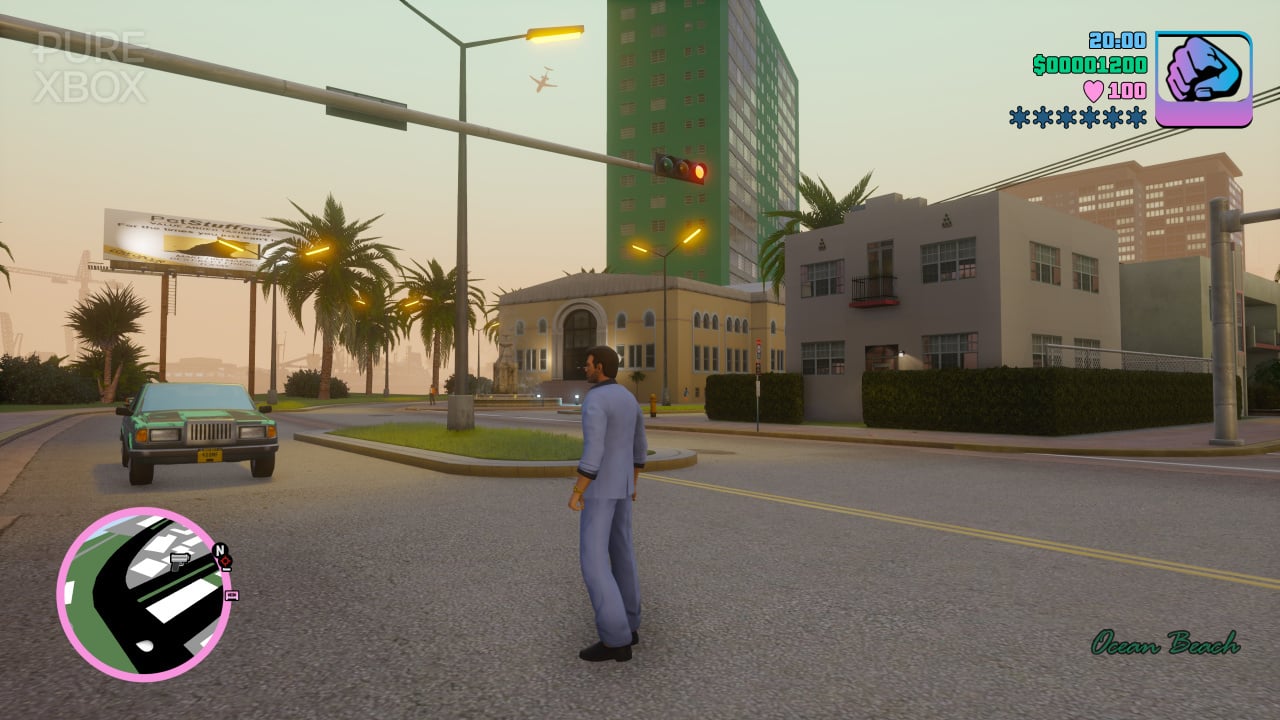

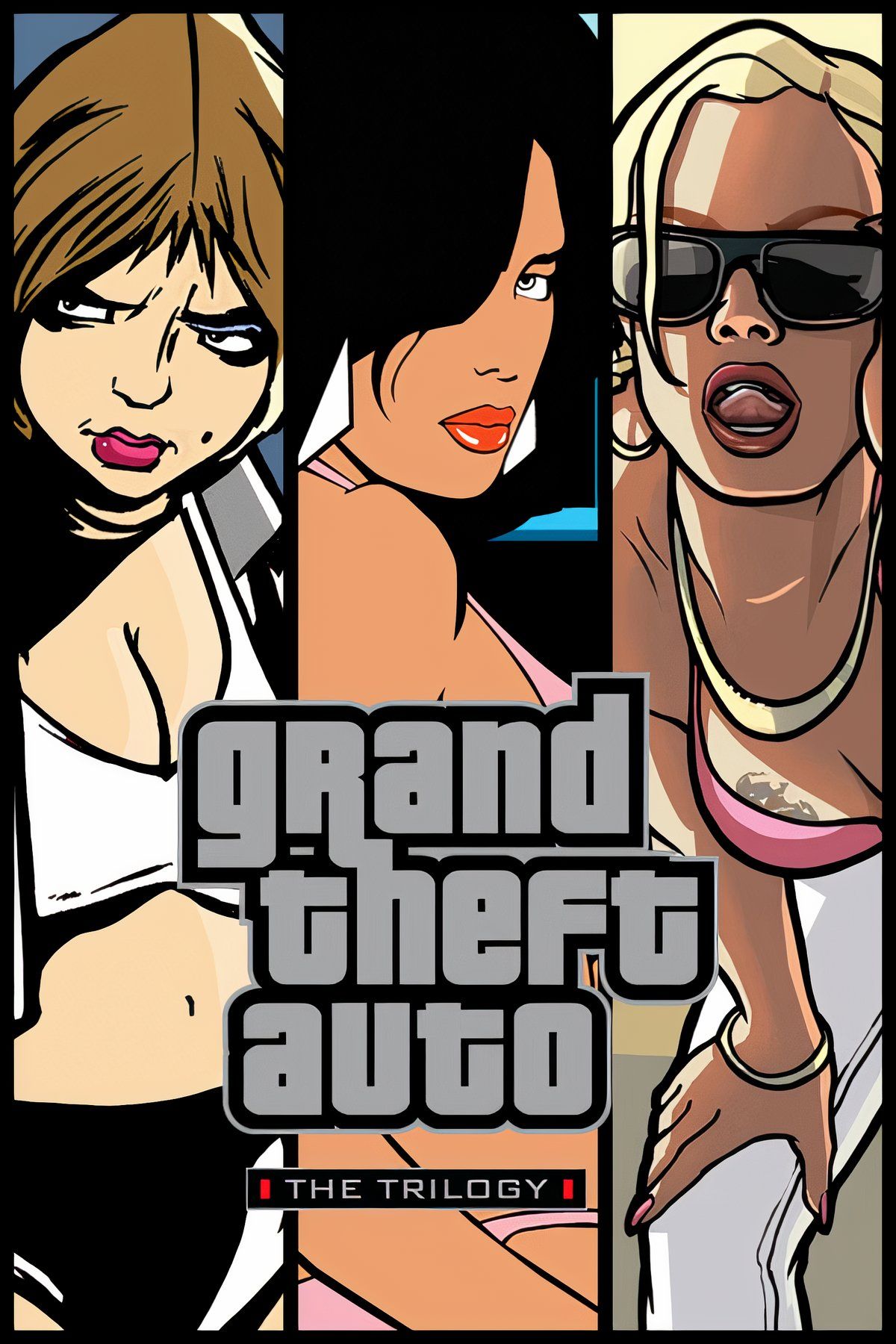
PC Version Of GTA The Trilogy Gets Major Patch With Classic Lighting 1731412639 Gcle Gbw4aecf91 . GTA Definitive Edition Does Patch 6 S Classic Lighting Mode Finally Vice Citys Sunny Vibes Are Better Preserved With The Classic Lighting Mode . GTA Trilogy Gets A Major Surprise Update For Xbox One Series X S Gta Trilogy Gta Vice City Classic Lighting On.large . Grand Theft Auto The Trilogy The Definitive Edition Finally Gets . GTA Trilogy Gets Surprise New Update For November 2024 Mixcollage 25 Dec 2024 02 28 Am 7061
#7 Gallery gta trilogy classic lighting mode

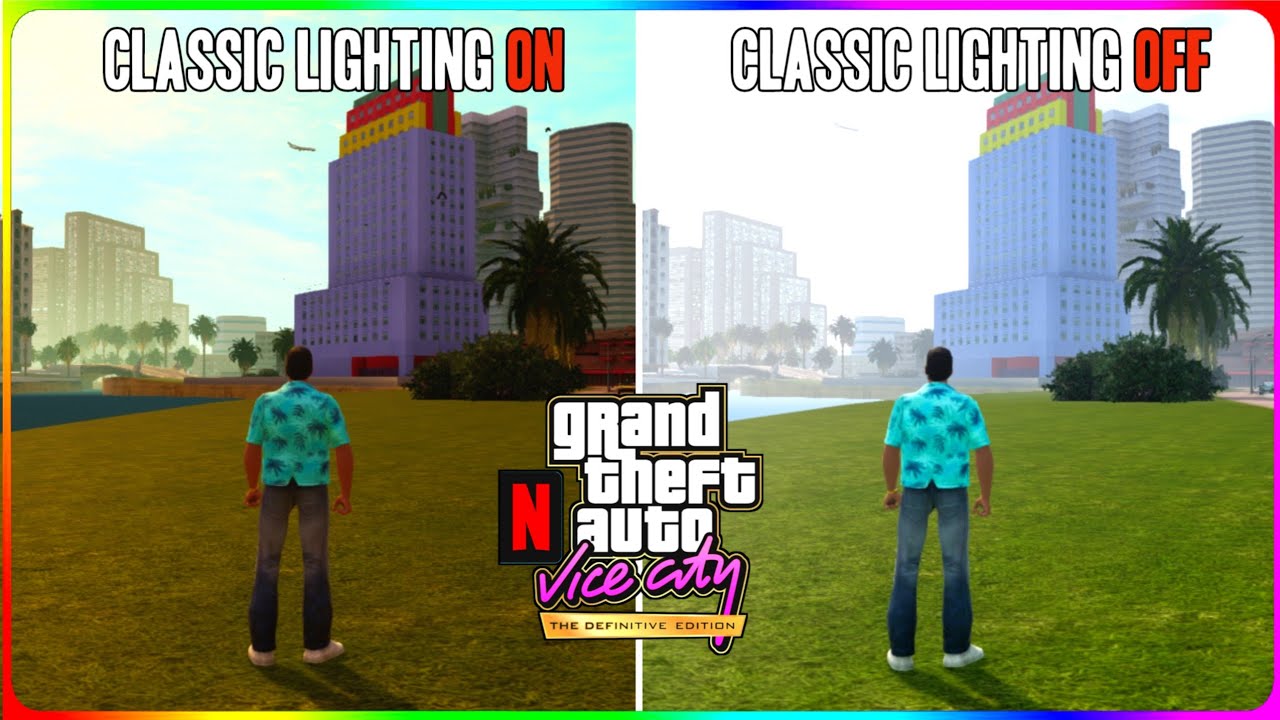

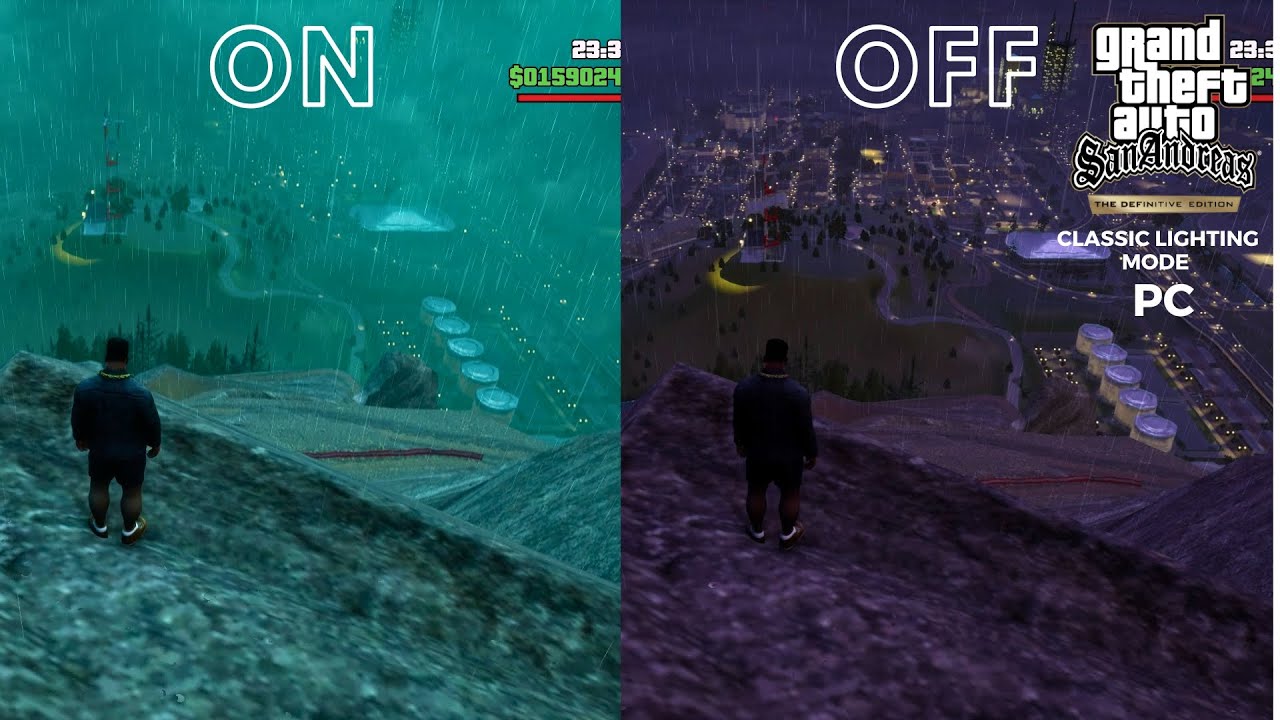
Rockstar Completely Rebuilt GTA Trilogy And Sacked Former Devs POPTOPIC Image 70 1024x576 . GTA Trilogy Definitive Edition 1 112 Classic Lighting Comparison . GTA Vice City Definitive Edition Netflix Classic Lighting On Vs . Classic Lighting Options Comparison On GTA SA The Definitive Edition . Classic Lighting Mode Comparison On PC GTA San Andreas Definitive