Unleash the full potential of your gaming desktop powered by Intel i7 processors. Discover essential tips and tricks for optimizing performance, achieving higher frame rates, and ensuring a smoother gameplay experience. This comprehensive guide covers everything from hardware considerations to software settings, driver updates, and system maintenance. Gamers seeking an edge will find invaluable insights to enhance their Intel i7 rig. Stay ahead of the competition with expert advice on maximizing your gaming experience. Explore optimal configurations and troubleshoot common performance issues with our in-depth analysis. Elevate your play with an Intel i7 gaming desktop.
gaming desktop intel i7 FAQ 2026 - 50+ Most Asked Questions Answered (Tips, Trick, Guide, How to, Bugs, Builds, Endgame)
Welcome to the ultimate living FAQ for Intel i7 gaming desktops, updated for 2026 and beyond! Whether you're a seasoned veteran or just dipping your toes into high-performance PC gaming, this guide is your go-to resource. We've compiled over 50 of the most asked questions, covering everything from optimal builds and performance tips to troubleshooting common bugs and mastering endgame strategies. Modern games constantly evolve, and so does the hardware and software that powers them. This FAQ integrates the latest insights and advancements, ensuring your Intel i7 rig delivers an unparalleled gaming experience. Dive in to unlock its full potential, stay informed on the newest trends, and conquer any challenge. This is your comprehensive roadmap to gaming success.
Beginner Questions & Setup Essentials
Is an Intel i7 processor still good for gaming in 2026?
Absolutely, an Intel i7 remains an excellent choice for gaming in 2026. Modern i7 chips offer a superb balance of high single-core performance crucial for many games and sufficient multi-core capabilities for multitasking like streaming or content creation. They provide a strong foundation for high frame rates in current and upcoming AAA titles, especially when paired with a capable GPU.
What graphics card should I pair with an Intel i7 for gaming?
The ideal graphics card for an Intel i7 gaming desktop depends on your budget and target resolution. For 1080p and 1440p gaming, NVIDIA's RTX 4070/4070 Super or AMD's RX 7800 XT are fantastic choices. For uncompromised 4K performance, consider the RTX 4080 Super or RX 7900 XTX, ensuring your i7 doesn't bottleneck these powerful GPUs.
How much RAM does an Intel i7 gaming PC need?
For an Intel i7 gaming PC in 2026, 16GB of DDR5 RAM is the minimum recommended for smooth gameplay in most titles. However, 32GB is becoming the sweet spot for enthusiasts and those who multitask, stream, or play memory-intensive simulation or open-world games. Ensure it's fast RAM configured in dual-channel mode.
Do Intel i7 processors come with a cooler, or do I need to buy one?
Some Intel i7 processors (typically non-K series models) might come with a basic stock cooler. However, for serious gaming and optimal performance, especially with K-series (unlocked for overclocking) i7s, it's highly recommended to purchase a robust aftermarket CPU cooler. A good air cooler or an AIO liquid cooler will provide significantly better thermal management, preventing throttling.
What is thermal throttling, and how does it affect my Intel i7?
Thermal throttling is when your Intel i7 processor automatically reduces its clock speed to lower temperatures and prevent damage when it gets too hot. This often leads to noticeable FPS drops, stuttering, and overall performance degradation during intense gaming sessions. Proper cooling and good airflow are crucial to avoid this common issue and maintain peak performance.
Myth vs Reality: Is an i9 always better than an i7 for gaming?
Reality: While an i9 typically offers more cores and higher clock speeds, an i7 is often indistinguishable for pure gaming performance. Many games primarily leverage a few powerful cores, which i7s excel at. The i9's extra cores often go unused, making the performance gain minimal for the significantly higher cost, especially if paired with a mid-range GPU.
Performance Optimization & FPS Boosts
How do I stop FPS drops and stuttering on my Intel i7 gaming desktop?
To fix FPS drops and stuttering on your Intel i7 gaming desktop, start by ensuring all drivers (GPU, chipset) are updated. Monitor CPU/GPU temperatures to rule out thermal throttling, improve cooling if needed. Close unnecessary background applications, disable game overlays, and adjust in-game settings. A clean Windows installation or checking for malware can also resolve persistent issues.
What are the best settings optimization tips for gaming with an Intel i7?
Optimizing settings on your Intel i7 involves balancing performance and visuals. Prioritize lowering demanding GPU-intensive settings like 'shadow quality,' 'anti-aliasing,' and 'global illumination' first. Keep 'texture quality' high if you have sufficient VRAM. Ensure your monitor's refresh rate is set correctly, and enable technologies like V-Sync/G-Sync/FreeSync if applicable to prevent screen tearing while maintaining smooth frames.
Should I enable XMP profile for my RAM on an Intel i7 system?
Yes, you should almost always enable the XMP (Extreme Memory Profile) profile in your BIOS for your RAM on an Intel i7 system. XMP ensures your RAM runs at its advertised speed and timings, rather than the slower default JEDEC speeds. This can significantly improve memory bandwidth and latency, leading to a noticeable boost in overall system and gaming performance.
Myth vs Reality: Does disabling background services boost FPS significantly?
Reality: While disabling *unnecessary* background services can free up some system resources, the FPS boost for an Intel i7 gaming desktop is usually minimal, often just a few frames. Essential services are vital for system stability. Focus more on closing demanding applications like browsers with many tabs, streaming software, or active downloads for a more impactful performance gain.
Drivers, Updates & Software Management
What are the most crucial drivers to update for an Intel i7 gaming PC?
The most crucial drivers to update for an Intel i7 gaming PC are your graphics card drivers (NVIDIA GeForce or AMD Radeon), Intel chipset drivers for your motherboard, and your network adapter drivers. These directly impact gaming performance, system stability, and internet connectivity. Regularly check the manufacturers' websites for the latest versions to ensure optimal performance and security.
How often should I update my drivers for gaming on an Intel i7?
For gaming on an Intel i7, you should aim to update your graphics card drivers regularly, typically with every major game release or monthly. Intel chipset drivers are less frequent, perhaps every few months or with major Windows updates. Prioritize stability over constantly chasing the absolute newest driver, as sometimes fresh drivers can introduce new bugs for certain game titles.
Multiplayer Issues & Network Optimization
How can I reduce high ping and lag on my Intel i7 gaming desktop?
To reduce high ping and lag on your Intel i7 gaming desktop, first use a wired Ethernet connection instead of Wi-Fi. Close all background applications that consume bandwidth, such as streaming services or large downloads. Restart your router and modem. Consider contacting your ISP for connection issues, or explore a gaming VPN if the problem is server routing-related. Ensure your network drivers are updated.
Myth vs Reality: Does having a faster i7 directly mean lower ping?
Reality: No, having a faster Intel i7 processor does not directly mean lower ping. Ping is a measure of network latency, determined by your internet service provider, network hardware (router, modem), and distance to game servers. While an i7 handles game logic faster, it doesn't accelerate data transmission over the internet. A powerful CPU will reduce client-side lag but not network latency.
Endgame Grind & Advanced Builds
What is the best way to utilize an Intel i7 for streaming and gaming simultaneously?
To best utilize an Intel i7 for simultaneous streaming and gaming, leverage its multi-core capabilities. Use a hardware encoder (NVENC for NVIDIA GPUs or AMF for AMD GPUs) in your streaming software (OBS Studio) to offload encoding from the CPU to the GPU. This allows your i7 to dedicate more resources to the game, ensuring smooth gameplay and high-quality streams without significant FPS drops. Ensure you have 32GB RAM for optimal performance.
Bugs & Fixes
My Intel i7 PC crashes during gaming. What should I check first?
If your Intel i7 PC crashes during gaming, first check CPU and GPU temperatures for overheating using monitoring software. Next, update your graphics drivers to the latest stable version. Run a memory diagnostic tool (Windows Memory Diagnostic) to check your RAM for errors. Finally, verify the integrity of your game files through the game launcher, and ensure your power supply unit is adequate and stable. Overclocking issues can also cause instability.
Still have questions?
This FAQ is a living document, constantly updated with the latest insights for your Intel i7 gaming desktop. Didn't find your answer here? Drop us a comment or check out our related guides on Advanced i7 Overclocking, Best Gaming Monitor Pairings, and Troubleshooting Common PC Issues for more in-depth solutions. Keep gaming strong!
Are you wondering if your gaming desktop with an Intel i7 processor is truly performing at its peak? Many gamers frequently ask how to squeeze every last frame per second from their powerful rigs. It's a valid question, especially with new titles demanding more from hardware every year. Let's dive into making your Intel i7 gaming experience as smooth and responsive as possible.
You've invested in a formidable machine, a true workhorse designed for high-fidelity gaming. An Intel i7, especially a modern one, provides a fantastic foundation for any serious gamer. But simply having a great processor isn't enough; optimization is key to unlocking its full potential. We're talking about more than just raw power; it's about synergy between components and software. By 2026, Intel's i7 line continues to be a top contender for gaming, thanks to its excellent single-core performance and sufficient multi-core capabilities for multitasking. Understanding these nuances will significantly enhance your gameplay.
Unlocking Your i7 Gaming Desktop's Full Power
Getting the most out of your Intel i7 gaming desktop involves several crucial steps. It's like fine-tuning a high-performance sports car for race day; every detail matters. We'll look at ensuring your system is running efficiently and effectively. This includes everything from simple software tweaks to hardware considerations. By following these guidelines, you'll notice a significant improvement in your gaming sessions. Remember, consistent maintenance is vital for sustained performance.
Software and Driver Optimization for Peak Performance
Keeping your software updated is arguably one of the easiest yet most impactful ways to boost performance. Outdated drivers can cause major bottlenecks. Always check for the latest GPU drivers from NVIDIA or AMD, as well as Intel's chipset drivers. These updates often contain critical performance enhancements and bug fixes. Regularly updating your operating system is also essential for stability and security. Consider using tools that automate driver checks to simplify this process.
- Update Graphics Drivers: Download the newest drivers directly from NVIDIA or AMD's websites.
- Intel Chipset Drivers: Ensure your motherboard's chipset drivers are current for optimal communication.
- Windows Updates: Install all pending Windows updates to maintain system stability and performance.
- Game Updates: Keep your games updated; developers frequently release performance patches.
- Disable Background Apps: Close unnecessary applications running in the background while gaming.
Hardware Considerations and System Maintenance
Your hardware's health directly impacts performance, and cooling is paramount for Intel i7 processors. Overheating can lead to thermal throttling, which significantly reduces CPU speeds. Ensure your case has good airflow and your CPU cooler is adequate for your i7 model. Regular cleaning of dust from fans and heatsinks is also crucial. Consider upgrading your RAM or storage if they are bottlenecks, especially with today's demanding games. A solid-state drive (SSD) is practically mandatory for fast load times. Upgrading to a faster SSD can dramatically reduce loading screens in many titles.
- Efficient Cooling: Invest in a robust CPU cooler and ensure proper case airflow.
- Dust Management: Clean your PC regularly to prevent dust buildup on components.
- Storage Solutions: Use an NVMe SSD for your operating system and primary games.
- RAM Configuration: Ensure you have sufficient RAM (16GB minimum) running in dual-channel mode.
- Power Supply: A stable and sufficient power supply unit (PSU) prevents system instability.
By focusing on these areas, you're not just improving performance; you're future-proofing your investment. A well-maintained Intel i7 gaming desktop will serve you well for years. Don't underestimate the cumulative effect of these small optimizations.
Beginner / Core Concepts
It's totally understandable if you're feeling a bit overwhelmed by all the tech jargon sometimes. We've all been there, staring at a settings menu wondering what half the options even mean. Don't sweat it, we're going to break down some core concepts about your Intel i7 gaming desktop. Think of it as getting your bearings before a big adventure!
1. Q: What makes an Intel i7 processor good for gaming compared to other CPUs?
A: I get why this confuses so many people, especially with all the different CPUs out there! The Intel i7 is fantastic for gaming primarily because it generally offers strong single-core performance. Many games, even in 2026, still rely heavily on a few powerful cores rather than many weaker ones. The i7 also provides enough cores and threads for smooth multitasking, like streaming or running Discord in the background, without sacrificing your game's FPS. It's a great balance of raw speed and parallel processing power that really shines in diverse gaming scenarios. Plus, they tend to have higher clock speeds out of the box, which directly translates to snappier game responsiveness. You've got a solid foundation with an i7, truly!
2. Q: Do I really need a dedicated graphics card with an Intel i7 for gaming?
A: This one used to trip me up too, and it's a super common question! Absolutely, for any serious gaming, you'll need a dedicated graphics card, even if your Intel i7 has integrated graphics. While Intel's integrated graphics have improved a lot by 2026, they're typically designed for light tasks and multimedia, not demanding AAA games at decent frame rates and resolutions. The dedicated GPU (from NVIDIA or AMD) is the real workhorse for rendering complex game worlds. It handles all the visual heavy lifting, allowing your i7 to focus on game logic and other CPU-intensive tasks. Think of your i7 as the brain and the GPU as the eyes and hands; they both need to be top-tier for a great gaming experience. Don't skimp on the GPU if you want to truly enjoy modern titles! You've got this!
3. Q: How much RAM is ideal for an Intel i7 gaming PC in 2026?
A: This is a great practical question, and the answer has definitely evolved over the years! For a gaming PC with an Intel i7 in 2026, you'll want at least 16GB of RAM as a comfortable baseline. This amount allows most modern games to run smoothly without constantly hitting your storage for data, which causes stutters. If you're into streaming, content creation, or running many applications simultaneously while gaming, 32GB is quickly becoming the sweet spot. More RAM means your system can keep more game assets and background processes loaded, leading to a much smoother experience and faster loading times. Just make sure it's fast RAM (DDR5 is standard now) and installed in dual-channel mode for optimal performance. Trust me, you'll feel the difference!
4. Q: What's the difference between FPS and ping, and why do they matter for my gaming experience?
A: I totally get why these terms can be confusing, but they're super important for understanding your game performance! FPS, or Frames Per Second, measures how many individual images your computer can render and display on your screen each second. Higher FPS means smoother, more fluid gameplay. Ping, on the other hand, measures the time it takes for data to travel from your computer to the game server and back, essentially your connection's responsiveness. High ping means noticeable lag, where your actions in-game are delayed. Both are critical: high FPS gives you visual fluidity, while low ping gives you responsive control. You need both working well for a truly enjoyable online gaming experience. Keep an eye on both metrics in your games! Try monitoring them tomorrow and let me know how it goes.
Intermediate / Practical & Production
Alright, let's kick things up a notch and talk about getting your Intel i7 gaming desktop truly optimized for the thick of battle. These are the kinds of tips that can transform a good experience into a truly great one. We're moving beyond the basics and into practical tweaks that seasoned gamers often employ. It's all about fine-tuning for consistent, top-tier performance.
5. Q: My i7 gaming PC experiences FPS drops and stuttering in certain games. What's the most common culprit?
A: Ah, the dreaded FPS drops and stuttering – I've been there, it's incredibly frustrating! The most common culprit, especially with an Intel i7 setup, is often thermal throttling. When your CPU or GPU gets too hot, it automatically slows down to prevent damage, causing those annoying stutters. Check your temperatures using software like HWMonitor during gameplay. If they're consistently above 85-90 degrees Celsius, you've found your primary issue. Other causes can be outdated drivers, background applications hogging resources, or insufficient RAM. Start with checking temps, ensure drivers are current, and close any unnecessary programs. Often, a good cleaning or an improved cooling solution can make a world of difference. Don't let heat slow you down! You've got this!
6. Q: How can I optimize in-game settings to balance visuals and performance on my Intel i7 system?
A: This is where the real art of gaming PC ownership comes in, finding that perfect sweet spot! The key is understanding which settings are most demanding on your GPU versus your CPU. For an Intel i7, your CPU usually isn't the primary bottleneck unless you're playing heavily CPU-bound strategy games or simulations. Graphics settings like 'texture quality' primarily use VRAM, while 'shadow quality,' 'anti-aliasing,' and 'global illumination' are significant GPU hogs. Start by lowering shadows and post-processing effects, then anti-aliasing. Experiment by reducing settings one by one, monitoring your FPS after each change. Focus on maintaining your desired frame rate first, then slowly increase visual fidelity until performance drops. It's a bit of a dance, but you'll find what works best for your specific GPU and monitor setup. Every game is a little different, so be patient and test each one! Try this tomorrow and let me know how it goes.
7. Q: Is overclocking my Intel i7 processor safe for daily gaming, and what are the benefits?
A: Overclocking, huh? That's a classic move for squeezing extra performance, and it can be safe if done correctly! The benefit is essentially free performance – higher clock speeds mean your i7 processes instructions faster, potentially boosting FPS in CPU-intensive games or tasks. However, it *does* increase heat generation and power consumption, so a robust cooling solution (like a good AIO liquid cooler) is absolutely non-negotiable. You'll need a compatible 'K' series i7 processor and a Z-series motherboard. Start with small voltage and clock speed increments, testing stability thoroughly with benchmarks and stress tests. Don't just crank it up! Incorrect settings can lead to instability or reduce your CPU's lifespan. If you're careful and have good cooling, it's a solid way to get more out of your existing hardware. But always proceed with caution and research specific guides for your CPU model! You've got this!
8. Q: What are the best practices for maintaining my Intel i7 gaming desktop's longevity?
A: Keeping your rig running smoothly for years is definitely the goal, and it's simpler than you might think! First, consistent dust cleaning is paramount. Use compressed air regularly (every 3-6 months) to clear out fans, heatsinks, and vents. Dust acts like an insulating blanket, trapping heat and degrading component lifespan. Second, monitor your temperatures; good cooling prevents thermal stress. Third, ensure a clean power supply. A good surge protector or even a UPS can shield your components from electrical fluctuations. Finally, keep software tidy: regularly uninstall unused programs, declutter your hard drives, and run antivirus scans. These habits not only extend life but also maintain peak performance. It's like taking care of a classic car; a little regular attention goes a long way! You've got this!
9. Q: Should I consider a custom liquid cooling loop for my Intel i7 gaming PC?
A: Ooh, custom liquid cooling, that's getting into enthusiast territory, and it's a cool (pun intended!) question! A custom loop can definitely offer superior cooling performance compared to air coolers or even AIO liquid coolers, especially if you're heavily overclocking your Intel i7 and GPU. It also looks incredibly sleek. However, it's a significant investment in both cost and effort. Installation is complex, requires careful planning, and regular maintenance (draining, cleaning, refilling). For most gamers, a high-quality air cooler or a decent 240/360mm AIO liquid cooler is more than sufficient for an i7, even an overclocked one. Consider a custom loop if you're chasing extreme overclocks, prioritize aesthetics, or genuinely enjoy the PC building hobby beyond just gaming. It's a commitment, but very rewarding if it aligns with your goals. You've got this!
10. Q: How does an Intel i7 impact performance in different game genres (FPS, MOBA, RPG, Strategy)?
A: That's a really insightful question, and it highlights how different games stress your hardware in unique ways! For FPS games, your Intel i7's high single-core speed and low latency are crucial for hitting high frame rates and maintaining responsiveness, especially in competitive titles. MOBAs are generally less demanding, but a strong i7 still ensures super smooth performance, particularly during intense team fights with many effects. RPGs often benefit from the i7's multi-core strength and fast communication with your GPU for loading large open worlds and managing complex AI. Strategy games, however, are where the i7 truly shines on the CPU side; their simulations often rely heavily on CPU power, especially in the late game with many units. Your i7 provides an excellent foundation across all these genres, ensuring you're rarely CPU-bottlenecked. It's a versatile chip! You've got this!
Advanced / Research & Frontier 2026
Alright, for those of you who really love to dig deep and understand the cutting edge, let's talk about some advanced topics for your Intel i7 gaming desktop. By 2026, the tech landscape is constantly evolving, and staying ahead of the curve means understanding the finer points. These are the nuances that pro players and power users obsess over.
11. Q: What role does Intel's Thread Director technology play in optimizing i7 performance for modern games in 2026?
A: This is a fantastic, cutting-edge question! Intel's Thread Director, especially prominent in their hybrid architecture CPUs (like 12th gen and newer i7s), is a game-changer. It intelligently guides the operating system (Windows 11 especially) to assign tasks to the most appropriate cores – performance-cores (P-cores) or efficient-cores (E-cores). For gaming, this means demanding game threads are prioritized on the powerful P-cores, while background tasks (like Discord, antivirus, or OS processes) get shunted to the E-cores. This ensures your game gets maximum P-core power without interruption, preventing micro-stutters and boosting overall responsiveness. It's like having a brilliant traffic controller for your CPU, making sure everything runs optimally without you lifting a finger. It truly leverages the hybrid design for superior gaming. You've got this!
12. Q: How do P-cores and E-cores in modern Intel i7 processors specifically benefit a gaming workload?
A: I totally understand why this new hybrid architecture can seem a bit complex, but it's super cool for gaming! P-cores (Performance Cores) are your muscle; they're designed for high clock speeds and heavy single-threaded workloads, which is perfect for a game's main render loop and physics calculations. E-cores (Efficiency Cores) are your utility players; they're designed for power efficiency and handling background tasks. In a gaming workload, your game's critical processes run on the P-cores, getting maximum speed. Simultaneously, all those other necessary but less critical tasks – Discord, your web browser, OS background processes, maybe even streaming encoder tasks – run on the E-cores without taking away precious resources from your game. This prevents performance dips and keeps your gaming experience consistently smooth. It's all about intelligent resource allocation! You've got this!
13. Q: What are the implications of PCIe 5.0 for Intel i7 gaming desktops in 2026, particularly for GPUs and NVMe SSDs?
A: This is a forward-thinking question, and PCIe 5.0 is definitely the future! For gaming desktops with an Intel i7 in 2026, the primary benefit of PCIe 5.0 lies in the increased bandwidth it offers to next-generation GPUs and NVMe SSDs. While current high-end GPUs don't fully saturate PCIe 4.0, future GPUs will, and PCIe 5.0 provides that necessary headroom. More critically, PCIe 5.0 NVMe SSDs offer insane read/write speeds, which are becoming increasingly important for game loading and asset streaming, especially with Microsoft's DirectStorage technology. DirectStorage allows games to load assets directly from the SSD to the GPU, bypassing the CPU, which drastically reduces load times and can minimize stuttering in open-world games. Your i7 motherboard needs to support it to truly leverage these advancements. It's all about removing data bottlenecks for the fastest possible experience. You've got this!
14. Q: How important is CPU cache (L2/L3) in an Intel i7 for competitive gaming, and how do newer i7s improve on this?
A: This is an excellent, deep-dive question for competitive gamers! CPU cache (L2/L3) is incredibly important for gaming, especially in scenarios where your i7 frequently accesses the same data. Cache acts as a super-fast, tiny memory bank right on the CPU, storing frequently used instructions and data. When the CPU needs data, it checks the cache first; if it's there (a 'cache hit'), it's much faster than going to system RAM. This directly impacts game performance by reducing latency and speeding up critical game logic, AI, and physics calculations, which is vital for high FPS and responsiveness in competitive titles. Newer Intel i7 processors, by 2026, feature significantly larger and more efficient cache architectures, often with shared L3 cache across P-cores and E-cores, further optimizing data access. This means your i7 can feed the GPU with data faster, reducing potential bottlenecks. It's a silent hero of performance! You've got this!
15. Q: What are some advanced BIOS/UEFI settings on an Intel i7 gaming motherboard to tweak for maximum performance?
A: This is where you really get to unleash your inner PC enthusiast – messing with BIOS/UEFI settings can yield great results, but proceed with caution! Beyond basic XMP profiles for RAM, look for 'Enhanced Multi-Core Performance' or 'MCE' (Multi-Core Enhancement) – this often allows all cores to boost to max turbo frequency. You can also manually adjust CPU core ratios for a stable overclock, or fine-tune voltage settings (like Vcore) for better stability or lower temperatures at stock speeds. Disable unnecessary onboard peripherals like unused SATA ports or Wi-Fi if you're using wired Ethernet. For latency-sensitive games, ensure 'HPET' (High Precision Event Timer) is set to '64-bit' or disabled depending on your OS and game. Always save your current settings profile before making drastic changes, and only change one setting at a time to easily identify what worked or caused issues. Remember, the goal is stability first, then performance! You've got this!
Quick 2026 Human-Friendly Cheat-Sheet for This Topic
- Keep Drivers Fresh: Always update your GPU and Intel chipset drivers; it's free FPS!
- Cool It Down: Ensure your CPU cooler is robust and your PC case has great airflow to avoid throttling.
- SSD is King: If you're not on an NVMe SSD for games, that's your next upgrade for speed.
- Background Boss: Close all unnecessary apps before gaming; every bit of RAM and CPU power counts.
- Settings Savvy: Tweak in-game graphics settings for the best FPS-to-visual balance for your specific rig.
- Dust Busting: Clean your PC's internals regularly; dust is a silent performance killer.
- BIOS Basics: Enable XMP for your RAM, and explore MCE for a potential easy CPU boost.
Intel i7 gaming desktop optimization, FPS boost strategies, driver updates, cooling solutions, performance settings, future-proofing your rig, common gaming issues fixes.
35

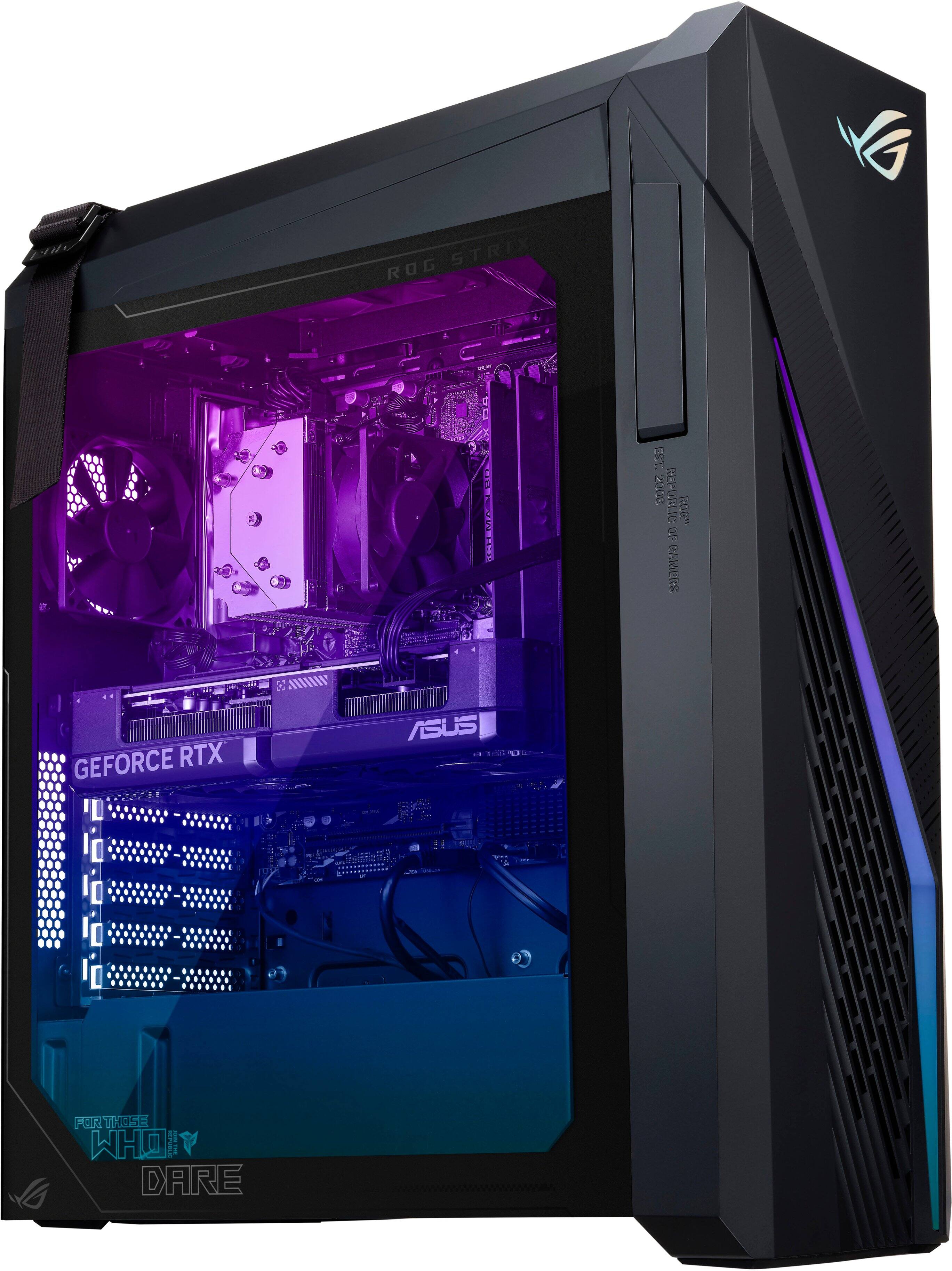
ASUS G16CHR I7KF4070SVR 6572408 Sd . Best Buy ASUS Performance Desktop Intel Core I7 12700 16GB Memory 1TB 6511878cv2d . PC Gamer Intel Core I7 12700F 16GB DDR4 1TB SSD M 2 NVMe Video NVIDIA Productos34 48373 . Amazon Com Alienware Aurora R16 Gaming Desktop Intel Core I9 13900F AC . Technology Gaming Windows 11 PC Gaming 16 GB Very VXNSM SQ1 0000000004 BLACK SLf


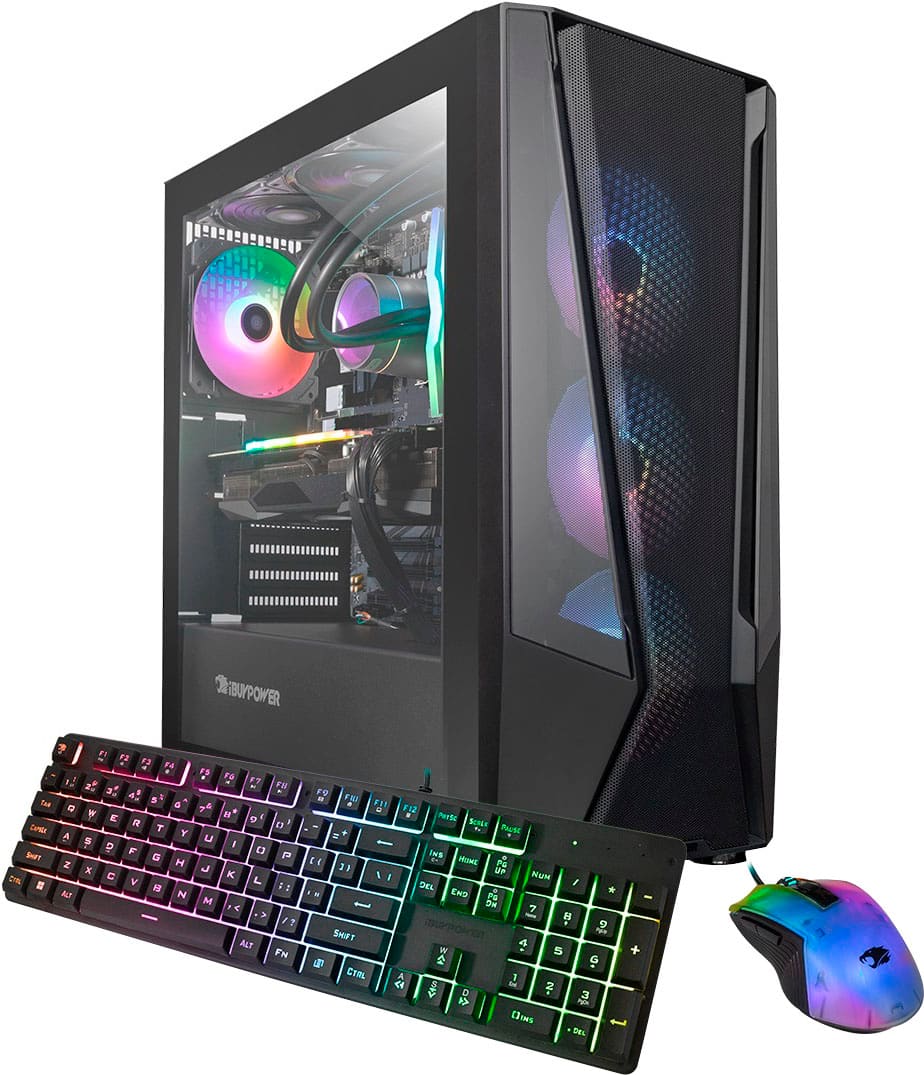
Amazon Com IBUYPOWER Trace Mesh Gaming PC Desktop Computer Intel Core AC . STGAubron Gaming Desktop PC Computer Intel Core I7 3 4 GHz Up To 3 9 71m RpjxqSL. AC SL1000 . Amazon Com Gamer Xtreme VR Liquid Cool Gaming PC Intel AC . Customer Reviews ASUS ROG Gaming Desktop Intel Core I7 13700F 16GB 6537024ld . Customer Reviews IBUYPOWER TraceMesh Gaming Desktop Intel Core I7 6536559 Sd
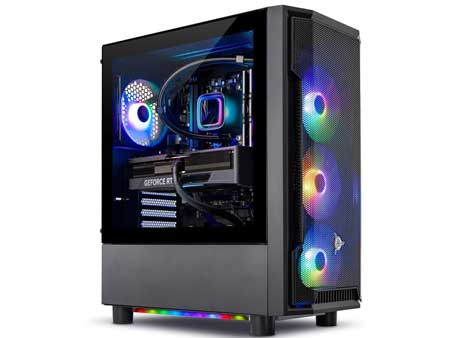
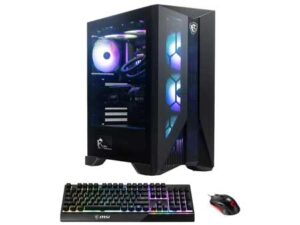
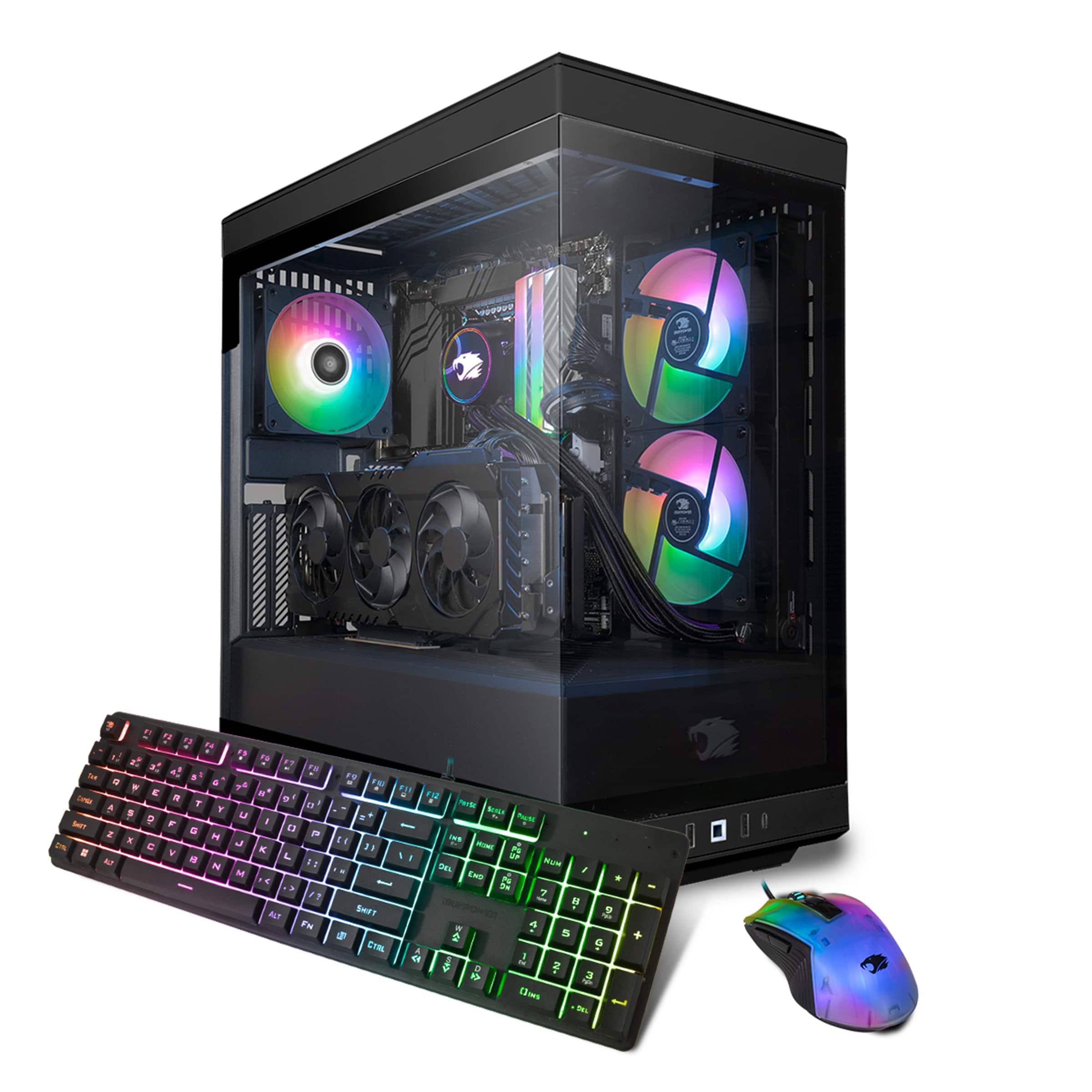

Best Desktop Computers For Call Of Duty 2026 Best Mamba Expert MSI Aegis RS Gaming Desktop 13th Gen Intel Core I7 13700F GeForce RTX 4060 32GB RAM 2TB SSD . Best Intel Core I7 Desktop Computers 2026 Best Mamba Expert Skytech Gaming Shadow Gaming PC Intel I7 12700F 2 1 . 9 Best Desktop Computers For Both Work And Play In 2026 Best Mamba MSI Aegis RS Gaming Desktop Intel Core I7 13700KF RTX 4070 32GB DDR5 2TB 300x225 . Customer Reviews IBUYPOWER Y40 Gaming Desktop PC Intel Core I7 14700KF A3266b56 5510 46d8 Ba52 . ASUS ROG Strix G15 Gaming Desktop PC Intel Core I7 12700F GeForce RTX AC SX679
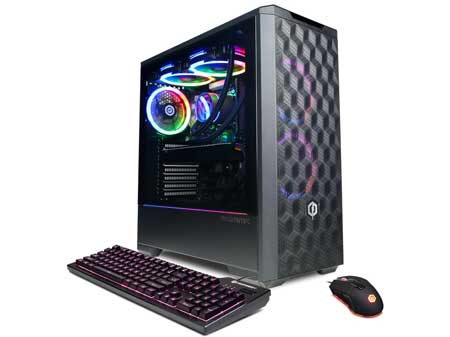



Best Intel Core I7 Desktop Computers 2026 Best Mamba Expert Gamer Xtreme VR Gaming PC Intel Core I7 14700KF 3 . Amazon Com Skytech Gaming Archangel Gaming PC Desktop Intel Core I7 AC . Best Intel Core I7 Desktop Computers 2026 Best Mamba Expert ASUS ROG G16CH 2024 Gaming Desktop PC Intel(R) Core(TM) I7 14700F NVIDIA(R) GeForce RTX(TM) 4060Ti Dual 1TB PCIe(R) Gen4 SSD 300x225 . Gamer Xtreme VR Gaming PC Intel Core I7 14700F 2 1GHz AC SL1500 . Amazon Com Gamer Xtreme VR Gaming PC Intel Core I7 AC SL1500



Amazon Com IPASON Gaming PC Desktop Intel Core I7 12700F 2 1 GHz 71 Ei3rcPAL. AC . Best PC For 2026 For All Purposes From Coding To Gaming To Video AC SL1500 . Amazon Com IBUYPOWER TraceMesh Gaming PC Computer Desktop AC . Gaming Computer Intel I7 11700F 8 Cores Up To 4 9 GHz RTX 3080 32GB Gaming Computer Intel I7 11700F 8 Cores Up To 4 9 GHz RTX 3080 32GB RAM 1TB SSD WiFi BT Windows 11 800W PSU 5379eb50 F48d 4e18 A44d . Amazon Com STGAubron Gaming Desktop PC Intel Core I7 3 4G Up To 3 9G AC SL1500


Best Intel Core I7 Desktop Computers 2026 Best Mamba Expert Lenovo Legion Tower T5 Gaming Desktop Intel Core I7 11700F Processor GeForce RTX 3060 32GB RAM 1TB PCIe SSD 2TB HDD . Amazon Com STGAubron Gaming PC Computer Desktop GeForce GTX 1660 AC SL1200 . Amazon Com Gamer Xtreme Gaming PC Desktop 13th Gen Intel AC . Amazon Com Intel Core I7 14700KF New Gaming Desktop Processor 20 618tWyaIewL . 13th Gen Intel Core I9 13900K Delivers 11 Faster Gaming Performance On 13th Gen Intel Core Processor Key Visual
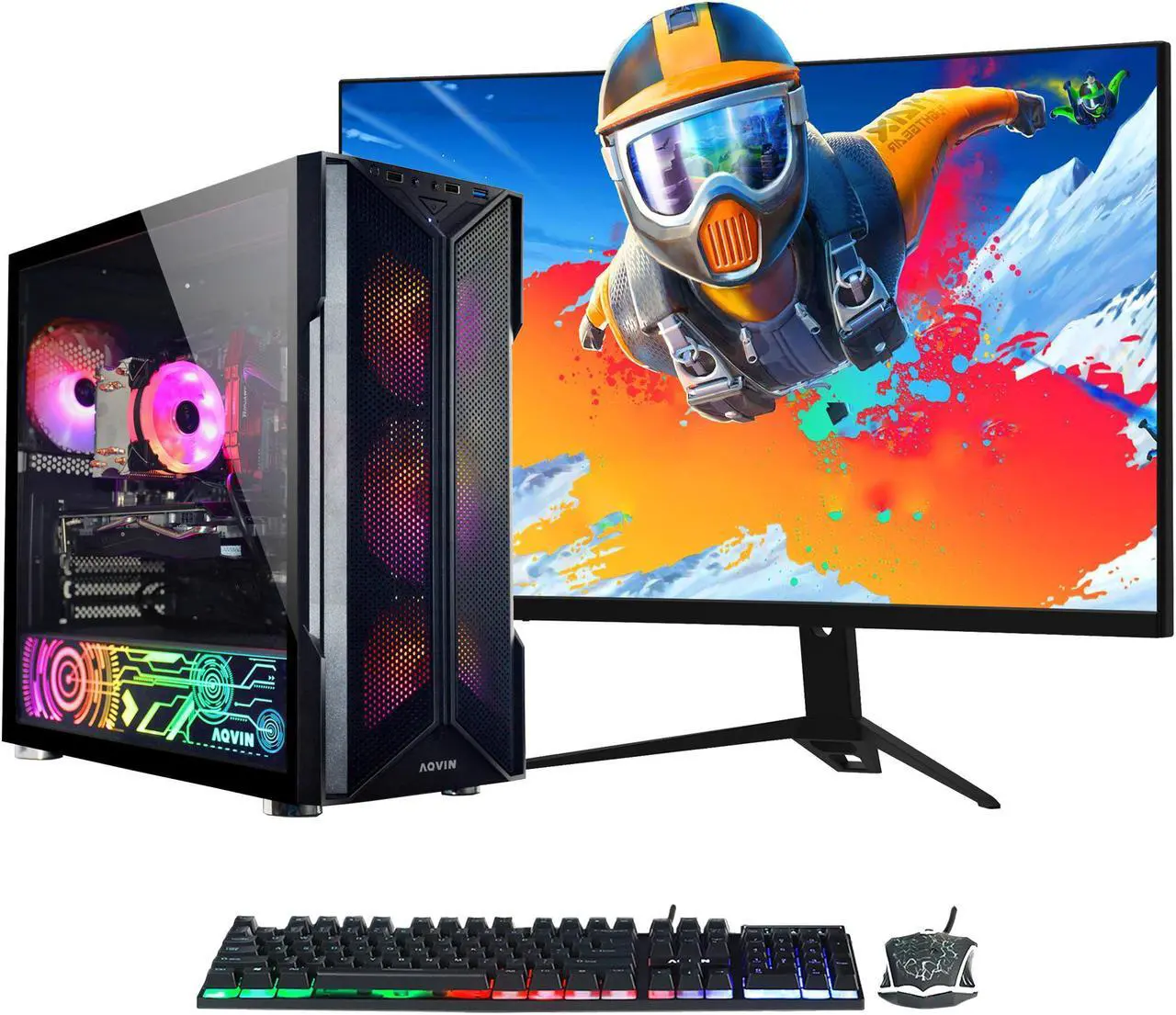
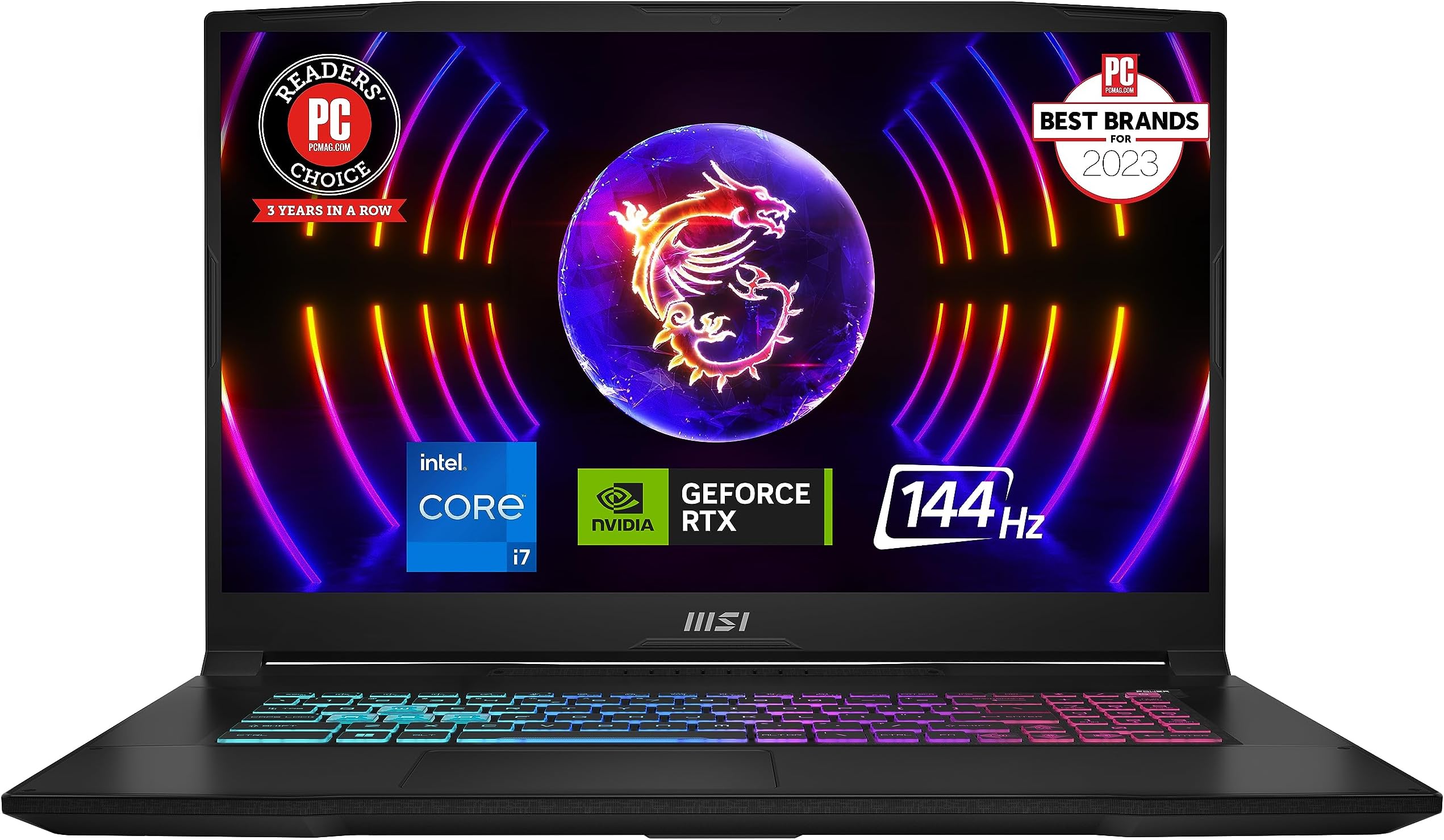
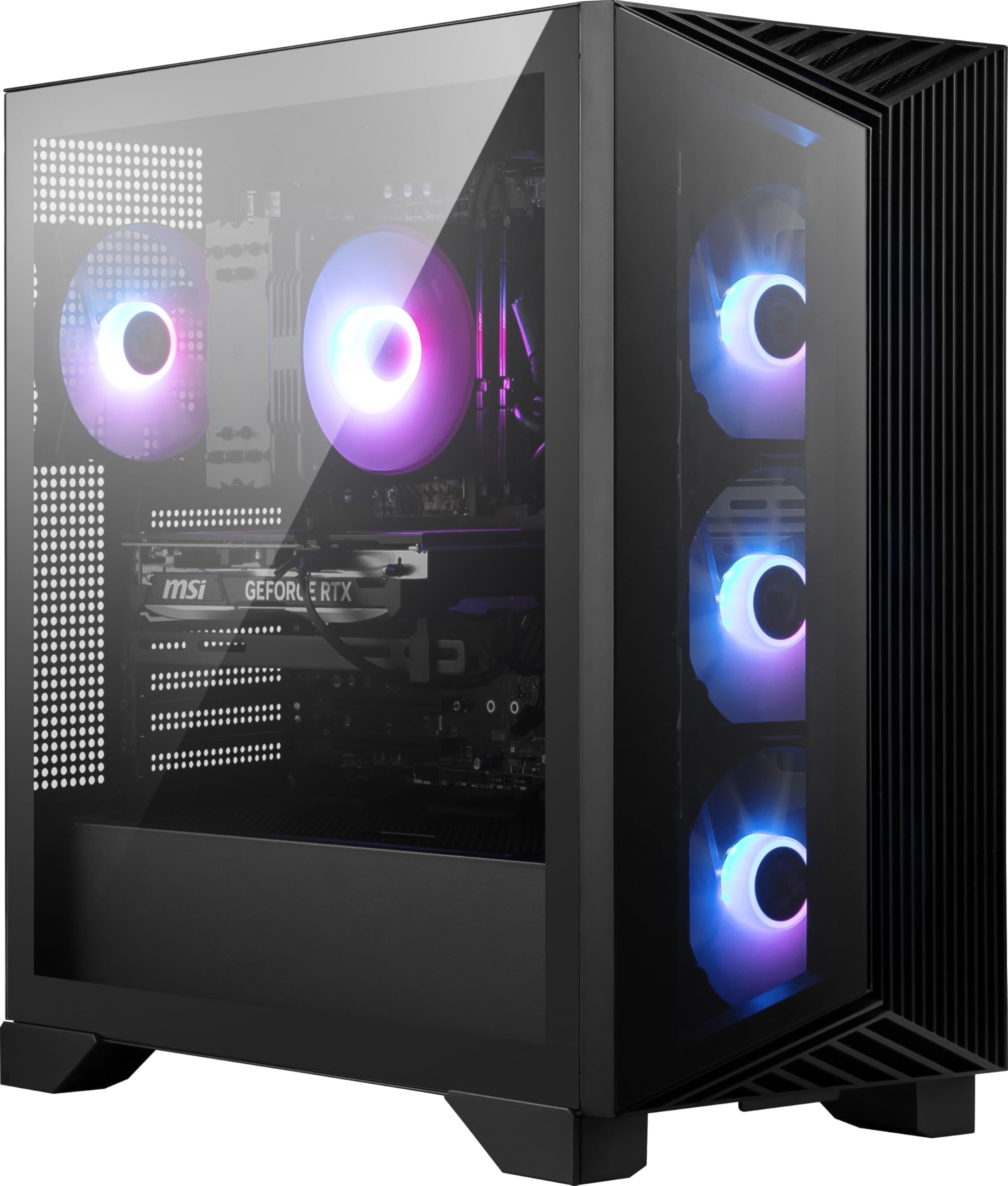
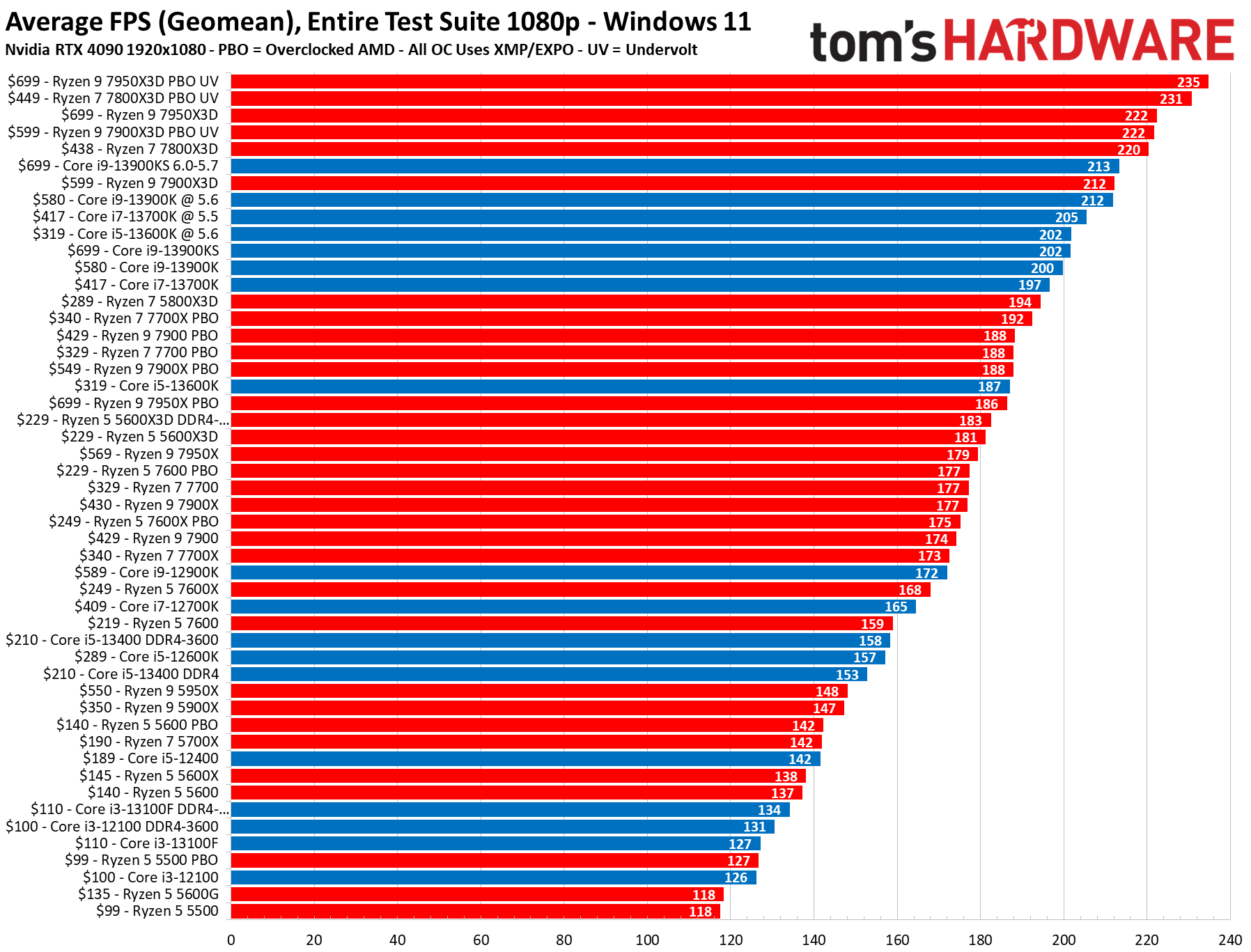

AQVIN AQ20 Gaming Computer Intel I7 Processor Up To 4 60 GHz Nvidia . Amazon Com Dell G15 5530 Gaming Laptop 15 6 FHD 165hz Display AC . Amazon Com STGAubron Gaming PC Computer Desktop GeForce RTX 2060 M 6G AC . ROG Ally Z1 With Radeon 740M IGPU Tested Against Steam Deck In Compute . STGAubron Gaming Desktop PC Intel Core I7 10700F Up To 4 8G 16G DDR4 1T AC SL1000