Embarking on the journey of how to create a gaming community offers a profound way to enhance your gaming experience connecting with like-minded individuals is a cornerstone of modern gaming with 87 percent of US gamers regularly engaging and many dedicating 10 plus hours weekly to their passion. Building your own digital haven provides a dedicated space for shared victories tactical discussions and pure enjoyment away from the noise of public lobbies. This comprehensive guide serves busy adult gamers who seek genuine connection without sacrificing precious family or work time. Learn how to select the ideal platform foster authentic engagement and manage your community effectively ensuring it becomes a valuable extension of your gaming life. Discover strategies for attracting members balancing community growth with personal commitments and even navigating budget-friendly hardware upgrades or game recommendations for limited playtime. We dive into the nuts and bolts from initial setup to long term sustainability offering actionable insights to help you cultivate a thriving supportive and fun gaming environment that truly feels like home.
Related gamesWhat are the first steps to creating a gaming community?
To create a gaming community, first identify your niche (e.g., specific game, playstyle, or demographic). Next, choose a platform like Discord for communication. Establish clear community rules and create essential channels. Finally, invite initial members and actively engage to foster a welcoming environment.
How can I attract members to my new gaming community?
Attract members by promoting your community in relevant gaming forums, subreddits, or social media groups. Ask friends to join and spread the word. Highlight your community's unique niche and positive atmosphere. Host regular events and provide engaging content to showcase your community's value.
What are common mistakes to avoid when building a gaming community?
Avoid lacking a clear vision, neglecting consistent engagement from leadership, inconsistent rule enforcement, and ignoring member feedback. Do not try to appeal to everyone; focus on your niche. These pitfalls can lead to disinterest and a decline in community activity.
How do you keep a gaming community active and engaged long-term?
Keep a gaming community active by organizing regular events like game nights, tournaments, or casual hangouts. Encourage member-generated content and discussions. Foster a positive and inclusive culture where everyone feels heard. Actively participate yourself and adapt activities based on member feedback and current gaming trends.
What tools are essential for managing a Discord gaming community?
Essential tools for a Discord gaming community include moderation bots like MEE6 or Dyno for spam filtering and rule enforcement. Role management bots are crucial for assigning permissions. Consider bots for music playback, polls, or event scheduling to enhance engagement and streamline administrative tasks.
How can I balance managing a gaming community with my personal life and work?
Balancing community management with personal life requires setting clear boundaries. Delegate moderation tasks to trusted members. Schedule specific times for community engagement and avoid constant monitoring. Automate routine tasks with bots. Prioritize self-care and communicate openly with your community about your availability to manage expectations.
What type of content drives the most engagement in a gaming community?
Content that drives the most engagement typically includes interactive elements like polls, challenges, and LFG (Looking For Group) posts. Sharing game news, patch notes, or strategic tips also sparks discussion. User-generated content, such as funny clips, stream highlights, or screenshots from community members, creates a strong sense of belonging and shared experience.
Ever felt that pang of loneliness after a stellar clutch win or a hilarious in-game moment, wishing you had a dedicated crew to share it with? In a world where 87 percent of US gamers play regularly, often logging 10+ hours a week, and social gaming trends continue to dominate across mobile, PC, and console, finding your people is more important than ever. For many of us balancing jobs, families, and life, gaming is a vital outlet for relaxation and fun, but finding a consistent, non-toxic group can be a challenge. We all want a place to truly connect, build skills, and optimize our play without the drama or hype. If you've been craving that perfect gaming squad or a chill space to discuss your favorite titles, it might be time to take control and learn how to create a gaming community that perfectly fits your lifestyle and values.
This guide is for you, the adult gamer who values genuine connections and seeks practical solutions. We'll cut through the noise, offering actionable advice on building a thriving community from the ground up. Say goodbye to random lobbies and hello to your new gaming family. Let's build something awesome together, a place where everyone feels valued and gaming truly becomes a shared joy.
Why should busy gamers bother creating a community?
For adult gamers, time is precious. Creating a community might seem like another commitment, but it offers immense rewards. Beyond just finding people to play with, a dedicated gaming community provides a consistent support system, shared learning opportunities, and a relaxed environment where you can truly unwind. Instead of sifting through public forums or unstable groups, you have a curated space tailored to your interests and schedule. This means less frustration, more genuine friendships, and a higher quality gaming experience, perfect for those limited gaming windows after work or once the kids are asleep.
What kind of gaming community is right for me and my time constraints?
The best community for you reflects your gaming style and available time. Consider a niche focus if your time is limited. Are you into cozy indie games, specific MMO raids, a particular competitive title, or just casual co-op? Defining your niche attracts members with similar interests and time commitments, making management easier. For example, a community focused on 'casual weekend Overwatch players' will attract different members than one for 'hardcore nightly WoW raiders.' Reflect on your own gaming habits: what games do you play, when do you play, and what do you hope to get out of your gaming experience?
How do I choose the best platform for my gaming community?
Choosing the right platform is crucial for your community's success. Discord is the reigning champion for most gaming communities, offering voice chat, text channels, event scheduling, and robust moderation tools. Other options include guild systems within specific games (like in Elder Scrolls Online or Final Fantasy XIV), private Facebook groups, or dedicated subreddits. For cross-play heavy gamers or those balancing multiple platforms, Discord's versatility is often unmatched. Consider your target games and how your members typically communicate. A mobile-first community might leverage in-game chat or specific mobile gaming apps, while PC players will often default to Discord.
What are the first steps to setting up a new gaming community?
Once you have a niche and platform, initial setup involves a few key steps. First, create your platform space (e.g., a Discord server). Next, define clear, concise rules that promote a positive and respectful environment – think basic guidelines against toxicity, spam, and harassment. Set up essential channels for general chat, game-specific discussions, LFG (Looking For Group), and announcements. Craft an appealing server name and description that clearly states your community's purpose and vibe. An onboarding process that introduces new members to rules and channels can significantly improve retention and initial engagement.
How can I attract the right members to my gaming community?
Attracting the right members is more about quality than quantity. Start by inviting friends and family who share your gaming interests. Utilize existing gaming spaces where your target audience hangs out – this could be specific game forums, related subreddits, or even in-game chats (respectfully, of course). Share your community link on your social media channels or any content you create (streams, videos). Highlight what makes your community unique: is it a chill vibe, a focus on specific strategies, or a welcoming space for new players? Being authentic about your community's mission will attract like-minded individuals.
What kind of content and activities keep a gaming community engaged?
Engagement is the lifeblood of a thriving community. Regular, varied activities keep members coming back. This could include:
- Organized game nights for specific titles
- Casual voice chat sessions while playing solo games
- Community challenges or tournaments (even small, friendly ones)
- Discussions on game news, patch notes, or upcoming releases
- Sharing funny clips, screenshots, or stream highlights
- Hosting non-gaming hangouts, like movie nights or general chat
Encourage members to suggest activities and create content themselves. Remember, a 2026 gaming trend shows increased interest in social/cozy games and casual multiplayer experiences, so tailor activities to these trends and your community's preferences.
How do I manage and moderate a gaming community effectively?
Effective management and moderation are key to maintaining a safe and welcoming space. Clearly communicate your rules and enforce them consistently but fairly. Utilize moderation bots on platforms like Discord to help with spam filtering, role assignment, and even rule enforcement. Empower trusted, active members to assist with moderation tasks, delegating responsibilities as your community grows. Regularly check in with your members for feedback on the community's health and atmosphere. Address issues promptly and transparently to build trust and ensure everyone feels heard and respected.
What are common pitfalls to avoid when building a gaming community?
Building a community isn't without its challenges. Avoid these common pitfalls:
- Lack of Clear Vision: Without a defined niche or purpose, your community can feel aimless and fail to attract dedicated members.
- Inconsistent Engagement: If you, as the founder, aren't active, members will disengage. Lead by example.
- Over-moderation or Under-moderation: Too strict, and people feel stifled; too lax, and toxicity can run rampant. Find a balance.
- Ignoring Feedback: Your members are your community's core. Listen to their suggestions and concerns.
- Trying to Be Everything to Everyone: Focus on what you do best and who you serve.
Remember, growth takes time. Don't get discouraged by slow beginnings; focus on building a strong foundation.
How can I monetize or sustain my gaming community long-term?
For most personal communities, direct monetization isn't the primary goal, but sustainability can be achieved through various means. If your community provides significant value, you might consider:
- Optional Patreon/Ko-fi: For members who want to support server costs or events.
- Affiliate Links: Discreetly share links for hardware, games, or accessories relevant to your community if you have a content component.
- Merchandise (small scale): If there's high demand for unique community branding.
- Sponsorships: As your community grows significantly, small, relevant brand sponsorships might be an option.
Always prioritize member experience over monetization, ensuring any efforts align with your community's values and don't feel intrusive. Value for money is key for our audience, so make sure any support offers genuine benefits back to the community.
How do I balance community management with my own gaming and life?
This is perhaps the biggest challenge for adult gamers. The key is setting boundaries and delegating. Schedule dedicated times for community tasks like checking messages, planning events, and moderating. Don't feel pressured to be online 24/7. Empower trusted moderators to help manage the day-to-day. Automate tasks where possible using bots. Most importantly, remember why you started gaming in the first place: to have fun and relax. If community management becomes a chore, it defeats the purpose. Be realistic about your capacity and communicate openly with your members about your availability.
The digital world offers incredible opportunities to connect, and building your own gaming community is a rewarding endeavor that can enrich your gaming life immensely. From finding that perfect squad for a late-night raid to simply having a supportive space to unwind, a well-curated community can transform your experience. By focusing on a clear vision, choosing the right platform, and fostering genuine engagement, you can create a lasting haven for like-minded gamers. It requires dedication, but the friendships and shared experiences you gain are truly invaluable.
What's your biggest gaming challenge when it comes to finding or building a community? Comment below and share your thoughts!
FAQ Section
Q: How long does it take to build a thriving gaming community?
A: Building a thriving community takes time, often several months to a year or more, depending on your niche and dedication. Consistency in engagement and patience are key for organic growth.
Q: Is it better to focus on one game or multiple games for a community?
A: For initial growth, focusing on one or a few closely related games is often easier. It helps define your niche and attract specific players. As you grow, you can expand to include other titles if your community expresses interest.
Q: What are the best ways to keep a gaming community safe from toxicity?
A: Strong, clearly communicated rules, consistent moderation (manual and bot-assisted), and fostering a culture of respect are essential. Address issues promptly and provide avenues for members to report concerns confidentially.
Q: Can I build a successful gaming community without streaming or creating content?
A: Absolutely! While content creation can help attract members, many successful communities thrive purely on shared gameplay, discussions, and social interaction. Organic word-of-mouth and active participation are powerful tools.
Are there any free tools to help manage a gaming community?
Yes, many excellent free tools are available. Discord itself is free, offering robust features. Bots like MEE6, Dyno, or Carl-bot provide free tiers for moderation, role management, and custom commands. Google Forms can be used for surveys, and Trello or similar project management tools can help organize events and tasks within your mod team.
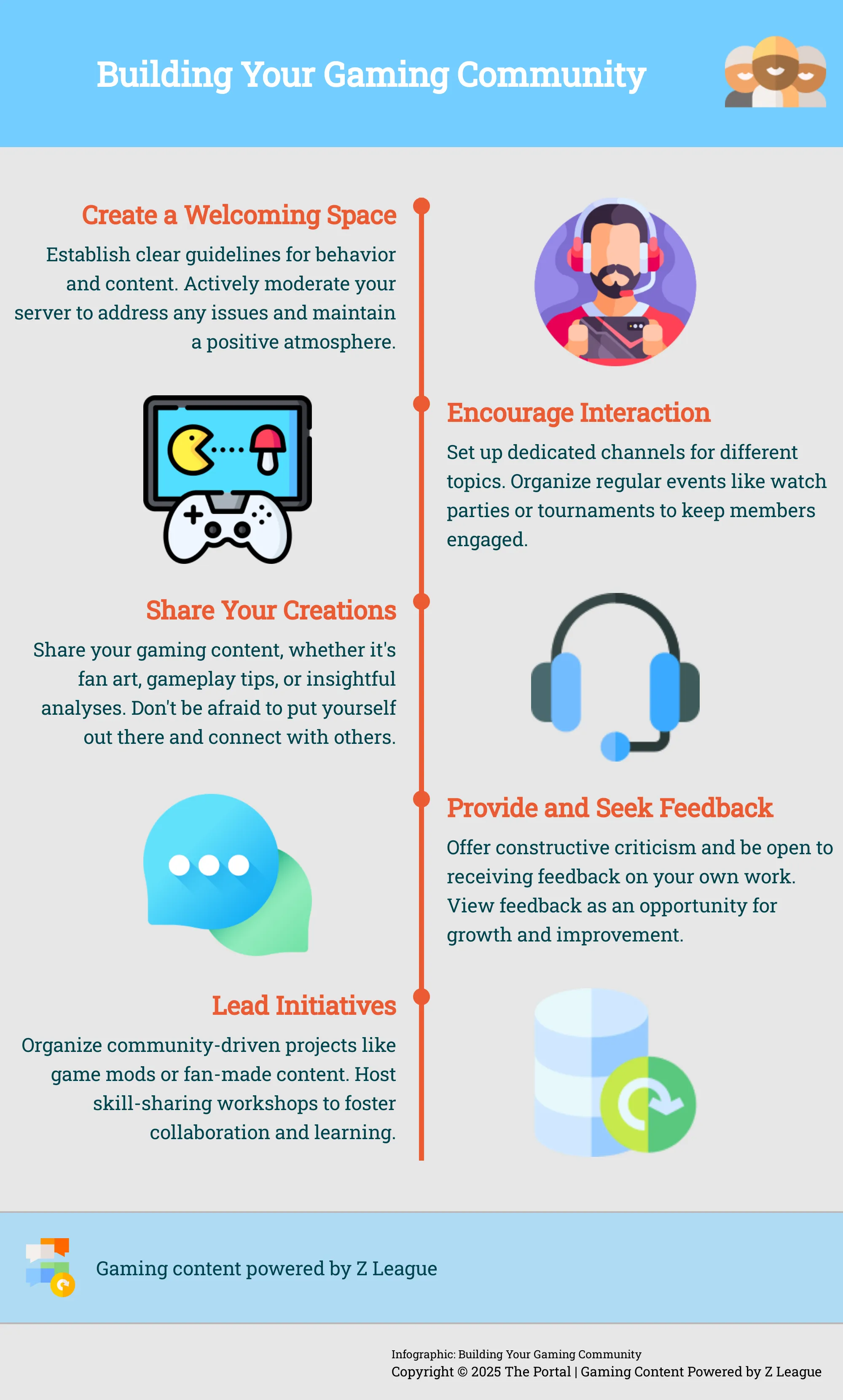
Choose Your Niche Pick a Gaming Platform Setup Your Community Rules Attract Engaged Members Foster Interaction Moderate Effectively Balance Life and Gaming Explore Monetization Options Stay Relevant
34

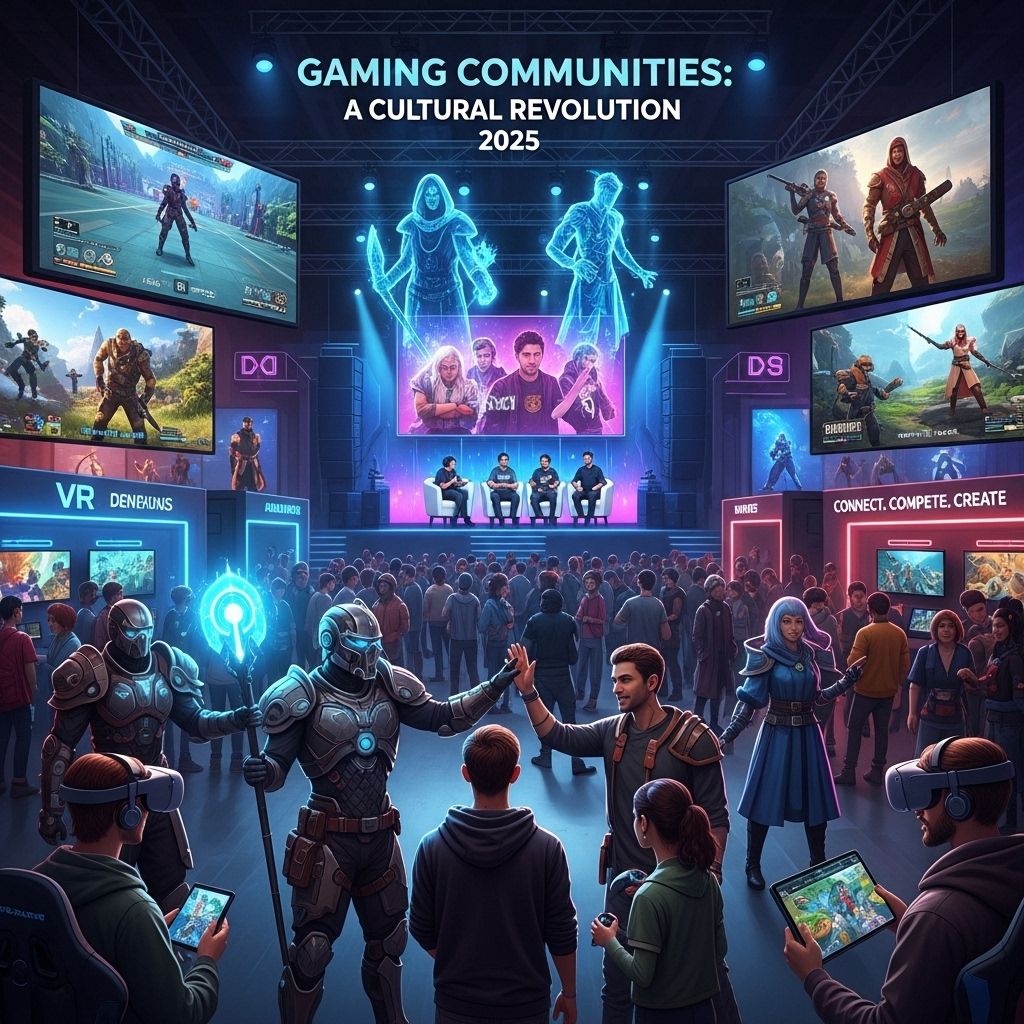
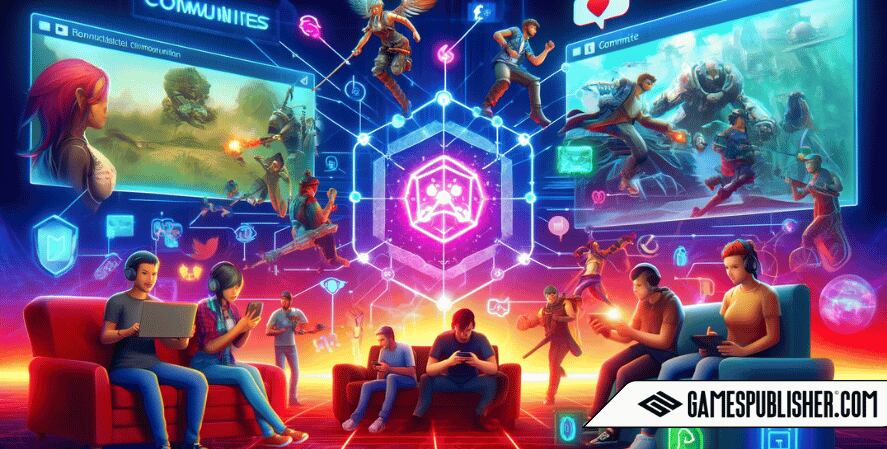
Gaming Community Growing Plan PDF Sports Recreation Games 1. How To Join Or Create A Gaming Community How To Join Or Create A Gaming. How Gamers Are Building Thriving Social Communities 1200x630. Gaming Communities A Cultural Revolution In 2025 Graphic Eagle Gaming Communities Cultural Revolution . How To Build A Loyal Game Community A Developer S Guide Game Communities



BlizzCon 2026 Community Night Celebrates Cosplay Art Film And More BlizzCon 2026 Community Night Celebrates Cosplay Art Film And More Article By Esportsgg Images Via Blizzard February 26 2026 640x360 . How To Build A Thriving Online Gaming Community How To Build A Thriving Online Gaming Community 1024x536 . Early Stage Gaming Community Seed Member Acquisition Kbsm Org Early Stage Gaming Community Seed Member Acquisition Guide 768x432 . Best Practices For Gaming Community Building Strategies For Success Best Practices For Gaming Community Building . How To Create A Gaming Community Website In Wordpress YouTube

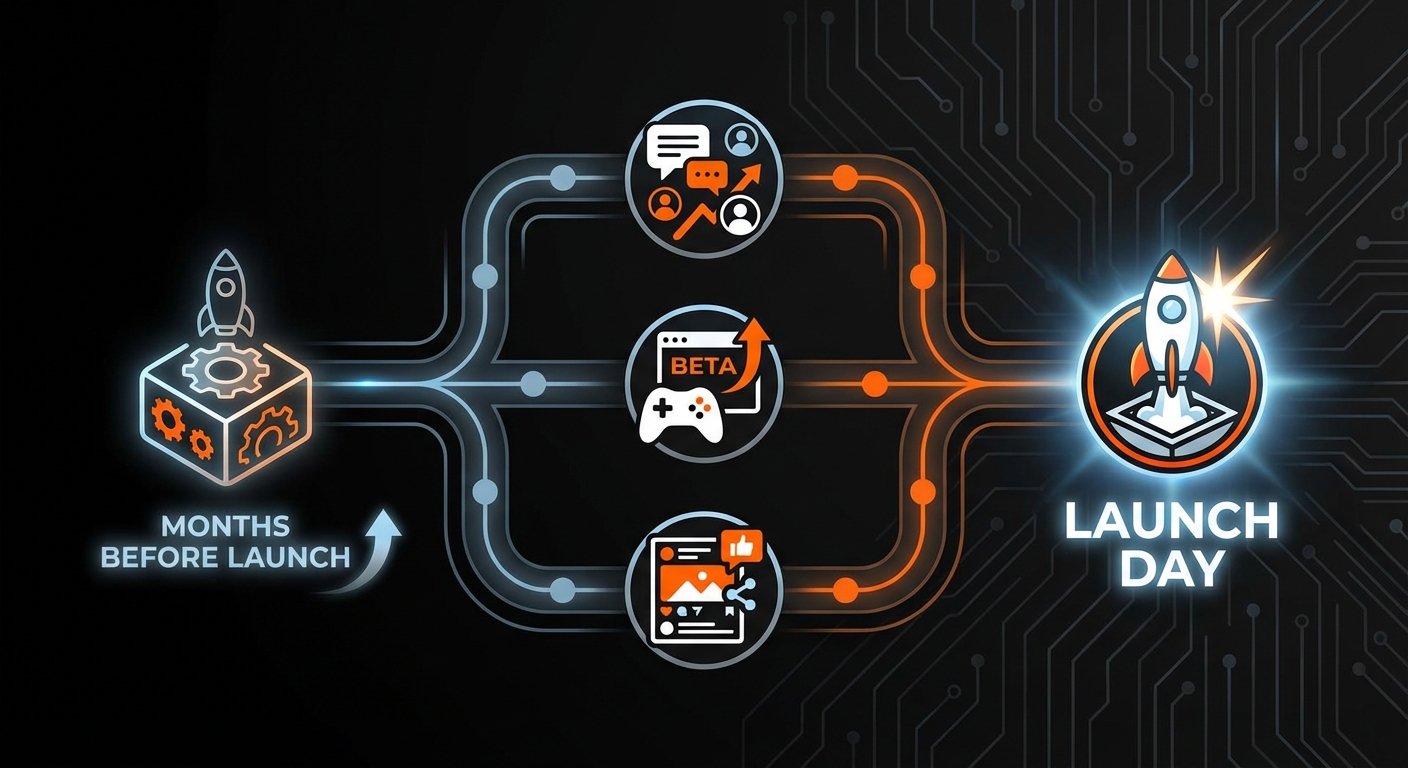
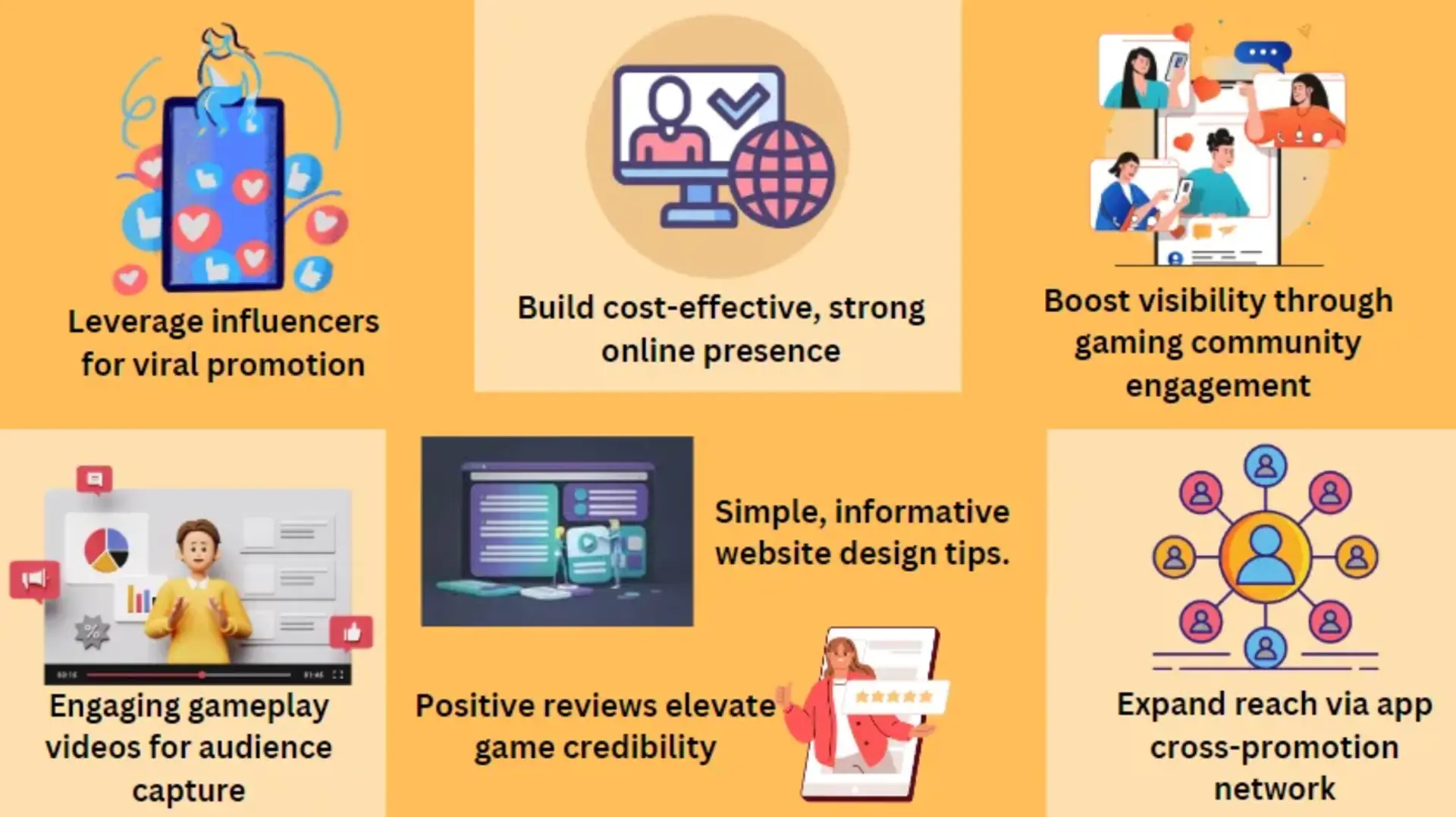
January 2026 Community Updates OAX Foundation OAX Community Updates Jan 2026 . How Gaming Communities Shape Online Social Dynamics Media Watch Gaming Communities Shape Online Social Dynamics . How To Promote Your Game In 2026 A Step By Step Guide Mentionable 1771048872 . How To Build A Community In 2026 7 Proven Steps Image. Game Marketing Strategies A Complete Guide For Beginners 2026 Strategies To Promote Your Game Website 1.webp


Online Gaming Communities WePlay Esports Media Holding . How To Promote Your Game In 2026 A Step By Step Guide Mentionable 1771048871 . How To Create A Group On Roblox 2026 Make Roblox Group YouTube . ROBLOX GAMES 2026 Tier List Community Rankings TierMaker Roblox Games 2026 15759269 2 1779470794 . ROBLOX GAMES 2026 Tier List Community Rankings TierMaker Roblox Games 2026 15759269 2 1779815419


2026 Community Impact Project Living Life Church Green Yellow Corporate Project Proposal . The Future Of Game Communities And How We Avoid It YouTube . Playee Gabros The Ultimate Gaming Ecosystem Gamota Top Gaming Community Building Strategies For Pro Featured Image . Build Games Foster Communities E665d3b7 96f1 437d 9bca . How To Build A Thriving Gaming Community Build Bonding Community 1 400x225

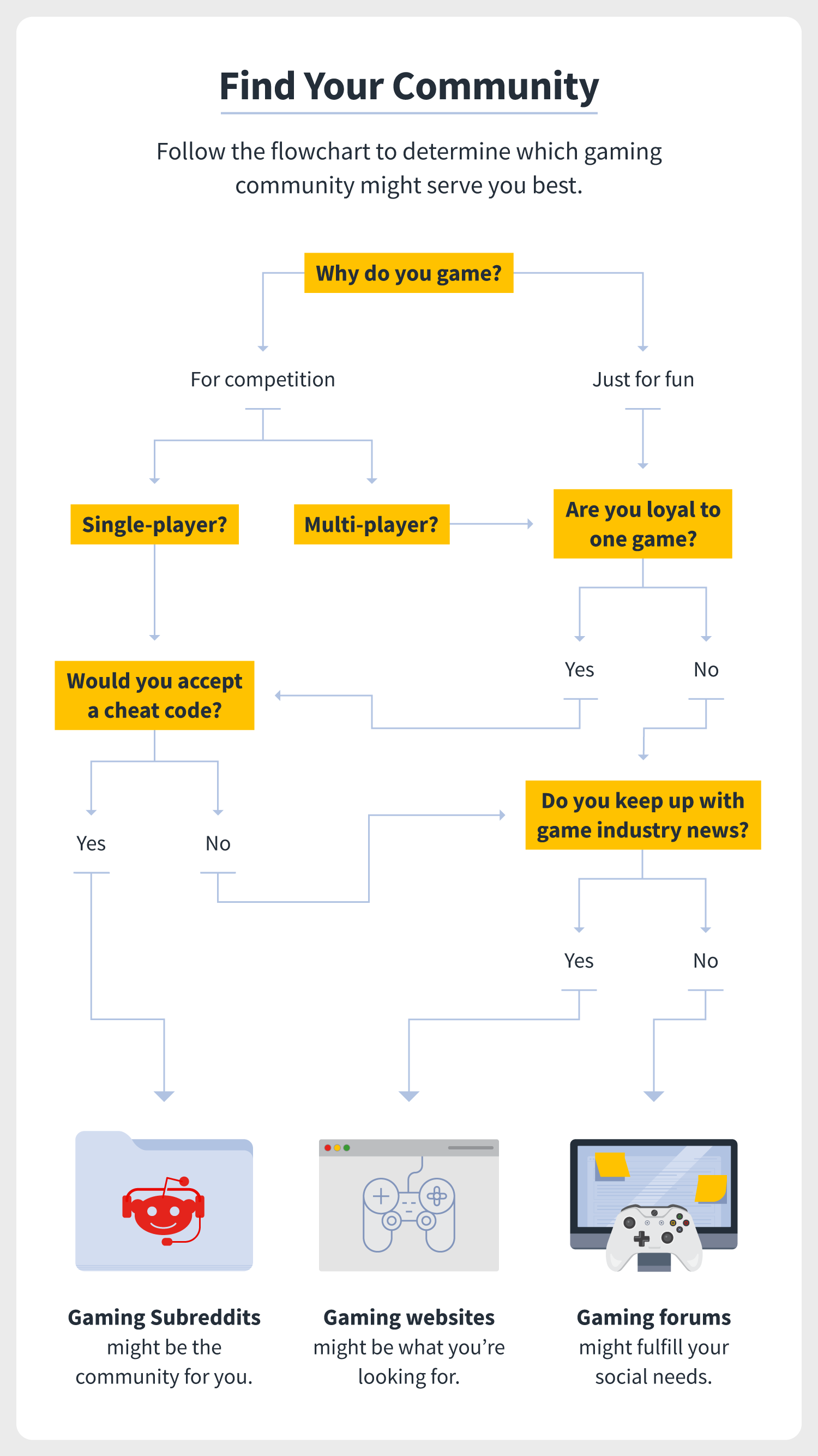
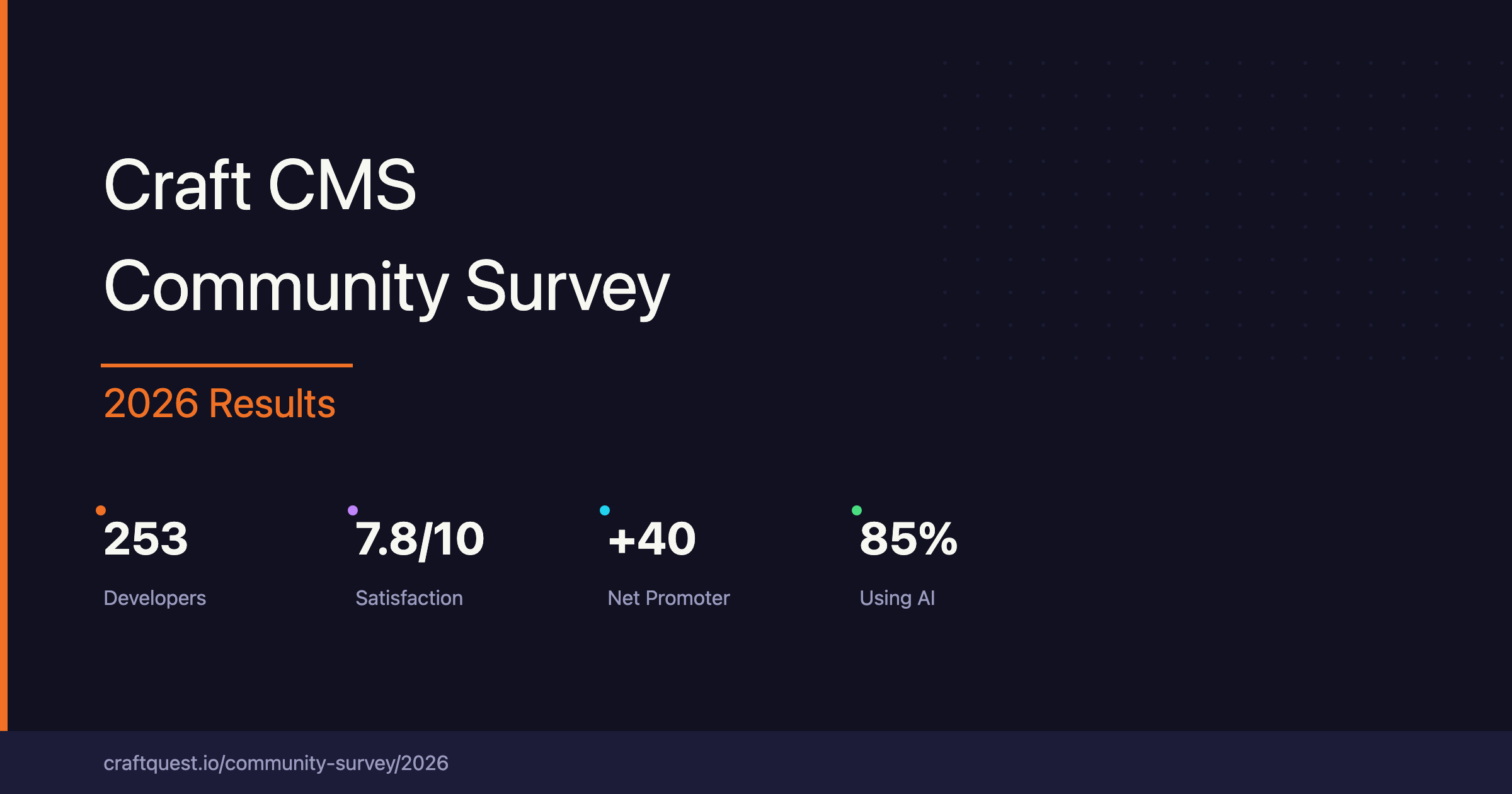

Video Game Communities Fostering Connection And Competition SDLC Corp Video Game Communities Fostering Connection And Competition 1 1536x864 . How To Create A Gaming Community Website With WordPress Free How To Create A Gaming Community Website For Free Using WordPress 1024x508 . 32 Gaming Communities To Enrich Your Gameplay 2 Find Your Community . Craft CMS Community Survey 2026 Social Card . BlizzCon 2026 Community Night Celebrates Cosplay Art Film And More BlizzCon 2026 Community Night Celebrates Cosplay Art Film And More Article By Esportsgg Images Via Blizzard February 26 2026 2 968x544
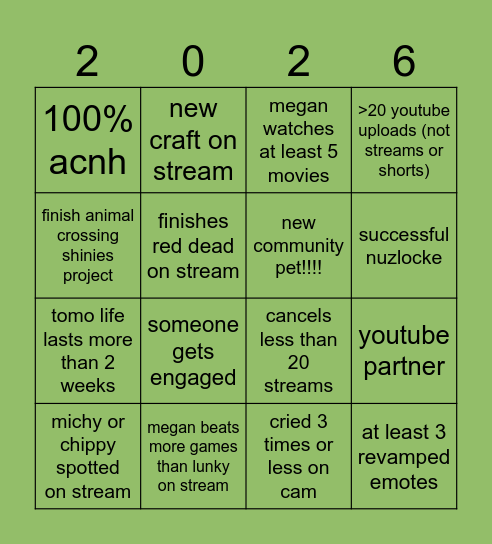
Community 2026 Bingo Card Community 2026 . The Power Of Community In Gaming Building Your Gaming Community. How To Create A Gaming Community Website Wbcom Designs Create A Gaming Community Website 1200x675 . Community Days Modern Endpoint Management Summit 2026 EMEA EDITION Image