Ever wondered if upgrading to a Solid State Drive truly revolutionizes your gaming experience? This comprehensive guide dives deep into the world of SSDs and their impact on modern gaming. For the average US gamer, around 36 years old, who balances work, family, and a passion for virtual worlds, every minute counts. Slow load times and stuttering can disrupt valuable relaxation or social gaming sessions. We break down exactly how a Solid State Drive improves gaming, from lightning-fast game loads to smoother multitasking and overall system responsiveness. Discover practical tips for choosing and installing an SSD that fits your budget and lifestyle, ensuring you get the most value for your hard-earned cash without falling for marketing hype. Learn how an SSD helps you stay current with trending titles and optimize your setup for peak performance, allowing you more time to enjoy the fun and skill-building aspects of gaming without frustrating technical hurdles. This resource is designed for busy individuals seeking clear, actionable advice to enhance their digital adventures and solve common performance problems, making your gaming time more rewarding and efficient.
Q: What are the top 5 natural questions US gamers are asking about SSDs and gaming?
A: 1. Does upgrading to an SSD really make my games load faster? 2. Is an NVMe SSD worth the extra cost over a SATA SSD for gaming? 3. Can an SSD improve my FPS or just loading screens? 4. How much SSD storage do I need for my game library? 5. Is it difficult to install an SSD in my gaming PC or console?
Q: How does a Solid State Drive specifically improve game loading times?
A: A Solid State Drive improves game loading times by eliminating the mechanical bottleneck of traditional Hard Disk Drives. HDDs use spinning platters and read/write heads that physically move to access data, causing delays. SSDs, however, use NAND flash memory, allowing for instantaneous electronic access to data. This means game files, textures, and levels can be read and transferred to your system's RAM significantly faster, leading to drastically reduced loading screens and quick transitions within games. This direct speed advantage is why many gamers prioritize an SSD for their primary game storage.
Q: Will an SSD make my entire gaming PC feel faster, beyond just game loads?
A: Absolutely. Beyond just improving game loading, an SSD will make your entire gaming PC feel much snappier and more responsive. Your operating system will boot up in seconds, applications will launch almost instantly, and general file transfers will be noticeably quicker. For gamers who often multitask—perhaps streaming, chatting on Discord, or browsing game guides while playing—the overall system responsiveness provided by an SSD ensures a smoother experience across the board. It truly eliminates that frustrating lag often associated with HDD-based systems, enhancing productivity and enjoyment even outside of gaming.
Q: Is an NVMe SSD a necessary upgrade for competitive or esports gaming in 2026?
A: While not strictly 'necessary' for all competitive gaming, an NVMe SSD provides a significant advantage that can be crucial in fast-paced esports titles. In games where every millisecond counts, an NVMe's superior read/write speeds mean you load into matches faster than opponents, access crucial in-game assets without delay, and experience minimal texture pop-in. This can give you a crucial edge, preventing any storage-related hitches that could impact performance during critical moments. For serious competitors and streamers, the investment in an NVMe drive is often considered a standard optimization for peak performance and a seamless experience.
Q: What's the best way to manage game installations with limited SSD space?
A: Managing game installations with limited SSD space involves prioritizing your most played and demanding titles for the SSD. For instance, put your primary online multiplayer game, current single-player obsession, or any title known for long loading screens on the SSD. For older, less frequently played, or graphically lighter games, consider installing them on a larger, more affordable HDD if you have one. Many game launchers, like Steam or Epic Games Store, allow you to easily move game files between drives without reinstalling. Regularly review your game library and uninstall titles you no longer play to free up valuable SSD real estate, especially with new releases trending this month.
Q: Does an SSD help with game streaming or content creation on a gaming PC?
A: Yes, an SSD significantly helps with game streaming and content creation. When streaming, the system needs to simultaneously run a game, encode video, and manage streaming software. A fast SSD ensures that the game data is loaded efficiently, reducing any potential bottlenecks that could lead to frame drops or stuttering for viewers. For content creators, an SSD drastically speeds up video editing, rendering, and loading large project files. It makes multitasking smoother, allowing you to record high-quality gameplay without storage-related performance dips, leading to a much more professional and less frustrating workflow for both gaming and creative pursuits.
Q: How do SSDs impact console gaming experience on Xbox or PlayStation?
A: SSDs have profoundly impacted console gaming, particularly with the current generation (PS5, Xbox Series X/S) being built around NVMe SSDs. This integration is why these consoles boast near-instantaneous load times, seamless transitions between game worlds, and 'quick resume' features. Even for older consoles like PS4 or Xbox One, replacing the internal HDD with a SATA SSD dramatically cuts down loading screens and improves overall system responsiveness. For many US gamers who enjoy cross-play between PC and console, the SSD experience is now consistent across platforms, ensuring a premium, low-wait gaming session regardless of where they choose to play.
Q: Are there specific SSD brands or models recommended for gaming performance and reliability?
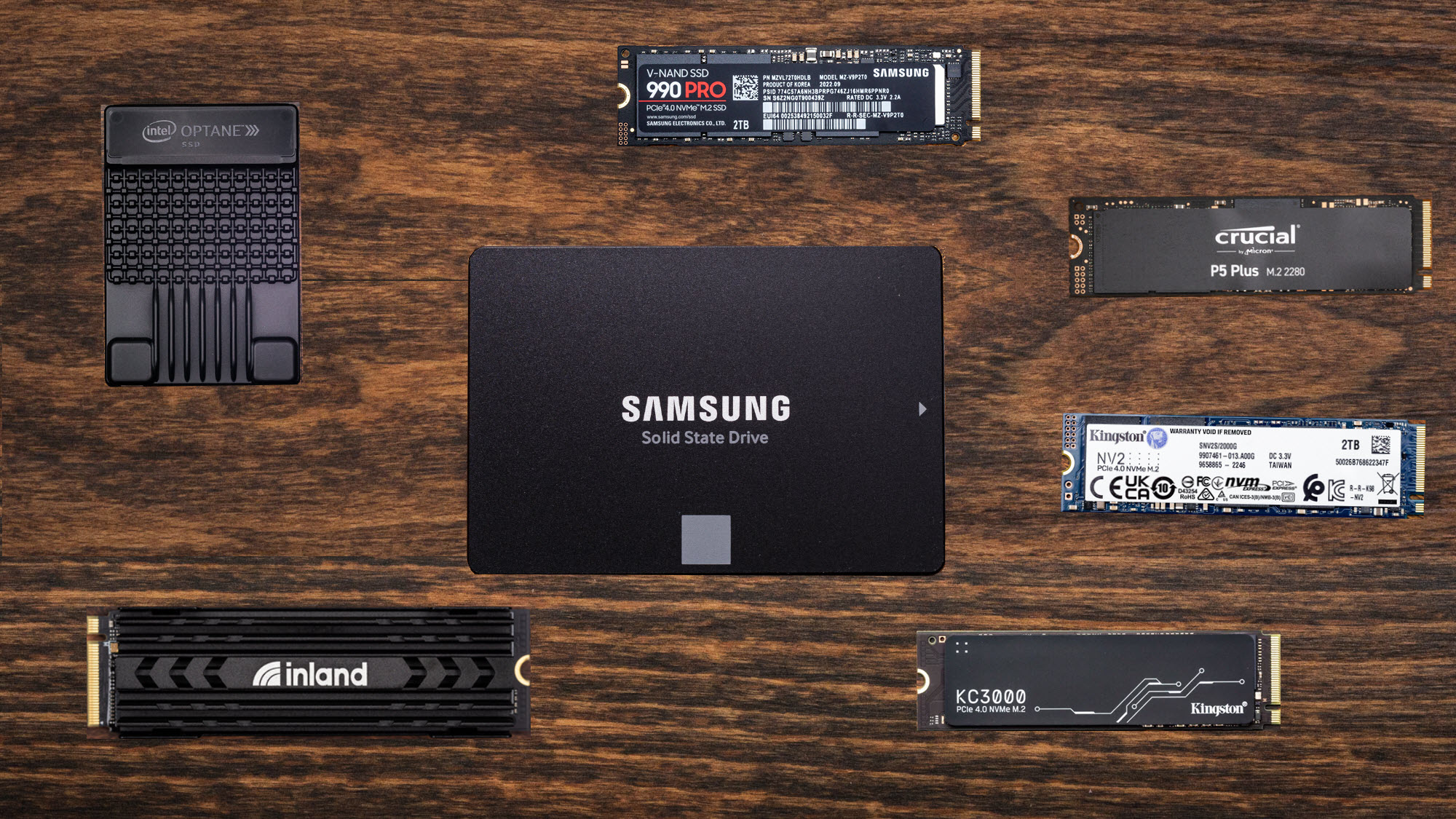
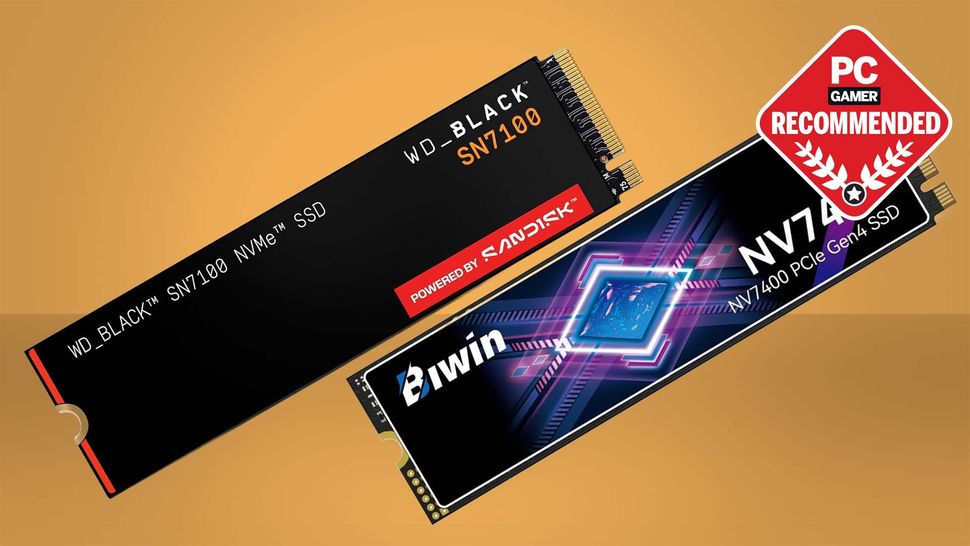
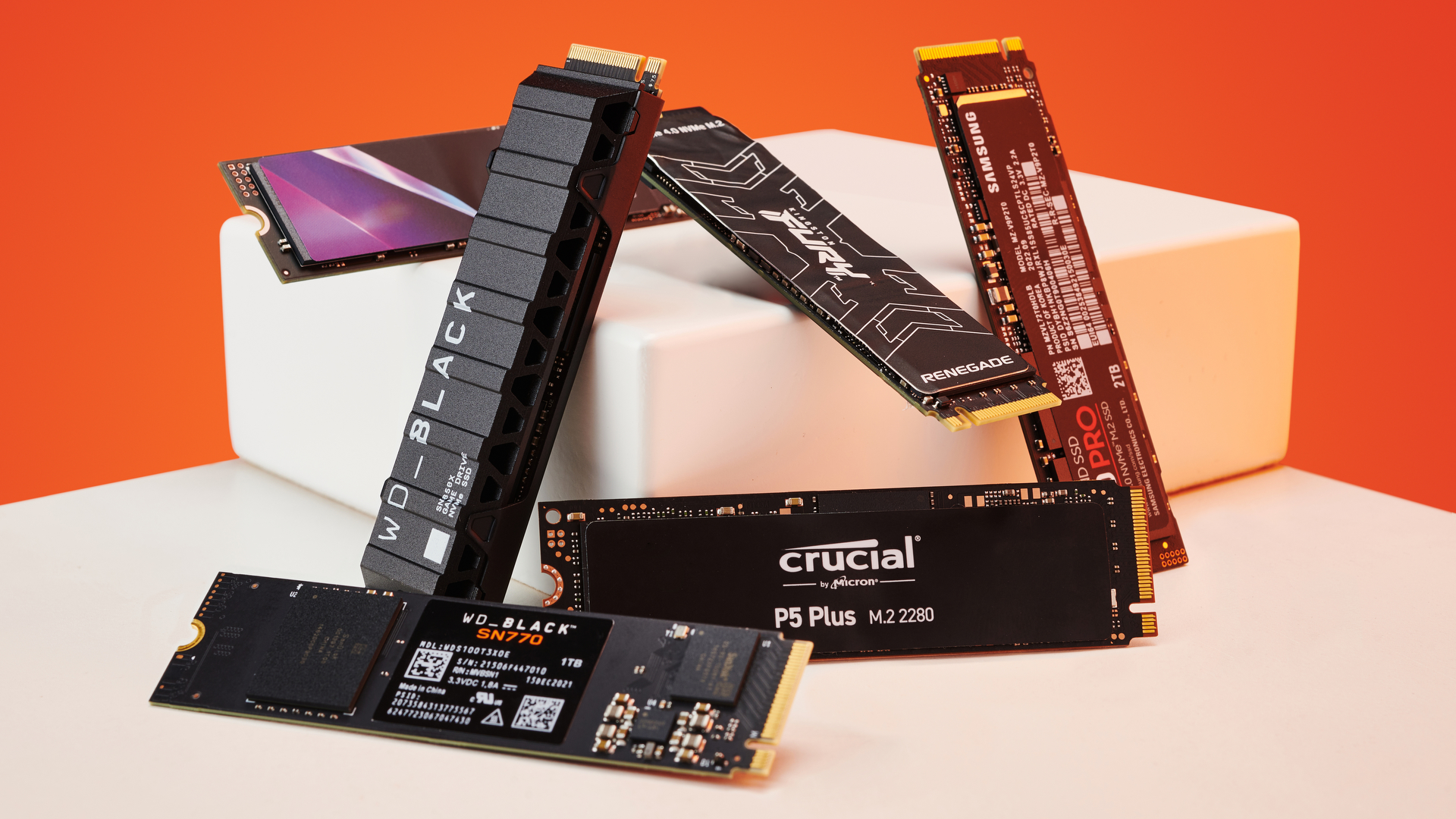
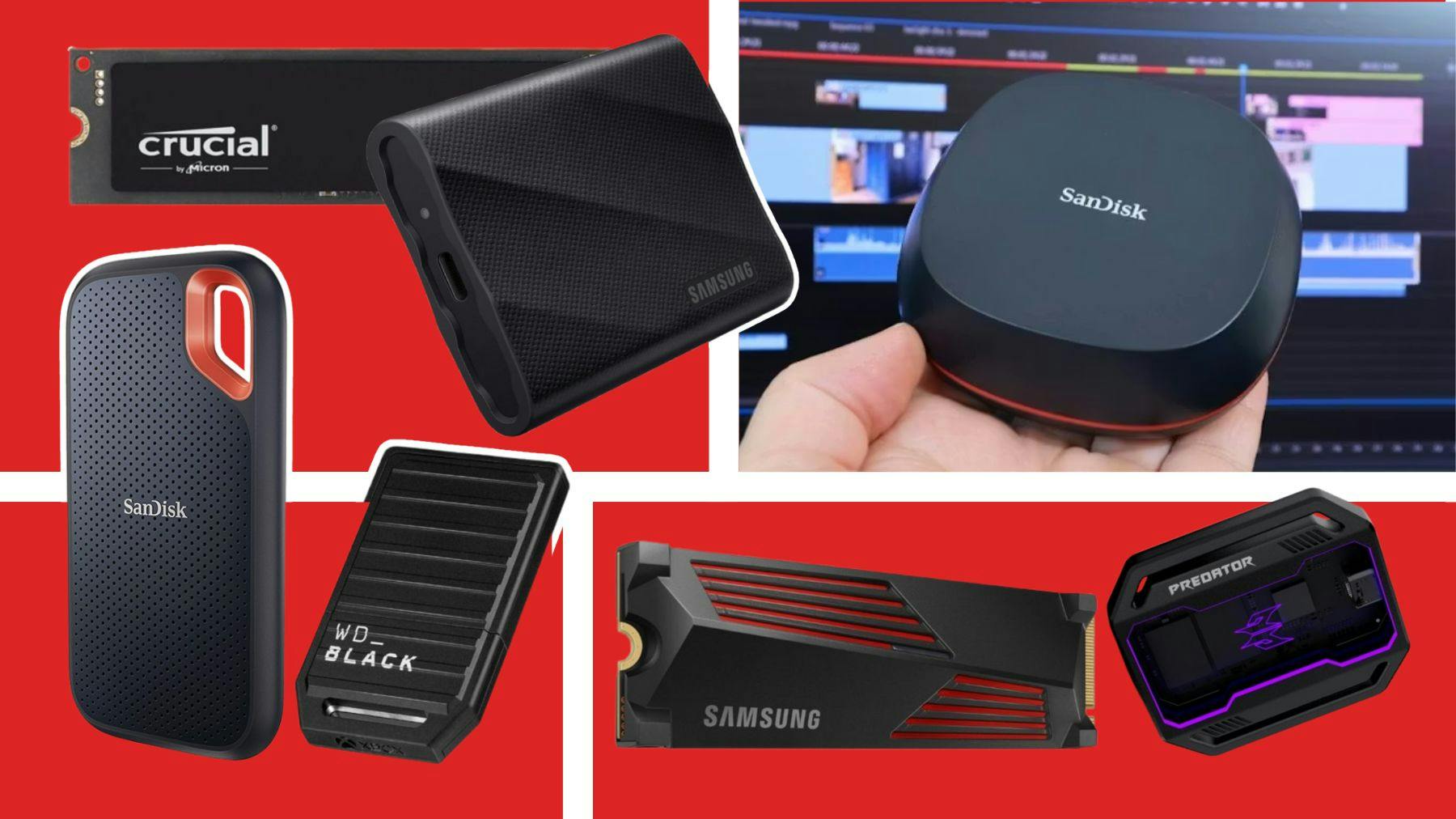
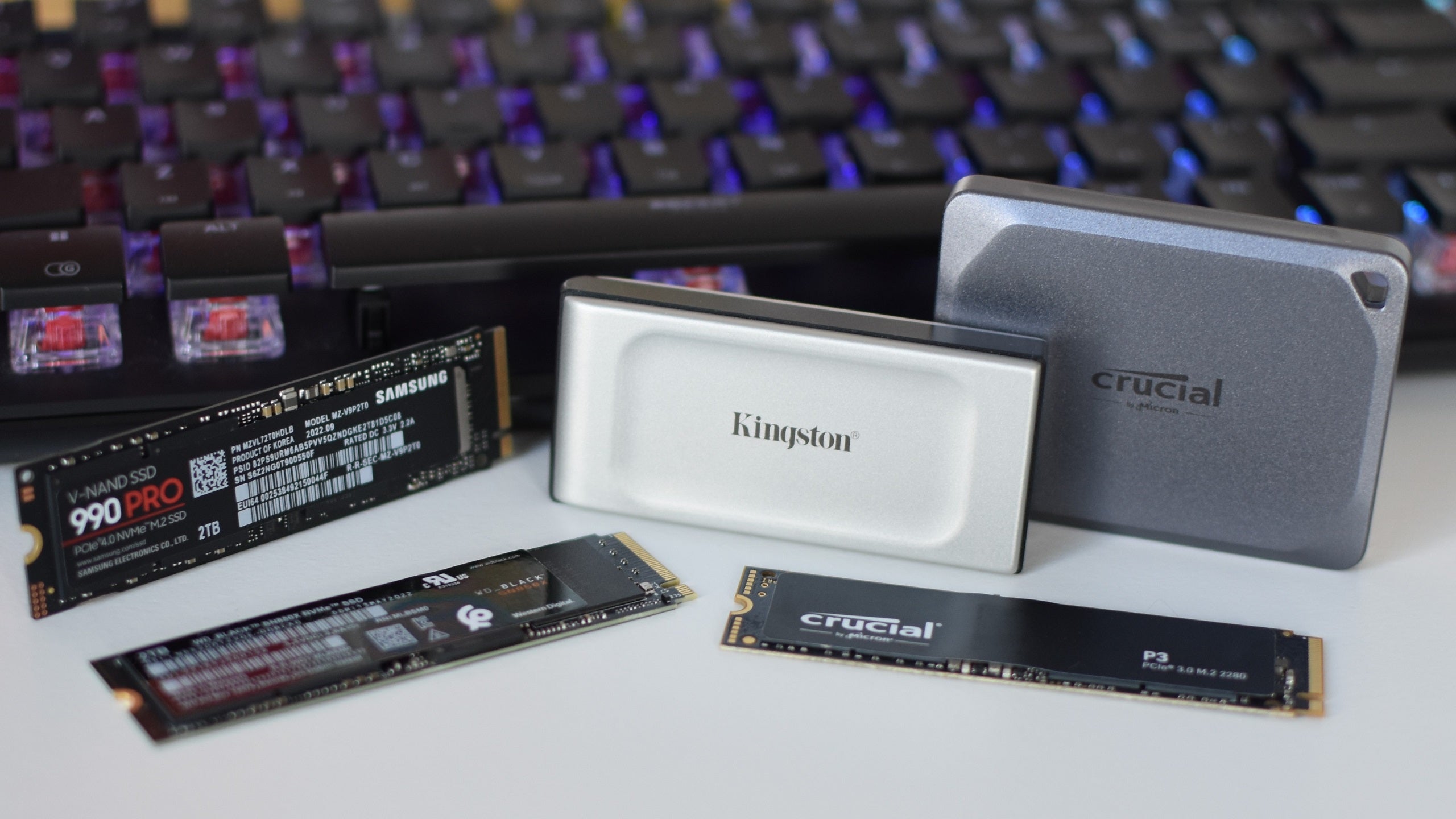
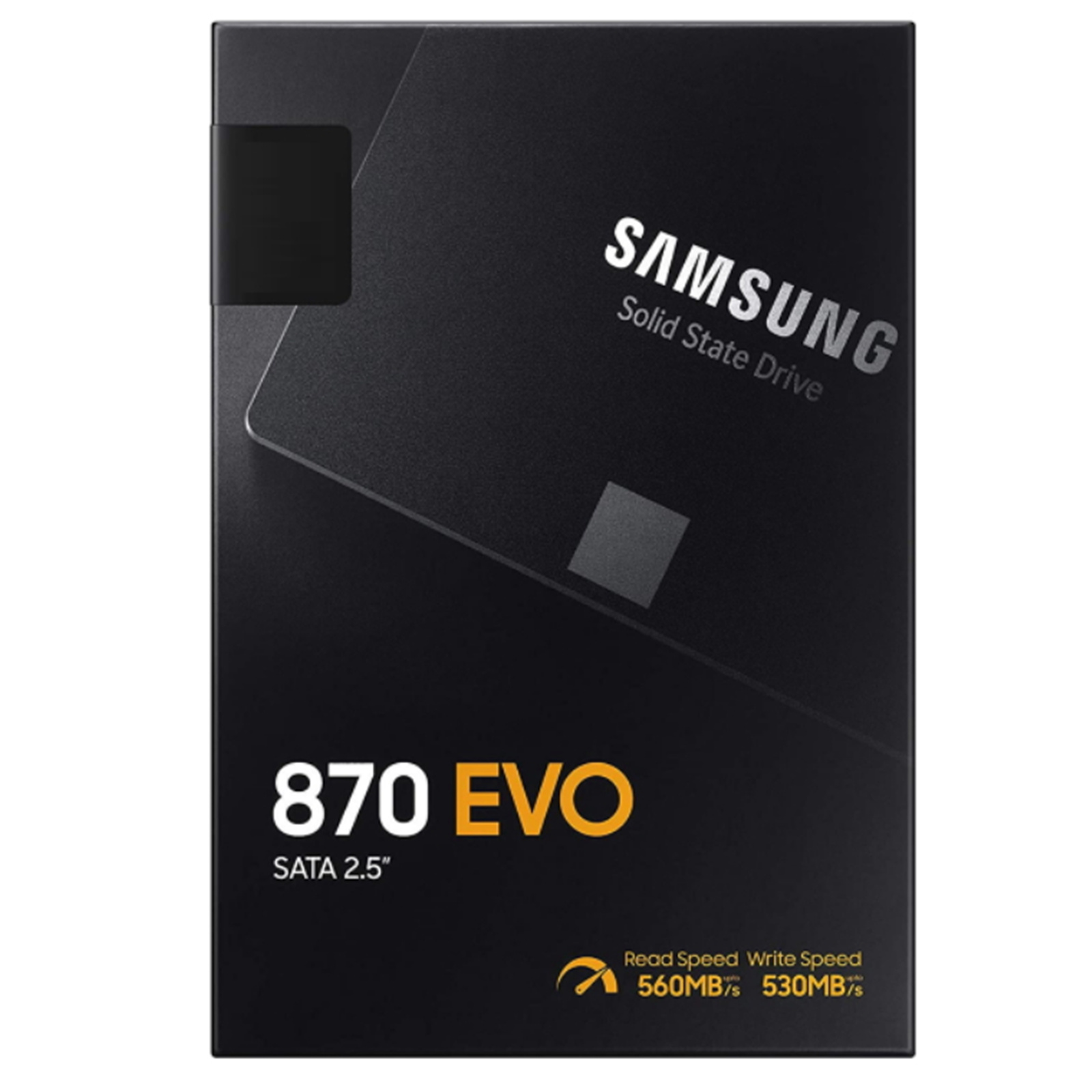
A: For gaming performance and reliability, several brands consistently rank high. For NVMe drives, look for models from Samsung (e.g., 970 EVO Plus, 980 Pro, 990 Pro), Western Digital (e.g., WD Black SN770, SN850X), Crucial (e.g., P5 Plus, T500), and SK Hynix (e.g., Platinum P41). These offer excellent speeds and endurance. For more budget-friendly SATA SSDs, Crucial (e.g., MX500) and Samsung (e.g., 870 EVO) are reliable choices. Always check current reviews and pricing, as the market for SSDs is constantly evolving, with new models offering better performance per dollar. Focus on reputable brands for peace of mind and long-term gaming enjoyment.
Ever felt that familiar sigh as you stare at a loading screen, knowing your precious gaming time is ticking away? For many of us, balancing work, family, and life means our gaming sessions are valuable escape routes, opportunities for fun, skill-building, or social connection. Nothing disrupts that flow like sluggish performance or interminable waits. If you have been wondering, does a solid state drive improve gaming, you are in the right place. This guide is crafted for US gamers just like you, those who value efficient relaxation, smart upgrades, and a smooth, enjoyable experience without getting bogged down by technical jargon or endless hype.
In 2026, with 87% of US gamers playing regularly and many dedicating 10+ hours a week, efficiency and performance optimization are more critical than ever. Whether you are diving into a cozy social game, competing in an esports title, or exploring a vast open world, your hardware should enhance, not hinder, your adventure. A Solid State Drive, or SSD, promises a significant upgrade over traditional Hard Disk Drives (HDDs). But what kind of difference can it really make for your games? Let's cut through the noise and get to the practical solutions you need to make the most of your gaming rig, even on a budget.
Does a Solid State Drive Really Improve Gaming Performance?
Yes, absolutely. A solid state drive dramatically improves gaming performance, primarily by reducing load times for games, levels, and assets. Unlike traditional Hard Disk Drives (HDDs) which rely on spinning platters and read/write heads, SSDs use flash memory, allowing for instantaneous data access. This means your games will launch faster, levels will load quicker, and textures will pop in almost instantly. While an SSD generally will not directly increase your Frames Per Second (FPS), it significantly enhances the overall fluidity and responsiveness of your gaming experience, making common pain points like long waits a thing of the past.
How Much Faster Are SSDs for Gaming Compared to HDDs?
The speed difference between SSDs and HDDs for gaming is substantial. SATA SSDs typically offer read/write speeds ranging from 500 MB/s to 550 MB/s, which is about 3 to 5 times faster than a standard 7200 RPM HDD, which might only reach 100-150 MB/s. However, the real game-changer is NVMe SSDs, especially those using the PCIe 4.0 or even newer PCIe 5.0 interface. These drives can boast sequential read speeds upwards of 7,000 MB/s for PCIe 4.0 and 10,000 MB/s or more for PCIe 5.0, making them potentially 50 to 70 times faster than HDDs. This colossal difference directly translates to significantly reduced loading screens, ensuring you spend more time playing and less time waiting, a true blessing for busy gamers.
What Types of SSDs Are Best for Gamers on a Budget?
For gamers on a budget, selecting the right SSD involves balancing cost and performance. The most common and often cheapest option is a SATA SSD. While not as blazing fast as NVMe drives, they still offer a massive upgrade over HDDs in terms of loading times and system responsiveness. They are a fantastic entry-level choice and are compatible with most older motherboards. If your motherboard supports it, a PCIe 3.0 NVMe SSD is the sweet spot for many. These offer speeds several times faster than SATA SSDs but are generally more affordable than the latest PCIe 4.0 or 5.0 models. They provide excellent value, delivering significant performance gains without breaking the bank, making them ideal for someone looking for a hardware upgrade on a budget without compromising too much.
Can an SSD Improve FPS (Frames Per Second) in Games?
Generally, an SSD does not directly increase your Frames Per Second (FPS). FPS is primarily determined by your CPU, GPU, and RAM. However, an SSD can indirectly contribute to a smoother gaming experience that feels like an FPS improvement in certain scenarios. For games that stream large amounts of data or assets in real-time (like expansive open-world titles), a faster SSD can prevent micro-stuttering or hitches that occur when the system struggles to load textures or environmental details from a slow HDD. By eliminating these storage-related bottlenecks, an SSD ensures that the game engine always has the data it needs quickly, allowing your CPU and GPU to work uninterrupted and deliver consistent frame rates, leading to a much more fluid and enjoyable experience. This is crucial for games popular this month where seamless transitions are key.
Is an SSD Worth It for Casual Gamers or Older Systems?
Absolutely, an SSD is worth it even for casual gamers or those with older systems. While hardcore gamers might prioritize the absolute fastest NVMe drives, even a basic SATA SSD provides a noticeable improvement in overall system responsiveness and game load times. For older systems, replacing a slow HDD with an SSD can breathe new life into the machine, making everything from booting up Windows to launching applications and games feel snappier. This upgrade is one of the most impactful you can make for older hardware without needing to overhaul your entire rig, offering significant value for money and reducing frustration. Even if you only game for an hour or two after work, those quicker loads mean more actual playtime and less waiting around.
How to Install an SSD for Gaming in Your PC?
Installing an SSD is a relatively straightforward process for most PC gamers. Here are the basic steps:
- Backup Your Data: Before starting, back up any important files from your old drive.
- Open Your PC Case: Power down your PC, unplug it, and open the side panel.
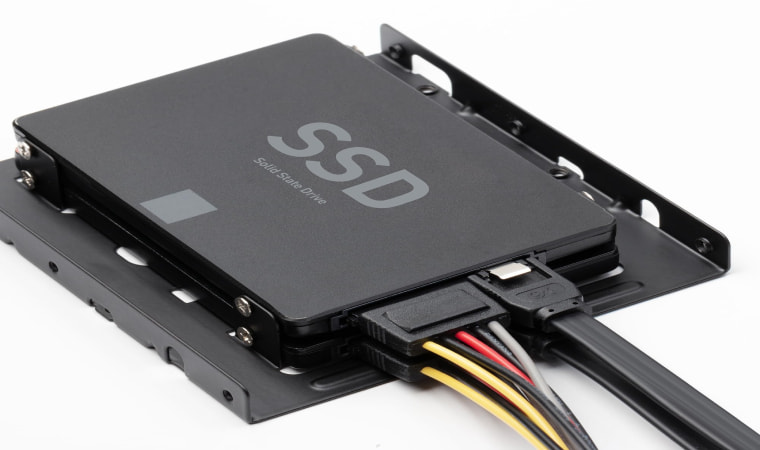
- Mount the SSD: For a 2.5-inch SATA SSD, you will need an available drive bay and a SATA data cable (connected to your motherboard) and a SATA power cable (from your PSU). For an M.2 NVMe SSD, locate the M.2 slot on your motherboard and gently insert the drive, securing it with a small screw.
- Connect Cables (SATA Only): Plug the SATA data and power cables into the SATA SSD.
- Boot into BIOS/UEFI: Restart your PC and enter the BIOS/UEFI settings. Ensure the SSD is recognized.
- Install Operating System (Optional): If this is your primary drive, you will want to perform a clean install of Windows for optimal performance.
- Format the Drive (if secondary): If it's a secondary drive for games, use Disk Management in Windows to initialize and format the new SSD.
This is a common pain point for new builders, but plenty of online tutorials can walk you through each step. It is an empowering upgrade you can do yourself!
What Role Do SSDs Play in Modern Game Design and Social Gaming Trends?
SSDs are increasingly crucial in modern game design, especially with current trends like massive open worlds, intricate graphics, and seamless online social experiences. Games are now designed with the expectation of fast storage, reducing the need for hidden loading screens or cleverly disguised asset streaming delays. This enables developers to create richer, more detailed environments without breaking immersion. For social gaming, which is a huge part of the US gaming landscape with platforms like Discord and cross-play, quick loading ensures everyone gets into the game faster, minimizing waiting for friends and maximizing actual play or chat time. Faster asset loading also benefits competitive play, reducing pop-in and ensuring a fair, high-performance experience. From cozy games to intense esports, SSDs are foundational to the seamless experiences gamers expect in 2026.
Balancing Storage: Should I Use an SSD for Games and an HDD for Files?
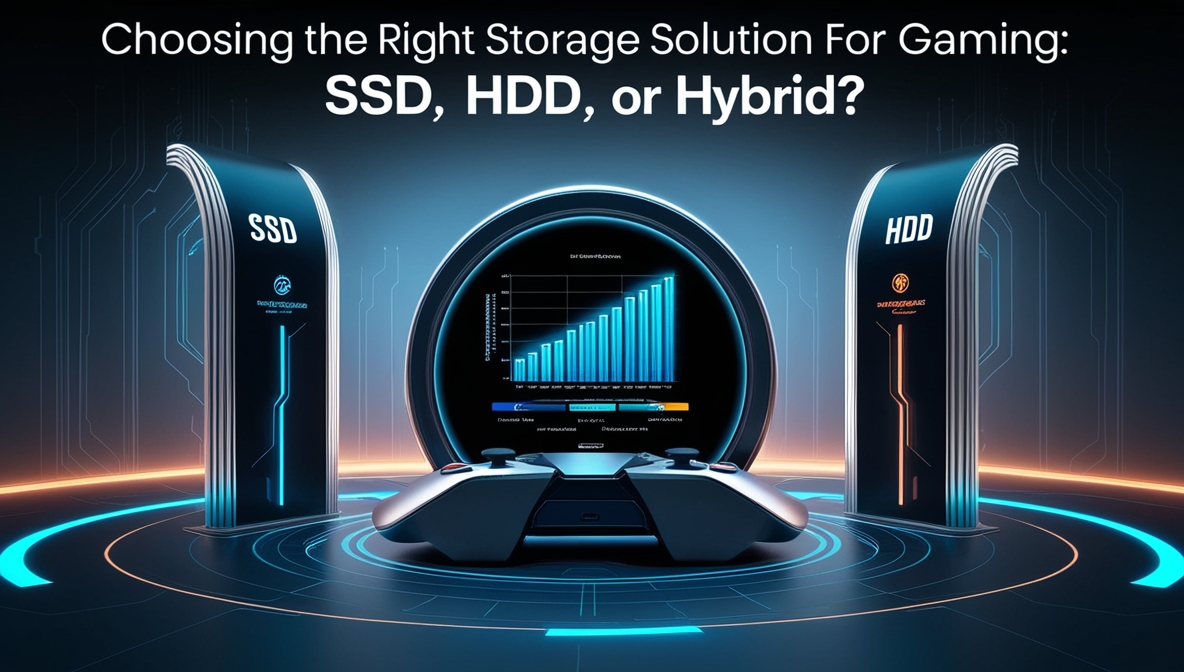
Yes, this is a very common and highly recommended strategy for balancing performance and budget. The best practice is to install your operating system (Windows) and your most frequently played or demanding games on the SSD. This ensures lightning-fast boot times, quick application launches, and reduced game loading. For less demanding games, general files, media, documents, and backups, a larger, more affordable HDD can serve as your secondary storage solution. This hybrid setup gives you the best of both worlds: the speed benefits of an SSD where it matters most for gaming and everyday use, combined with the cost-effective mass storage of an HDD for everything else. This helps manage hardware upgrades on a budget while still getting a premium gaming experience.
Upgrading to a Solid State Drive is one of the most impactful and budget-friendly hardware improvements a gamer can make today. It streamlines your experience, reduces frustrating waits, and allows you to truly enjoy the games you invest your time and money in, fitting perfectly into the busy lifestyle of the average US gamer. You deserve to spend your gaming hours immersed in the action, not staring at a loading bar.
What's your biggest gaming challenge? Comment below! Share your tips or ask us your next burning hardware question.
FAQ Section
What is the main benefit of an SSD for gaming?
The main benefit is significantly faster loading times for games, levels, and assets. This reduces waiting and gets you into the action quicker, enhancing the overall flow of your gaming sessions.
Do I need an NVMe SSD for gaming or is SATA enough?
While an NVMe SSD offers superior speeds, a SATA SSD is a massive upgrade over an HDD and is perfectly sufficient for many gamers. NVMe is ideal for competitive play or those who want the absolute fastest loads for specific, demanding titles.
Can an SSD fix game stuttering?
An SSD can resolve stuttering that is caused by slow asset loading from the storage drive. If stuttering is due to your CPU, GPU, or RAM, an SSD will not directly fix it, but it will ensure storage isn't the bottleneck.
Is it hard to transfer games from an old HDD to a new SSD?
Transferring games can be done via a fresh installation on the new SSD or by using cloning software. While cloning requires some technical steps, fresh installs are straightforward. Many game launchers also allow you to easily move game files.
How much storage do I need for a gaming SSD?
For primary gaming, a 500GB SSD is a good minimum, allowing space for the OS and a few large games. 1TB or 2TB is highly recommended for modern libraries, especially with game sizes trending upwards. Consider a hybrid setup with an HDD for extra storage.
Will an SSD drain my laptop battery faster?
No, SSDs generally consume less power than traditional HDDs, which have moving parts. Upgrading to an SSD in a gaming laptop can actually improve battery life slightly and reduce heat generation, a welcome bonus for mobile gamers.
Should I put my operating system on the SSD or HDD?
Always put your operating system on the SSD. This ensures your computer boots up quickly and all your daily tasks, from web browsing to opening applications, are snappier and more responsive, which significantly improves the entire user experience.
Are there any downsides to using an SSD for gaming?
The primary downside is cost per gigabyte, as SSDs are generally more expensive than HDDs for the same capacity. Early SSDs also had concerns about write endurance, but modern drives are extremely durable and reliable for years of gaming use.
Faster game loading, smoother overall gameplay, quicker system responsiveness, improved multitasking, reduced in-game stutter, enhanced value for money in upgrades, essential for modern titles.
35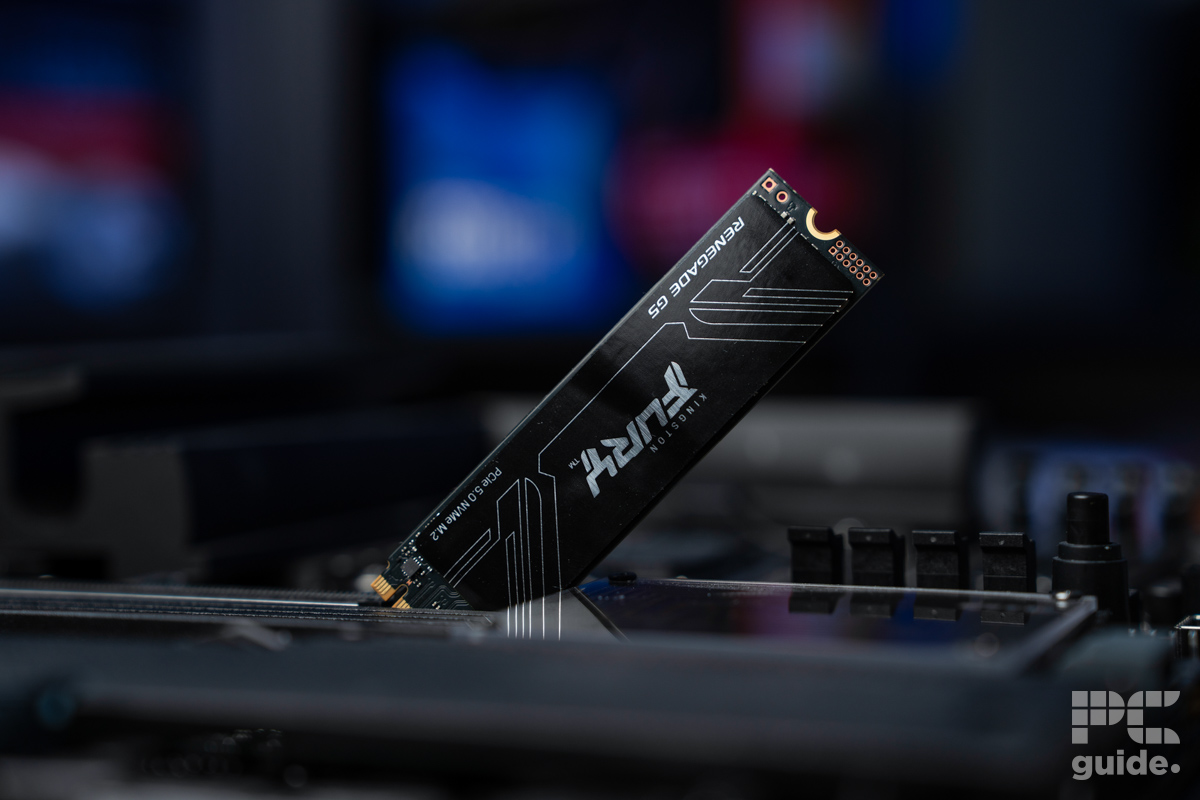
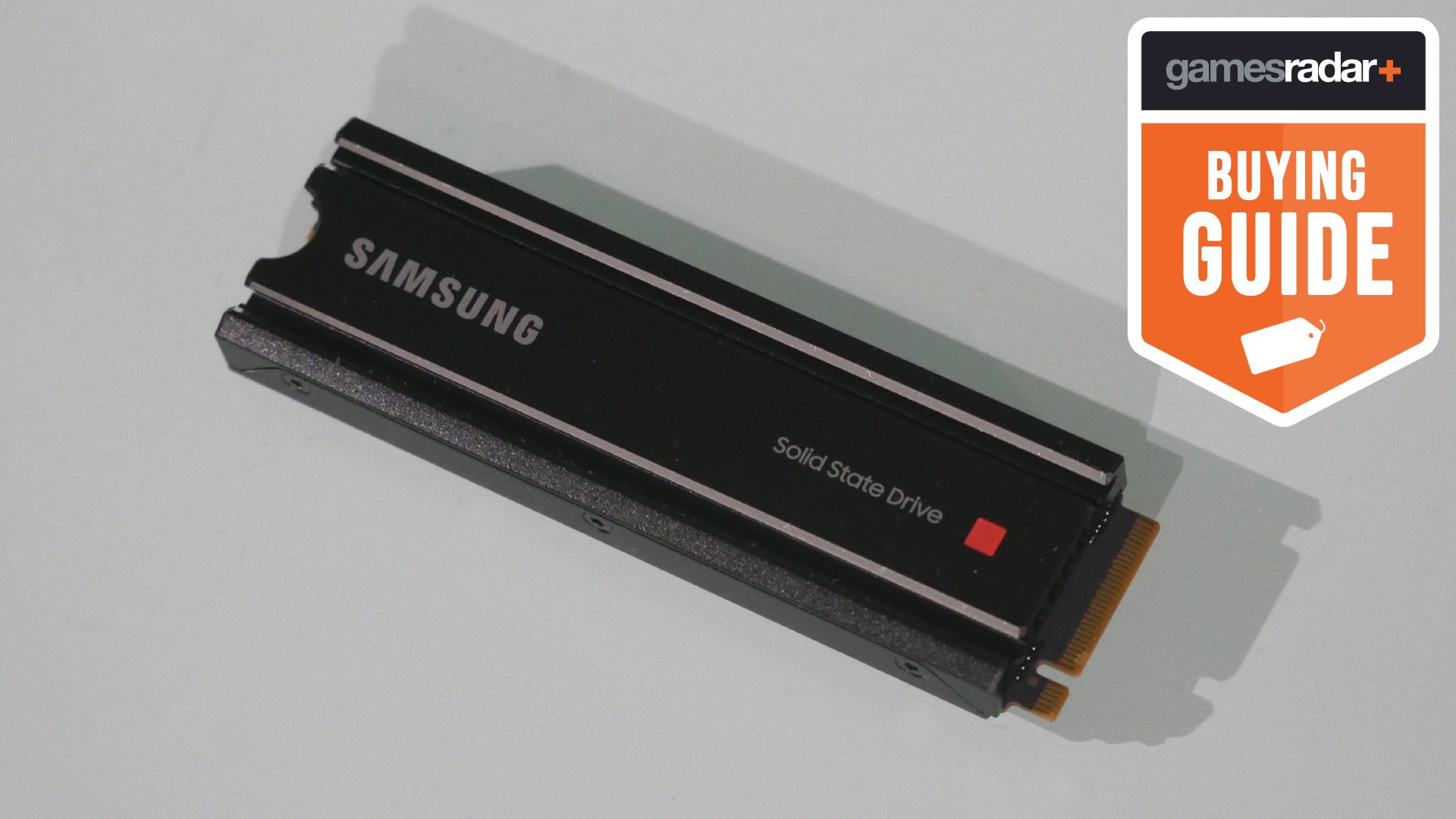


Best SSD For Gaming In 2026 Our Top Picks For Speed Capacity Or Kingston FURY Renegade G5 Image By PC Guide . Best SSD For Gaming 2026 The Best Performing Drives For Your PC 1920 80 . Best SSD For Gaming 2026 Best Ssd For Gaming 550x309 . 9 BEST SSDs OF 2026 Fasted Solid State Drives YouTube . What Does A Solid State Drive Do For Gaming Robots Net What Does A Solid State Drive Do For Gaming 1700986930

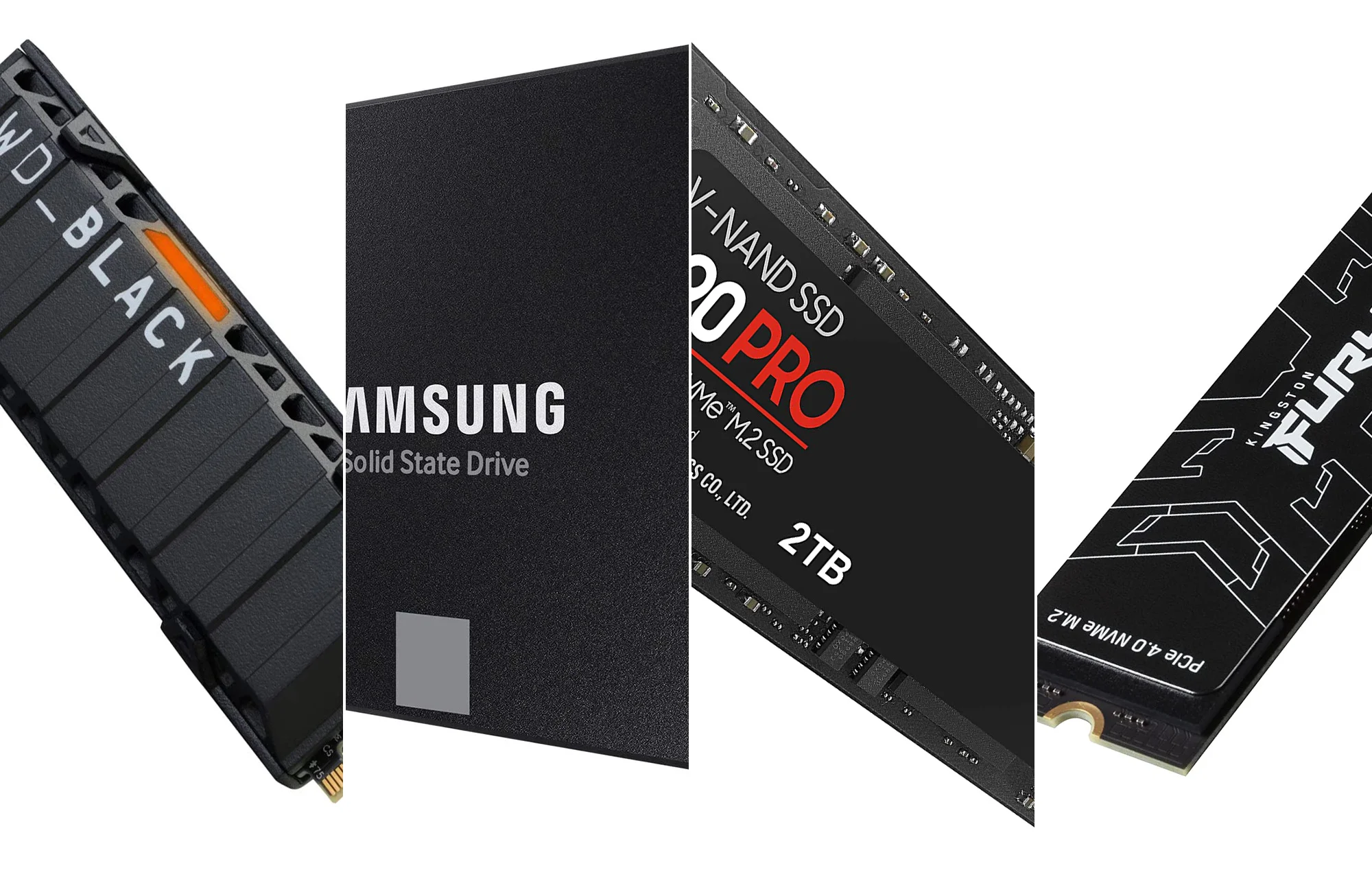
Best 2026 For Gaming By Socket And Chipset Tom S Hardware . Best SSD For Gaming In 2025 The Fastest And The Best Value Solid State 970 80 . Best SSD For Gaming Fastest Solid State Drives VR .webp. The Best SSDs For Gaming PCs In 2025 . The Future Of Solid State Drives Predictions For The Next Decade CFREAKS Choosing The Right Storage Solution For Gaming SSD HDD Or Hybrid

10 Best SSDs For Gaming In 2026 Picked By Experts Copy Of Copy Of Copy Of Copy Of Copy Of TV Sale Empire 4 . What Is A Solid State Drive Ssd And Do I Need One Solid State Drive 1 . Best SSD For Gaming The Top Solid State Drives In 2022 PCGamesN Best SSD For Gaming 1 580x334 . Best Solid State Drive For Gaming OVMN Good External SSD For Gaming . Best SSD For Gaming Best Solid State Drives Rock Paper Shotgun Best SSDs For Gaming Header
Best SSD For Gaming In 2025 The Fastest And The Best Value Solid State . The Best SSD In 2025 Top Solid State Drives For Your PC TechRadar . Why Choose A Solid State Drive For Gaming Robots Net Why Choose A Solid State Drive For Gaming 1700800940 . Best M2 Solid State Drive Of 2026 For Faster Data Access Best M2 Solid State Drive . B Sta SSD 2026 De B Sta Enheterna Med Solid State F R Din PC TechRadar
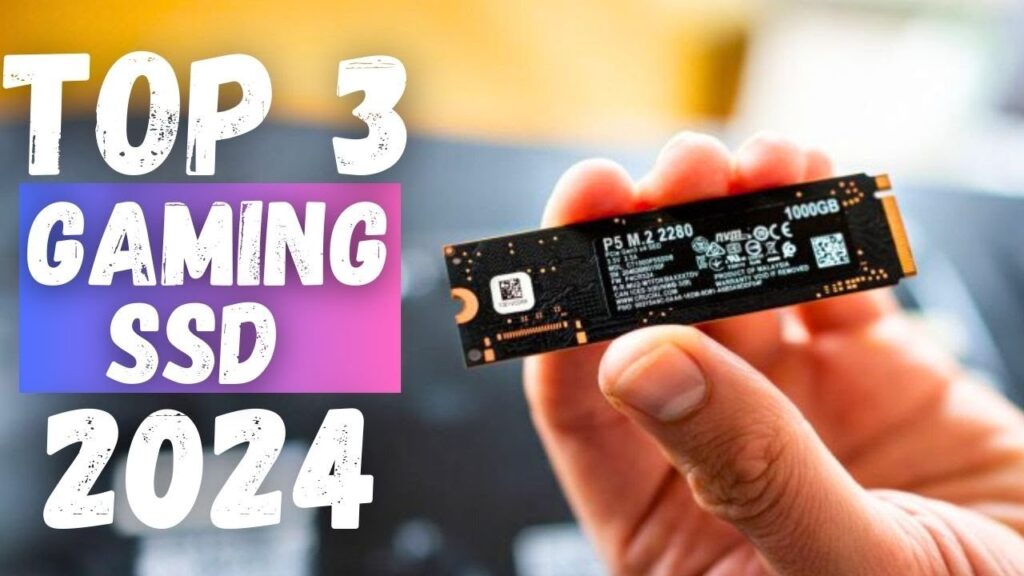
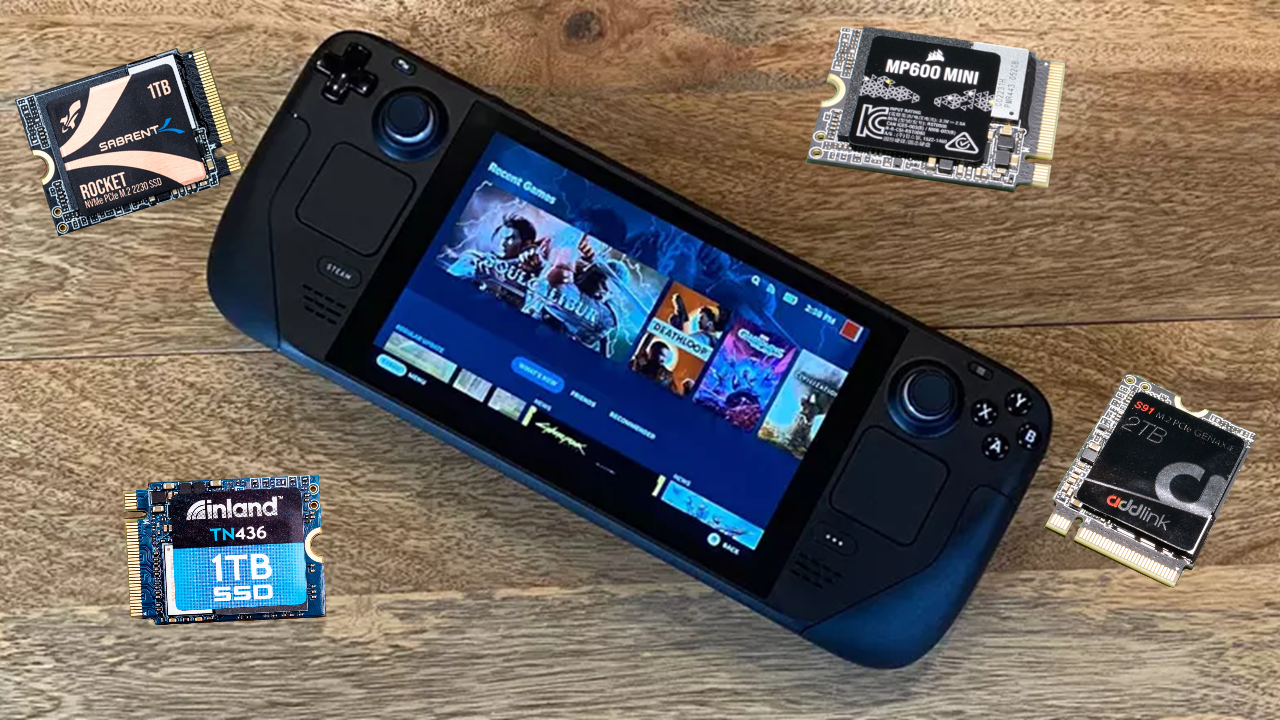

Best Gaming SSD 2024 For Seamless Speed And Power Lucky Falcon Best SSD For Gaming 2024 1024x576 . The Best SSD For The Steam Deck In 2025 Fast NVMe Drives For Gaming On . Best Hard Drive For Gaming 2026 SSD Vs HD Gaming PC Guru Best Portable Ssd For Gaming 800x500 . Maximize Efficiency With A Powerful Solid State Drive Achieve Maximum Efficiency With A Powerful Solid State Drive . Best SSD For Gaming 2024 Top Budget 1TB M 2 Ssd For Gaming Reviewed Best SSD For Gaming 768x433

Best SSD For Gaming 2023 The Top Solid State Drives Of The Year Best SSD For Gaming In 2023 . How To Use A Solid State Drive As A Cache Robots Net 11 Best 2 5 Solid State Drive For 2023 1700470565 . What Is A TLC Solid State Drive Robots Net How Long Does A Solid State Drive Last 1700817340 . 7 Best Hard Drives For Gaming In 2026 That Video Game Blog Best Ssd For Gaming Thumbnail . 12 Best Gaming SSDs 2026 Expert Reviewed Drives Tested B0B7CQ2CHH Customer 1 2 300x214
How Do SSDs Affect Gaming Performance PC Gamer . What Is The Advantage Of A Solid State Drive Robots Net What Is Integral To A Solid State Drive 1700798152 . 12 Best Gaming SSDs 2026 Expert Reviewed Drives Tested Featured Image I9bv3g1g 300x210 . 12 Best Gaming SSDs 2026 Expert Reviewed Drives Tested B0DN6ZQ3PD Customer 2 2 1024x735 . How To Use A Solid State Drive For Gaming Robots Net 7 Best Samsung 860 Evo 500 Gb 2 5 Solid State Drive For 2023 1700463414