The final season of Game of Thrones left many fans, especially the dedicated gaming community who appreciate intricate narratives and impactful choices, feeling like the story suffered a critical bug. This article dives deep into the myriad of compelling fan theories and creative fixes for how Game of Thrones should have ended, exploring alternative character arcs for figures like Daenerys Targaryen and Jon Snow, proposing more satisfying resolutions for the White Walker threat, and debating who truly deserved to sit on the Iron Throne. For gamers who spend over 10 hours a week optimizing their experiences and demanding coherent storytelling, the GoT finale presented a masterclass in missed opportunities. We analyze why the ending fell short and offer 'patch notes' for a more epic conclusion that respects character development and thematic consistency, ensuring a truly legendary final quest.
What were the most criticized plot points in the Game of Thrones finale?
The Game of Thrones finale drew heavy criticism for several key plot points, most notably Daenerys Targaryen's sudden and seemingly unearned descent into 'Mad Queen' territory, her subsequent assassination by Jon Snow, and Bran Stark's unexpected ascension to the Iron Throne. Additionally, the rapid and somewhat anticlimactic defeat of the White Walkers, the character arcs of Jaime and Cersei Lannister, and the general rushed pacing of Season 8 left many fans, including discerning gamers, feeling deeply dissatisfied with the story's resolution. It felt like crucial narrative build-up was ignored for a quick, shocking end, much like a game sacrificing lore for a flashy cutscene.
How could Daenerys Targaryen's descent into madness have been more believable?
For Daenerys's turn to 'madness' to be more believable, her character arc needed a more gradual and visible progression throughout the final seasons. Instead of an abrupt shift, the series could have shown her making increasingly ruthless decisions, perhaps due to accumulated betrayals, the loss of her allies and dragons, and the political machinations around her. This steady erosion of her compassion, fueled by paranoia and a growing sense of isolation, would have felt more earned and tragic, akin to a player character's alignment slowly shifting based on a series of difficult, morally grey choices. Displaying internal conflict and external pressures pushing her to extremes would have resonated better.
What would have been a more fitting role or ending for Jon Snow?
Jon Snow's ending, essentially returning to the Night's Watch beyond the Wall, felt like a regression for a character built up as a potential savior and Targaryen heir. A more fitting conclusion could have seen him embrace his leadership qualities, perhaps by uniting the Free Folk and surviving Northern houses to forge a new, independent society. Alternatively, a tragic but heroic sacrifice for the realm, or even sharing power with Daenerys (had her arc been different), would have felt more impactful and true to his character's selfless nature. Many gamers expected a grander resolution for the main hero, one that reflected his journey and sacrifices, not a return to a perceived starting point.
Why did Bran Stark's ascension to the Iron Throne dissatisfy so many viewers?
Bran Stark becoming king was a major source of fan dissatisfaction because his character, as the Three-Eyed Raven, had become detached from human desires and governance. His claim felt unearned, as he rarely exhibited leadership qualities or political ambition throughout the series. Viewers perceived a lack of justification for his selection by the council, especially when other characters like Sansa or even Gendry had stronger, more logical ties to leadership roles. From a narrative perspective, it felt like an arbitrary conclusion, bypassing established rules and character development, much like a game choosing a random character for the final boss fight instead of the main antagonist.
How could the White Walkers' storyline have had a more impactful resolution?
The White Walker threat, built up for eight seasons as the ultimate existential danger, received an unexpectedly swift resolution in the Battle of Winterfell. A more impactful ending could have involved a longer, more devastating war, pushing humanity to the brink and demanding greater sacrifices from main characters. Imagine multiple battles across Westeros, forcing uneasy alliances and showcasing the true horror of the Night King's army. This would have given their defeat more weight and significance, demonstrating the true cost of victory. Such an epic struggle would have paralleled the multi-stage, strategic boss fights gamers love, rather than a single, relatively quick encounter.
Were there specific character decisions that felt rushed or out of character?
Beyond Daenerys's arc, several character decisions in the final season felt rushed or inconsistent. Jaime Lannister's sudden return to Cersei, seemingly abandoning his redemption arc, frustrated many. Tyrion Lannister's strategic prowess seemed diminished, making repeated poor judgments. Varys's swift execution for treason felt underdeveloped, and Euron Greyjoy's sudden ability to ambush dragons and fleets without detection strained credulity. These rapid shifts undermined years of character development, leaving fans feeling that established personalities and motivations were sacrificed for plot convenience, much like a game's lore being retconned without adequate explanation.
What lessons can storytellers learn from the Game of Thrones ending?
The Game of Thrones ending offers crucial lessons for storytellers across all media, particularly for long-form narratives. It highlights the paramount importance of consistent character development, logical plot progression, and delivering on established foreshadowing. Rushing a complex story, particularly one with such high stakes and devoted fans, can erode years of good will. Storytellers should prioritize narrative integrity and allow sufficient time for resolutions, ensuring that every twist and turn feels earned and respectful of the journey. Much like game developers learn from community feedback to refine future titles, this ending underscores the need for meticulous planning and execution to create truly legendary and satisfying conclusions.
As gamers, we understand the thrill of a meticulously crafted story, where every choice, every quest, and every character arc feels earned. We dedicate hours to optimizing our builds, mastering complex mechanics, and engaging with narratives that reward our investment. So when a story like Game of Thrones, which captured the imagination of millions, especially the 87% of US gamers who regularly dive into rich narratives, falters at the finish line, it feels like a high-level raid boss with broken mechanics. We expect our narratives to make sense, to deliver on promises, and to leave us with a sense of satisfaction, not confusion. Just as we troubleshoot setup issues or performance drops, we inherently seek to fix broken stories, to find the 'patch' that makes the experience whole again. This isn't just about wishing for a different outcome; it's about valuing cohesive storytelling, much like we value a perfectly balanced game economy or a seamless multiplayer experience. Many US gamers, averaging over 10 hours a week across mobile and console/PC, saw the GoT ending not as a finale but as a series of missed opportunities, akin to a beloved game releasing a disappointing final DLC. This article explores 'how Game of Thrones should have ended' from a gamer's perspective, offering alternative paths that could have delivered the epic conclusion we all deserved.
We gamers are not just passive consumers; we are active participants, constantly analyzing, theorizing, and even modding our experiences to perfection. We thrive on skill-building and social play, discussing every twist and turn with our Discord communities. The widespread debate over Game of Thrones' conclusion, continuing fiercely even this month, highlights a collective desire for narrative optimization. We are driven by a need for value for money and staying current, but never at the expense of genuine quality. Let's delve into the major pain points of the Game of Thrones ending and explore how, with a bit of narrative tuning, we could have achieved a truly legendary finish.
What were the primary issues with the Game of Thrones ending?
The final season of Game of Thrones faced widespread criticism for several key reasons, often cited by fans as feeling rushed and inconsistent. Many believed character arcs, painstakingly built over years, were abruptly concluded or twisted beyond recognition, notably Daenerys's descent into madness. The pacing felt accelerated, cramming complex resolutions into too few episodes, leaving significant plotlines, like the White Walker threat, feeling underdeveloped. Dialogue quality seemed to dip, and fundamental narrative logic was questioned, leading to a sense of betrayal among viewers who had invested deeply in Westeros's fate. For gamers, this felt like an endgame where the boss fight was too easy, the loot was underwhelming, and the story didn't respect your grind.
How could Daenerys's arc have been handled differently and better?
Daenerys Targaryen's transformation into the 'Mad Queen' was one of the most contentious points. A more satisfying resolution could have involved a gradual, tragic erosion of her humanity, fueled by genuine betrayal and loss, rather than an abrupt switch. Instead of immediately burning King's Landing, perhaps she could have been pushed to a point of no return through a series of calculated choices and sacrifices, each one chipping away at her moral compass. Imagine her wrestling with the brutal realities of power, making increasingly dark decisions out of necessity or fear, eventually sacrificing her principles for what she believed was the greater good, leading to a more nuanced, agonizing downfall. This would have resonated more with players who understand how difficult in-game choices can slowly alter a character's alignment.
What alternative fates for Jon Snow would have been more satisfying?
Jon Snow's ending, returning to the Night's Watch, felt anticlimactic for many who saw him as a quintessential hero. A more impactful conclusion might have seen him take on the mantle of leadership in the North, uniting the Free Folk and remaining Stark loyalists, embodying a true 'King Beyond the Wall' but as a protector of humanity. Alternatively, a shared rule with Daenerys, or even a tragic, redemptive sacrifice to truly save Westeros, could have felt more earned. Gamers often expect their main protagonists to fulfill a grand destiny or make a heroic sacrifice that feels meaningful, not simply revert to an earlier status quo. His true heritage as a Targaryen was built up for seasons, only to seemingly lead nowhere substantial.
Why was Bran becoming king so divisive and what were better options?
Bran Stark's ascension to the Iron Throne baffled many viewers. His claim felt unearned, as his role as the Three-Eyed Raven often left him detached from human affairs and without clear political ambition. A more compelling choice might have been a council-elected leader like Tyrion, chosen for his wisdom, or even Sansa, who demonstrated strong leadership and a deep understanding of governance. Perhaps a true democracy or a decentralized system of independent kingdoms, a revolutionary new approach, would have aligned better with the anti-monarchy sentiments hinted at throughout the series. From a gaming perspective, Bran felt like an NPC who suddenly became the main quest giver without any prior setup or skill tree progression for leadership.
How could the White Walker threat have been resolved more impactfully?
The defeat of the White Walkers in a single battle, primarily by Arya, left many feeling underwhelmed, especially after years of build-up. A more impactful resolution could have involved a protracted, multi-front war across Westeros, forcing difficult alliances and showcasing the true cost of survival. Imagine a scenario where the living had to make desperate, morally ambiguous choices to push back the dead, with significant casualties among major characters. This would have provided a greater sense of stakes and consequence, reminiscent of an epic, multi-stage raid in an MMORPG that requires strategic thinking and teamwork over several weeks, rather than a single, quick encounter.
What specific plot points missed the mark in the final season?
Beyond the major character arcs, several plot points in Season 8 felt unearned or poorly executed. Euron Greyjoy's sudden effectiveness against Daenerys's fleet, the unexplained stealth of the Dothraki charge, and the seemingly instant teleportation of characters across vast distances broke immersion. The rushed pace prevented proper exploration of consequences, like the political fallout of the Northern independence or the logistics of rebuilding a ravaged kingdom. For players who appreciate detailed lore and world-building, these felt like developers cutting corners or ignoring established game mechanics for convenience.
Could a more collaborative writing approach have saved the ending?
Many fans believe that a more collaborative writing approach, perhaps involving George R.R. Martin more directly or extending the final seasons, could have allowed for deeper development and more satisfying conclusions. In the gaming world, early access and community feedback are often leveraged to refine experiences, catching potential issues before launch. Had the showrunners taken more time, or consulted more widely on the narrative direction, they might have identified and rectified the plot holes and character inconsistencies that ultimately marred the finale. This isn't about fan service, but about respecting the established canon and the journey the characters had taken.
How do video game narratives offer lessons for epic series endings?
Video games often excel at providing player agency and consequence, where choices genuinely matter. Titles like The Witcher 3 or Mass Effect build intricate narratives where the player's decisions directly shape the world and character fates, leading to multiple, well-justified endings. This multi-path approach, even in a linear medium like television, could inspire writers to craft conclusions that feel organic to the characters' journeys, rather than forcing them into predetermined, unsatisfactory roles. Gamers appreciate when developers honor their investment in a story, and a good game ending feels earned, reflecting the player's effort and decisions throughout the adventure. This is about delivering a narrative that feels consistent with the rules and character motivations established from the beginning.
What are popular fan-created alternative endings for GoT?
The internet is brimming with ingenious fan-created alternative endings, showcasing the collective storytelling prowess of the GoT community. Many envision Jon and Daenerys ruling together, perhaps with a more tempered Daenerys learning from her mistakes. Others propose a truly democratic Westeros, or a return to smaller, independent kingdoms. Some creative theories involve a deeper magical element, with Bran using his powers more actively to guide the realms, or even a cyclical narrative where history repeats itself. These theories often prioritize character consistency, logical consequences, and a sense of poetic justice, mirroring the desire for a perfectly balanced playthrough in a favorite RPG.
How does the GoT ending reflect challenges in long-form storytelling?
The Game of Thrones finale highlights the immense challenges of concluding a sprawling, complex narrative that spans multiple seasons and adapts from unfinished source material. Maintaining consistent character arcs, resolving numerous plotlines, and satisfying a global audience's diverse expectations is a monumental task. It underscores the difficulty of balancing creative vision with fan expectations and the pressures of production schedules. For storytellers in any medium, it serves as a cautionary tale: a powerful beginning and middle demand an equally powerful and meticulously planned end. It's akin to developing a massive open-world game – scaling issues can creep in, and if the endgame isn't polished, the entire experience can suffer, regardless of how brilliant the early levels were.
FAQ Section
Why do fans still discuss the GoT ending years later?
Fans continue to dissect the Game of Thrones ending due to its abrupt departure from established character motivations and plot logic, leaving many feeling unsatisfied with the conclusion of a beloved, long-running saga. The significant emotional and intellectual investment over years meant a disappointing finale resonated deeply, much like a beloved game series ending on an unfulfilling cliffhanger or a poorly designed final boss.
Was there any way to satisfy everyone with the GoT ending?
No single ending could satisfy every fan, given the diverse interpretations and desires surrounding such a complex series. However, a more carefully paced, logically consistent, and character-driven conclusion, even if bittersweet, would have garnered broader acceptance. The issue wasn't necessarily the specific outcomes, but the rushed and inconsistent path taken to reach them, leading to a sense of missed potential rather than thoughtful tragedy.
How did the books influence expectations for the ending?
The unfinished nature of George R.R. Martin's books meant the show's final seasons ventured into uncharted territory without detailed source material, leading to a divergence from fan expectations rooted in the rich lore and foreshadowing of the novels. Many believed the showrunners condensed intricate book plots, which would have provided more depth and justification for character actions, into simplified narratives, much like a rushed game adaptation.
What impact did the GoT ending have on TV series expectations?
The Game of Thrones ending significantly raised awareness of the importance of a satisfying conclusion for long-running series. It prompted greater scrutiny from audiences regarding narrative consistency, character development, and pacing in subsequent epic shows, highlighting that even phenomenal starts can be undermined by poor finales. It became a benchmark for how *not* to end an acclaimed story, influencing discussions around other major franchise conclusions.
As we wrap up our deep dive into 'how Game of Thrones should have ended,' it's clear that the frustration stems from a place of deep appreciation for the world, characters, and narrative potential. For gamers, who are always striving for optimal performance and engaging experiences, the GoT finale represents a prime example of a story that needed a major patch update. We invest our time, energy, and even money into experiences that promise coherent, rewarding journeys. When those promises aren't fully met, it's natural to explore how they could have been. The discussions and alternative theories aren't just complaints; they're testaments to the power of well-told stories and our collective desire for epic tales to conclude with the same brilliance with which they began. What's your ultimate GoT ending fix? Comment below and share your vision for the perfect Westeros finale!
Fan dissatisfaction with Game of Thrones ending, Popular alternative character arcs for Daenerys and Jon Snow, Criticisms of Bran's ascension to king, Missed opportunities in White Walker storyline, Narrative inconsistencies in final season, How gaming principles apply to storytelling, Community-driven ending revisions.
34


Action Game Of Thrones Season 9 2026 Cinematic Overview Game Media. Cinematic Game Of Thrones Season 9 2026 The New Age Of Fire Media. Game Of Thrones Should Have Ended Complete Version Game Of Thrones . How Game Of Thrones SHOULD Have Ended R Freefolk . How Game Of Thrones Should Have Ended YouTube


How Game Of Thrones SHOULD Have Ended YouTube . Game Of Thrones The Return Of The Ice King 2026 Full Fan Film . How Game Of Thrones Should Have Ended Season 8 Rewrite Part 2 . I Finally Watched Game Of Thrones In 2026 And The Ending Was There . Game Of Thrones Season 9 2026 Trailer Where Map Ends HBO



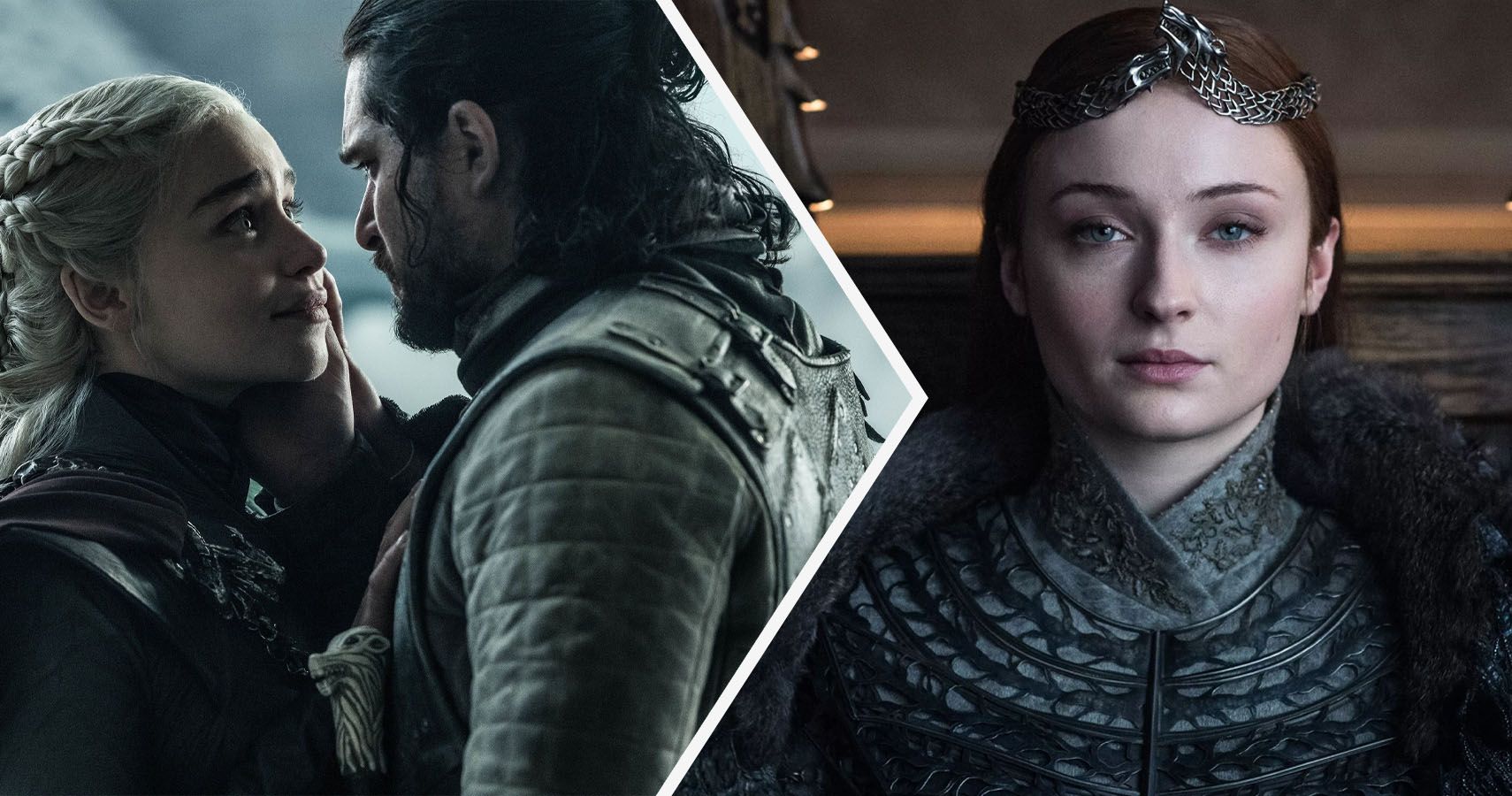
Game Of Thrones 2026 Teaser Trailer YouTube . How Game Of Thrones Should Have Ended Part 2 Daenerys Targaryen NEW . How Game Of Thrones Should Have Ended YouTube . Game Of Thrones How The HBO TV Series Should Have Ended . According To Fans Here Are 15 Ways Game Of Thrones Should Ve Ended Got Th Fi


How Game Of Thrones Should Have Ended YouTube Hqdefault . How Game Of Thrones Should Have Ended By On DeviantArt How Game Of Thrones Should Have Ended By Dlfxyov Pre . Game Of Thrones How Show Should Have Ended According To Superfans GOT2 1bd5 1589880317 . How Game Of Thrones Should Have Ended Season 8 Rewrite Episode 6 YouTube Hqdefault . Best 13 How Game Of Thrones Should Have Ended Season 8 Rewrite Part 2
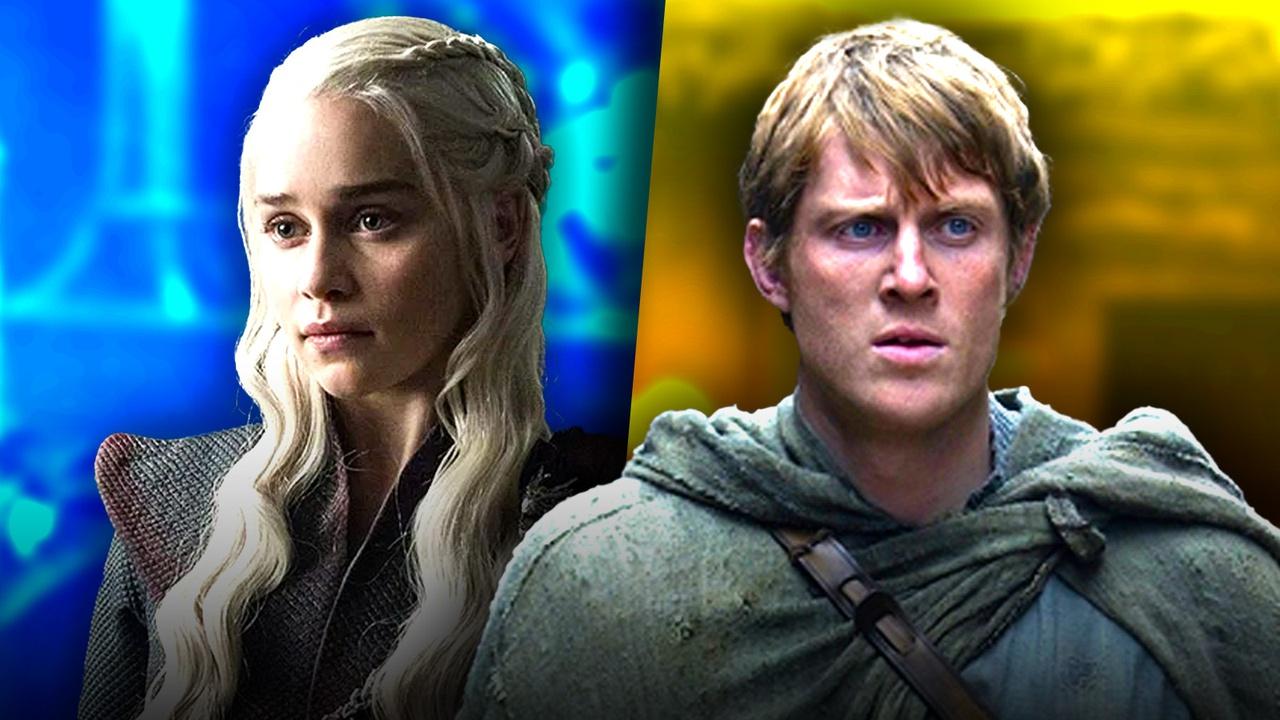
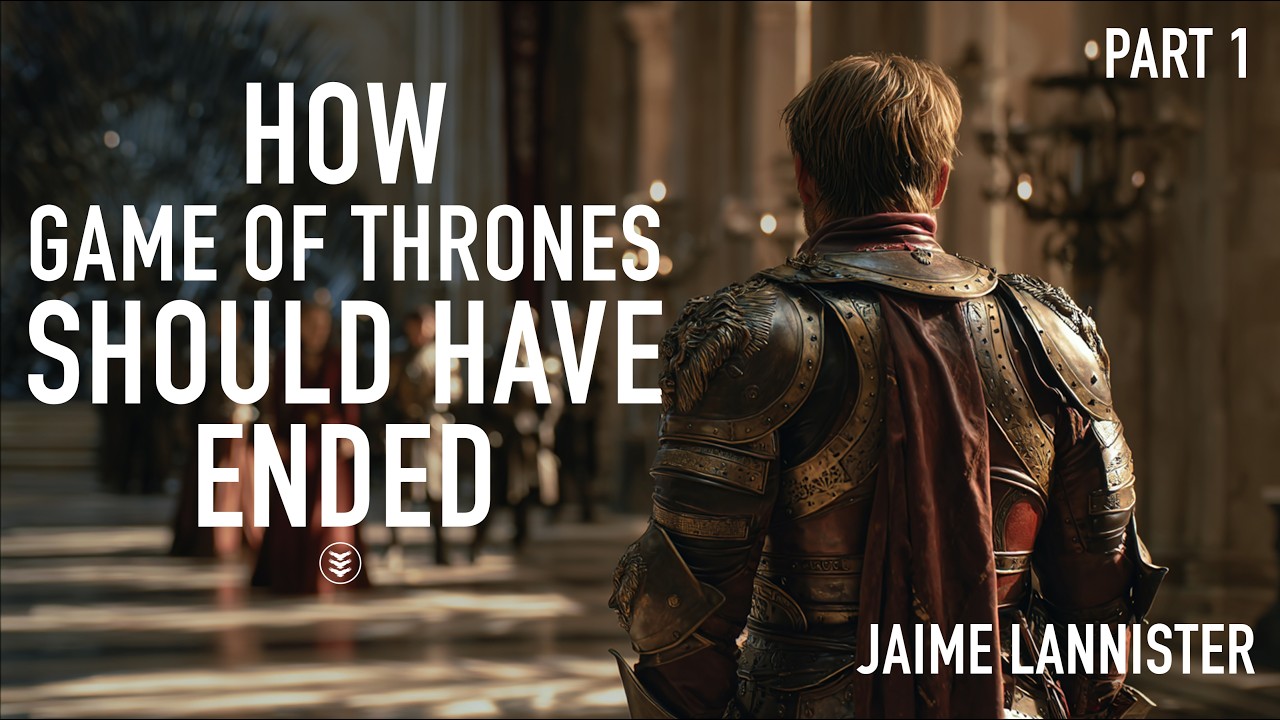


New Game Of Thrones 2026 Series Reveals 2 Major Ways It Will Differ . How Game Of Thrones Should Have Ended Part 1 Jaime Lannister YouTube . Game Of Thrones Returns To The Top Of The Digital Charts In 2026 Game Of Thrones . Every Game Of Thrones Show Releasing In 2026 Beyond Sverige 1 Game Of Thrones Spin Off Might Continue Longer T 1 Game Of Thrones Spin Off Might Continue Longer T. How Game Of Thrones Should Have Ended Complete Version Game Of Hqdefault

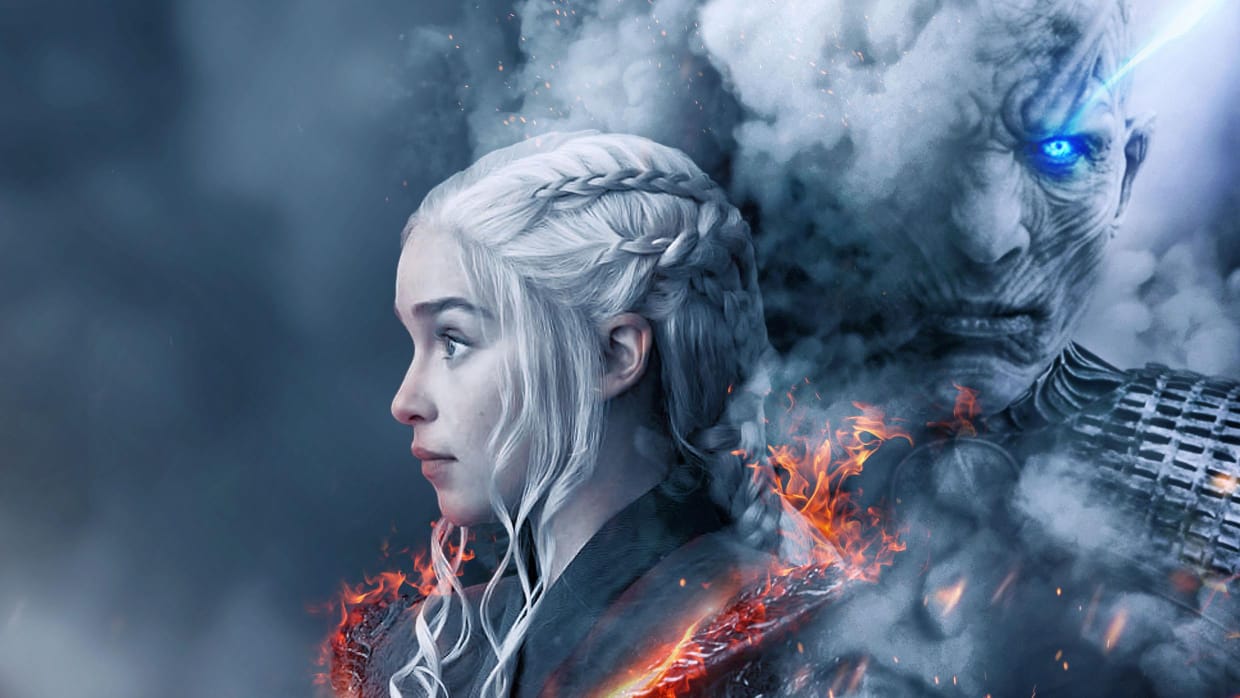

After 14 Years 2026 Will Be The Biggest Year Ever For Game Of Thrones Daenerys Targaryen In Game Of Thrones Season 1 And Dragons Fighting In Hosue Of The Dragon Season 2 . How HBO S Game Of Thrones Should Have Ended Midgard Times AvvuC . Game Of Thrones 2026 What Fans Need To Know Today Com Game Of Thrones 2026 What Fans Need To Know Today.webp. Where To Watch All Of Game Of Thrones In 2026 Where To Watch Game Of Thrones . How Game Of Thrones Should Have Ended R FreeFolk Know Your Meme 303


Every Game Of Thrones Show Releasing In 2026 Beyond United Kingdom Every Game Of Thrones Show Releasing In 2026 Beyon Every Game Of Thrones Show Releasing In 2026 Beyon. How Game Of Thrones Should Have Ended Season 8 Rewrite Part 1 YouTube Hqdefault . How Game Of Thrones Ended Where Each Character Finished The Series Game Of Thrones Ending Main End Jon Dany 1 . Game Of Thrones 2026 Teaser Trailer Amazing Screenshot 1736152467 1024x501