Facing frustrating Steam errors, slow downloads, or unexpected crashes? Learning how to reinstall Steam can be a game-changer, offering a fresh start and often resolving persistent performance issues. This comprehensive guide is tailored for busy US gamers who need efficient solutions to optimize their PC gaming experience without losing precious game files or save data. We will walk you through every critical step from backing up your library to performing a clean reinstallation and restoring your games seamlessly. Get ready to reclaim smooth gameplay, enhance system stability, and stay ahead in the ever-evolving world of PC gaming, ensuring your leisure time remains truly relaxing and fun.
Related games- Guide Steelers Game Tonight Kickoff Time Info
- Is GTA 6 Canceled? The Truth From Rockstar Games
- Guide: Roblox Free Shirt Maker 2026 - Create Custom Clothes!
How do I reinstall Steam without losing my games?
To reinstall Steam without losing your games, first locate your Steam installation folder, typically C:Program Files (x86)Steam. Copy the entire 'steamapps' folder to a safe, temporary location outside of the Steam directory, such as another drive or your desktop. Proceed with uninstalling Steam through your operating system's Add/Remove Programs feature. After a fresh installation of the Steam client, simply move your backed-up 'steamapps' folder back into the new Steam installation directory. When you launch Steam, it will detect your games, saving you from re-downloading them.
What is the correct way to uninstall Steam on Windows?
The correct way to uninstall Steam on Windows involves using the built-in 'Apps & features' setting. First, ensure Steam is completely closed and not running in the background. Then, navigate to 'Settings' > 'Apps' > 'Apps & features' (Windows 10/11), find 'Steam' in the list, and select 'Uninstall'. Follow the uninstallation wizard prompts. For a truly clean uninstall, manually check and delete any leftover files or folders in the old Steam installation directory, usually C:Program Files (x86)Steam, after the wizard completes.
Why should I bother reinstalling Steam?
You should bother reinstalling Steam to resolve persistent issues like client crashes, corrupted game files preventing launches, slow download speeds, or general performance sluggishness that cannot be fixed by simpler troubleshooting. For busy gamers, a clean reinstall often provides a definitive and efficient solution, eliminating underlying software conflicts and giving your gaming platform a fresh, optimized start, saving precious time otherwise spent on frustrating, inconclusive troubleshooting.
Can reinstalling Steam fix game performance issues?
Yes, reinstalling Steam can often fix game performance issues. Over time, the Steam client can accumulate corrupted files, cache data, or software conflicts that lead to decreased game performance, stuttering, or even crashes. A clean reinstallation eliminates these accumulated issues, providing a stable and optimized platform for your games. This can result in smoother gameplay, faster loading times, and a more reliable gaming experience, especially for demanding titles or competitive play.
What files do I need to back up before a Steam reinstall?
Before a Steam reinstall, you primarily need to back up your game save files and your actual game installation files. Game save files, especially for titles not using Steam Cloud, are often found in your 'Documents' folder or specific game directories within 'AppData'. The entire 'steamapps' folder, located in your Steam installation directory, contains all your downloaded games. Copying this folder to an external drive or cloud storage ensures you preserve both your progress and avoid lengthy re-downloads after the reinstall.
How long does it take to reinstall Steam and all my games?
The actual reinstallation of the Steam client takes only a few minutes. However, the total time to reinstall Steam and all your games largely depends on your internet speed and whether you backed up your game files. If you successfully backed up and restored your 'steamapps' folder, you can avoid re-downloading most games, making the entire process relatively quick (under an hour). Without a backup, re-downloading a large game library can take many hours, or even days, depending on your connection.
Will reinstalling Steam affect my saves or achievements?
Reinstalling Steam will not inherently affect your Steam account's achievements or game saves that are stored via Steam Cloud. Your achievements are tied to your Steam profile on Valve's servers. For game saves, if a game utilizes Steam Cloud, your progress is safe. However, for games that only store saves locally, you must manually back up those specific save files or folders before uninstalling to prevent their loss. Always check if a game supports Steam Cloud for peace of mind.
Hey fellow gamers! Ever been in the middle of an intense session or a chill co-op with friends when suddenly Steam decides to glitch, crash, or just slow down to a crawl? It is a common pain point for many of us who balance gaming with jobs, families, and everyday life. When your precious few hours of relaxation are hampered by technical issues, it is more than just annoying; it is a direct attack on your unwind time.
You are not alone. With 87% of US gamers playing regularly and many dedicating over 10 hours a week, a smooth gaming platform is non-negotiable. While mobile gaming continues its dominance, the PC remains a powerhouse for immersive experiences, and Steam is at its heart. But what happens when Steam itself becomes the problem? Often, a simple reinstall can work wonders, clearing out old corrupted files, resolving persistent bugs, and giving your gaming rig a much-needed performance kick. This guide will show you exactly how to reinstall Steam, ensuring you get back to building skills, socializing, and enjoying your favorite titles without a hitch.
Why Would a Gamer Need to Reinstall Steam?
Reinstalling Steam might seem like a drastic step, but it is often the most effective solution for a range of persistent problems. Think of it as giving your gaming setup a fresh coat of paint. Common reasons include resolving frustrating client errors, fixing corrupted files that prevent games from launching, addressing slow download speeds, or tackling general performance degradation that no amount of cache clearing seems to fix. For gamers who juggle life responsibilities, time is precious, and a quick, effective fix is paramount. Instead of endlessly troubleshooting, a clean reinstall can often save you hours of frustration and get you back into action faster, ready to dive into the latest social or cozy game trends.
What Should I Back Up Before Reinstalling Steam?
Before you begin the reinstallation process, backing up your valuable data is critical. The two main things you absolutely must back up are your game save files and, if you have limited internet or a huge library, your actual game installation files. While Steam Cloud saves many game progresses automatically, not all games utilize this feature. For local saves, you will typically find them within your 'Documents' folder, 'AppData' folder, or sometimes directly within the game's installation directory in 'Steam/steamapps/common'. Identifying and copying these specific folders to an external drive or cloud storage ensures your hard-earned progress is safe. For game files, you can simply move your entire 'steamapps' folder, which contains all your installed games, to another drive temporarily.
How Do I Properly Uninstall Steam on Windows?
Properly uninstalling Steam on Windows ensures that all its components are removed, paving the way for a truly clean installation. First, close Steam completely. Make sure it is not running in the background (check your system tray). Next, navigate to 'Settings' > 'Apps' > 'Apps & features' in Windows 10/11. Find 'Steam' in the list, click on it, and select 'Uninstall'. Follow the on-screen prompts. After the uninstallation wizard completes, it is a good practice to manually check and delete any leftover Steam folders. These are usually located in 'C:Program Files (x86)Steam' or 'C:Program FilesSteam'. Deleting these ensures no old, potentially corrupt files remain to interfere with your new installation.
Is it Different to Uninstall Steam on a Mac?
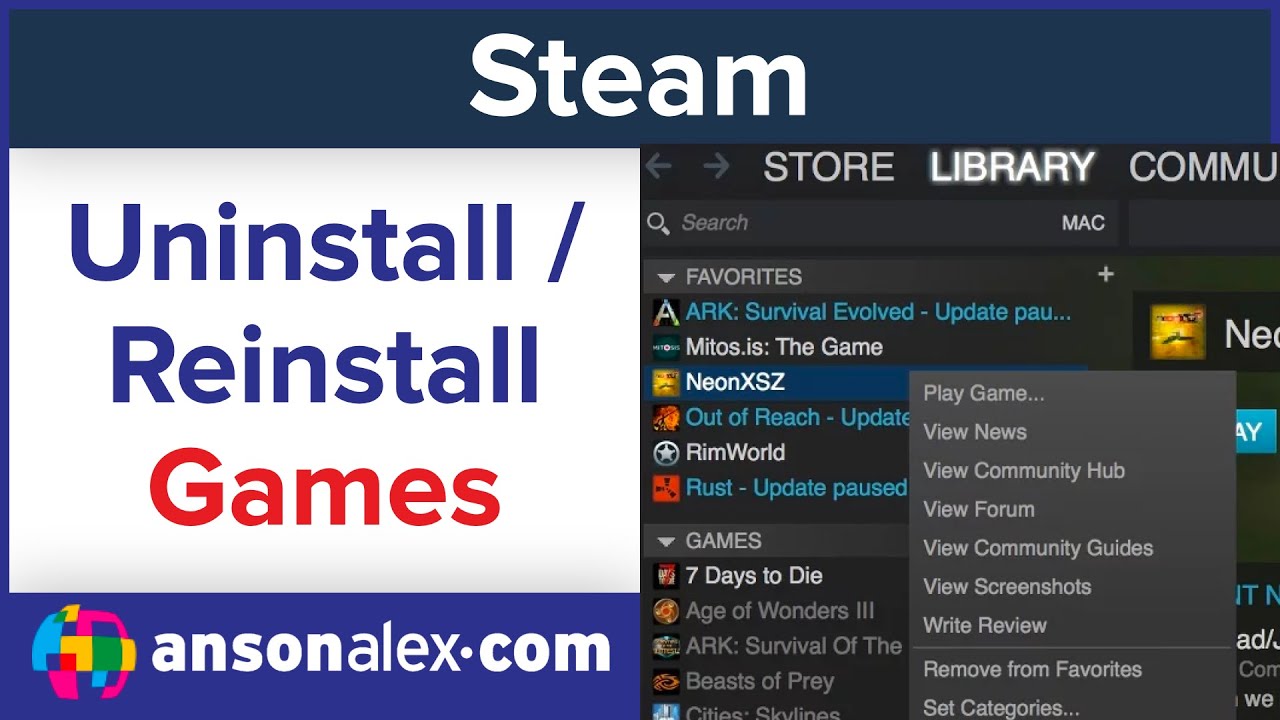
Uninstalling Steam on a Mac is straightforward but has a slightly different approach than Windows. Begin by quitting the Steam application entirely. Then, open your 'Applications' folder, locate the Steam icon, and drag it directly to the Trash. Unlike Windows, this usually removes the main application files. However, to ensure a thorough clean, you should also delete associated support files. These are typically found in your Library folder, specifically in '~/Library/Application Support/Steam' and '~/Library/Caches/com.valvesoftware.steam'. You can access the Library folder by holding down the 'Option' key while clicking 'Go' in the Finder menu bar. Deleting these residual files guarantees a fresh slate for your new installation.
Can I Keep My Game Files When Reinstalling Steam?
Absolutely, you can definitely keep your game files when reinstalling Steam, and it is a smart move for anyone with a large library or slower internet connection. The key is the 'steamapps' folder. Before you uninstall Steam, navigate to your Steam installation directory (usually 'C:Program Files (x86)Steam' on Windows). Cut or copy the entire 'steamapps' folder and paste it into a safe location, like another drive or a new folder on your desktop. This folder contains all your downloaded games. After reinstalling the Steam client, you can then move this 'steamapps' folder back into the new Steam installation directory. This will save you from re-downloading hundreds of gigabytes, letting you jump back into the action faster.
What's the Best Way to Do a Clean Install of Steam?
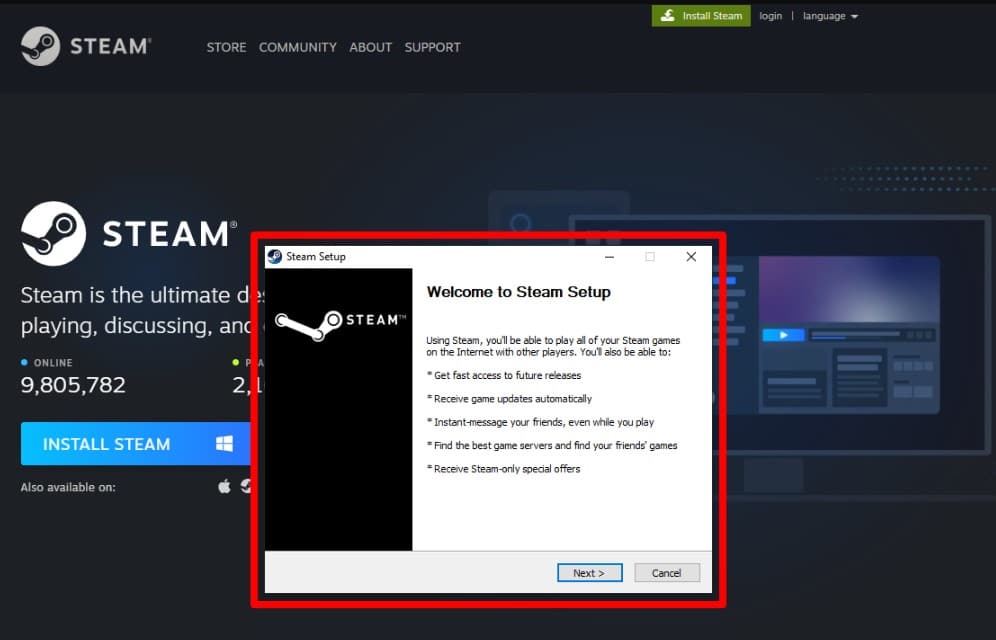
A clean install of Steam is about ensuring no old, potentially problematic files linger. After you have completely uninstalled Steam using your operating system's method and manually deleted any remaining folders (as described above), you are ready for the installation. Download the latest official Steam client installer from the official Steam website (store.steampowered.com/about). Run the installer and follow the on-screen instructions. It is generally best to accept the default installation path unless you have a specific reason to choose another drive. Once installed, log in with your Steam account. This fresh installation will typically resolve many underlying issues, giving you a stable and optimized platform for your gaming adventures, especially useful for those balancing gaming with demanding work schedules.
How Do I Restore My Games and Saves After Reinstallation?
Restoring your games and saves after a fresh Steam installation is straightforward if you followed the backup steps. First, ensure Steam is fully installed and you are logged into your account. If you backed up your 'steamapps' folder, simply copy and paste it back into your new Steam installation directory (e.g., 'C:Program Files (x86)Steam'). Restart Steam. It should now detect your previously installed games. For game saves, paste any backed-up save files or folders into their original locations, typically within 'Documents' or 'AppData' folders specific to each game. Launch your games to confirm your progress and settings are intact. This method significantly cuts down on re-downloading time, a huge win for gamers who prioritize efficient use of their limited gaming hours.
What are Common Issues After Reinstalling Steam and How Do I Fix Them?
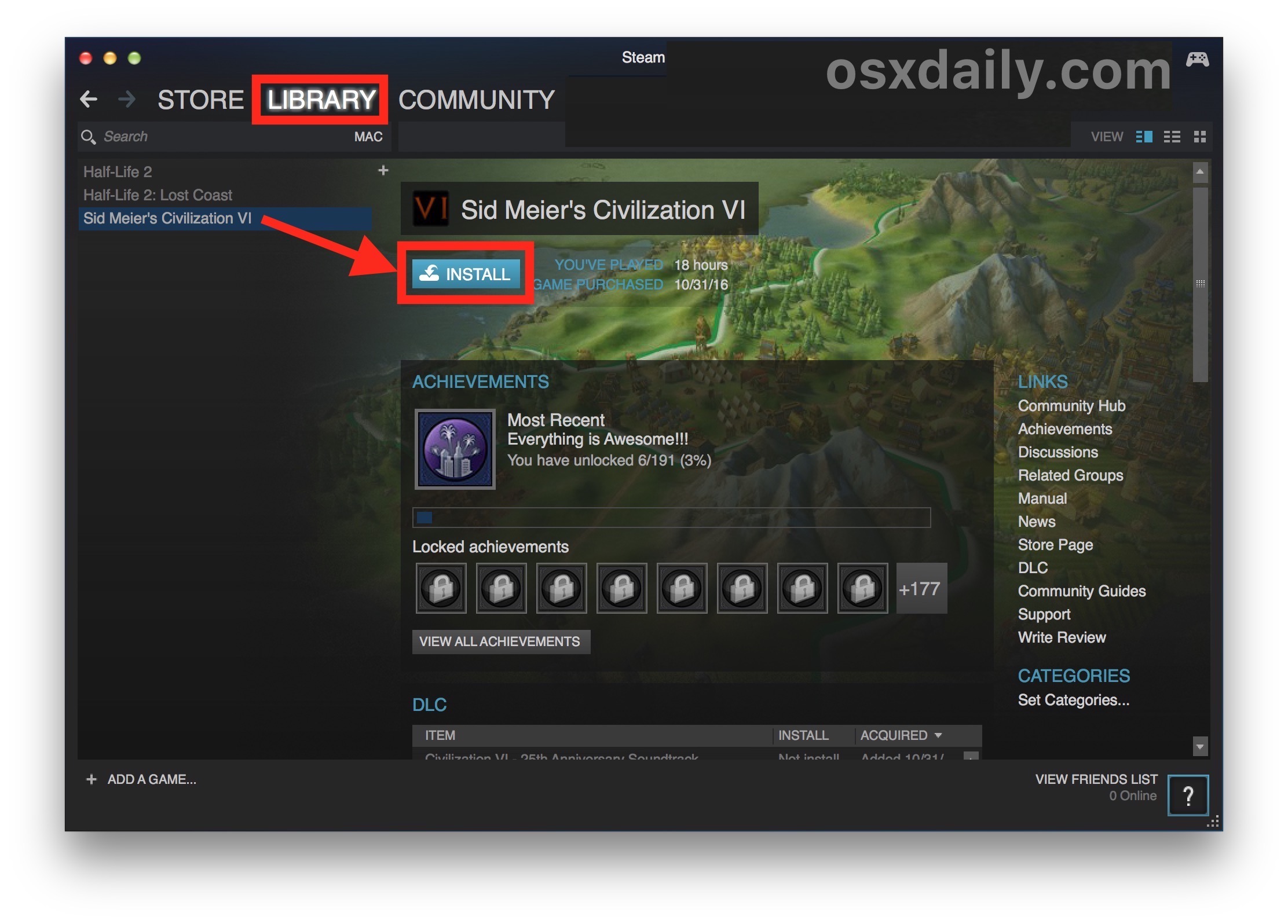
Even with a clean reinstall, a few common hiccups can occur. Sometimes, games might appear uninstalled even after you move the 'steamapps' folder back. To fix this, simply click 'Install' on the game in your Steam library; Steam will 'discover existing files' instead of re-downloading. Another issue can be missing game saves if you forgot to back them up locally. Unfortunately, if they were not cloud-saved, recovery might be impossible. Graphics driver issues or DirectX errors can sometimes appear, especially if your system was already due for an update. Ensure your GPU drivers are updated to the latest version, and try running Steam as an administrator. These quick fixes usually resolve most post-reinstall issues, keeping you in the game.
When is Reinstalling Steam Better Than Troubleshooting?
Deciding between troubleshooting and a full reinstall often comes down to the nature and persistence of the problem. If you are experiencing minor, isolated issues like a single game not launching, a quick verify of game files or a driver update might suffice. However, if you are seeing widespread problems such as Steam repeatedly crashing, consistent download errors across multiple games, or overall sluggish performance that standard fixes like clearing download cache do not resolve, a full reinstall is often the more efficient path. For busy gamers, the time saved by a fresh start, rather than hours of uncertain troubleshooting, makes reinstalling a pragmatic choice. It is a definitive way to eliminate deeply rooted software conflicts or corrupted core files.
Are There Performance Benefits to Reinstalling Steam Periodically?
While not strictly necessary for everyone, a periodic clean reinstall of Steam can offer tangible performance benefits, much like a fresh OS install. Over time, software can accumulate temporary files, fragmented data, and even minor corruptions that slowly degrade performance. A clean reinstall eliminates this digital clutter, ensuring Steam runs optimally, which can translate to faster loading times for the client itself, smoother game launches, and potentially more stable gameplay. For gamers who enjoy competitive titles or simply want their high-end rigs running at peak efficiency, refreshing Steam every year or two could be a valuable maintenance step. This practice aligns with the performance optimization valued by experienced gamers, letting them get the most out of their gaming hardware without budget-breaking upgrades.
After navigating through the process of how to reinstall Steam, from meticulous backups to the final restoration of your game library, you are now equipped to tackle even the most stubborn Steam-related issues. A clean slate for your gaming client means less frustration and more pure, unadulterated fun. This is about optimizing your precious gaming time, making sure your system works for you, not against you. With millions of US gamers relying on platforms like Steam for social interaction and entertainment, ensuring its optimal performance is key to maintaining those online connections and achieving your gaming goals.
What's your biggest gaming challenge after getting Steam back on track? Comment below!
FAQ Section
Is reinstalling Steam safe for my account?
Yes, reinstalling Steam is completely safe for your account. Your account details, game purchases, achievements, and Steam Wallet balance are all stored on Valve's servers, not locally on your PC. When you reinstall the client, you simply log back into your existing account, and everything will be exactly as you left it.
Will reinstalling Steam delete my game progress?
Reinstalling Steam itself does not inherently delete your game progress. Many modern games utilize Steam Cloud for save synchronization, automatically backing up your progress. For games without cloud saves, you must manually back up your local save files before uninstalling Steam to ensure your progress is preserved.
How long does a Steam reinstall take?
The actual reinstallation of the Steam client is very quick, usually taking only a few minutes. The longest part of the process is often re-downloading games. However, if you backed up your 'steamapps' folder, you can restore your entire library without re-downloading most titles, drastically reducing the total time.
Do I need to re-download all my games?
No, you do not necessarily need to re-download all your games. By carefully backing up your 'steamapps' folder before uninstalling Steam, you can simply move that folder back into your new Steam installation directory. Steam will then 'discover' these existing files, saving you significant download time and bandwidth.
Backup Steam saves and game files, proper uninstall process, clean Steam installation, restoring game libraries efficiently, common post-reinstall troubleshooting, performance optimization tips, system stability improvement.
35



Recrent Steam . How To Move Steam Games To Another Drive How To Install Reinstall . Fixed Slow Download Speed On Steam ReInstall Steam 300x200 . 8 Ways To Fix Unable To Load Steam Dll Ricky Spears Download And Reinstall Steam . How To Uninstall And Reinstall Games On Steam 2026 Easy Guide YouTube


Steam March 2026 Client Update Adds Hardware Specs To User Reviews Steam Client Mar 2026 . How To Re Image Steam OS On Steam Deck ReInstall YouTube . How To Uninstall And Reinstall Steam Without Losing Games Apps UK Install Steam Option 768x406 . How To Reinstall Steam OS Factory Reset Steam Deck Fix Issues YouTube . How To Move Steam Games To Another Drive 2026 Without Or


How To Download Install Steam Correctly 2026 PC Mac Guide YouTube . How To Reinstall Steam Games On Mac And Windows Linux Too OS X Daily Howto Reinstall Steam Games . How To Clean Reinstall Games On Steam 2024 Tutorial YouTube . How To Reinstall Steam SUPPORT CENTER. 5 Ways To Install Steam WikiHow Aid4923851 V4 728px Install Steam Step 21


How To Change Method On Steam 2026 STEP BY STEP YouTube . How To Reinstall Steam SUPPORT CENTER. How To Reinstall Steam OS On Steam Deck YouTube . Steam Uninstall Reinstall Games YouTube . How To Uninstall Steam From Your PC Or Mac A Complete Guide How To Download Steam 2



How To Uninstall Steam Backup Your Steam Games If You Reinstall In . How To Restore Steam Download When Download Restarts 2026 Step By Step . How To Return A Game On Steam Complete 2026 Refund Guide Technerdo Image. How To Reset Your PIN On Steam 2026 QUICK FIX YouTube . How To Reinstall Steam Games Download Them Best Tutorial YouTube




How To Fix Steam Video Lagging 2026 YouTube . How To Reinstall Steam Without Losing Games Updated 2025 Step By Step . How To Uninstall Steam Games And Reinstall Them Later Complete 2026 The Best Single Player Games 520x297 . How To Reinstall Steam OS On Steam Deck Follow These Steps Cdl 2026 Season Details 1024x576 . How To Uninstall Steam Games And Reinstall Them Later Complete 2026 Min 2 300x51



How To Update Steam Application To Latest Version 2026 Tutorial YouTube . How To Uninstall And Reinstall Steam Without Losing Games Apps UK Uninstall Steam Option . 5 Ways To Install Steam WikiHow Aid4923851 V4 728px Install Steam Step 46 . How To Reinstall Steam Deck OS Fix Boot Loops Crashes Bugs Fast . How To Uninstall Steam Games And Reinstall Them Later Complete 2026 Frame 82 1.webp